

Summary
22 items · 5-15 minutes
Why a Walk-Around Matters Every Time
Most drivers trust their memory over their eyes. If the car started yesterday without issue, the assumption is that today will be the same. But tires lose pressure overnight, brake lights burn out without warning, and fluid levels drop gradually - often reaching a critical point at the worst possible moment.
A consistent pre-trip inspection takes five to fifteen minutes and addresses the conditions most likely to cause a breakdown or collision. According to the National Highway Traffic Safety Administration (NHTSA), tire-related failures and lighting defects are among the most commonly cited vehicle factors in crashes. Neither requires a mechanic to detect - just a deliberate habit.
This checklist is structured for everyday driving, but if you're heading out on an extended highway journey, also consult our guide to preparing your car for a long road trip, which covers deeper mechanical preparation. For season-specific considerations, see the seasonal car maintenance checklist.
Tire pressure gauge
Measures actual tire PSI so you can compare it against the manufacturer's recommended pressure.
Flashlight or work light
Allows you to inspect tires, undercarriage, and fluid levels in low-light conditions.
Dipstick and clean rag
Used to check engine oil level and assess oil condition.
Fluid top-off supplies
Keep small quantities of engine oil, coolant, and windshield washer fluid in your garage for quick top-offs.
Emergency roadside kit
Provides basic tools and supplies - spare tire, jumper cables, reflective triangles - if a problem occurs away from home.
How to Use This Checklist
Work through the four groups in sequence: exterior walk-around, under the hood, interior controls, then cargo and surroundings. Each group builds on the last. The exterior check catches visible and mechanical problems before you ever open the door; the interior check ensures your controls and safety systems are configured correctly for the drive ahead.
Check Around the Vehicle Before Reversing
Backup cameras and parking sensors do not detect every obstacle, particularly small children or animals that are very close to the bumper. Always physically walk around the vehicle and look before reversing, especially when parked in driveways, parking lots, or any area where children may be present. This simple step can prevent a tragedy no technology can fully eliminate.
Priority labels guide where to spend your attention. Must items are non-negotiable safety checks. Should items are strongly recommended for every trip. Nice-to-have items add an extra layer of preparedness and are especially worth completing before unfamiliar routes or bad-weather drives.
Fluid levels deserve special attention. Many drivers check oil regularly but overlook coolant, brake fluid, and transmission fluid. For a clear explanation of what each fluid does and how often to check it, see car fluids most drivers forget to check.
Exterior Walk-Around
Under the Hood
Interior and Controls
Cargo and Surroundings
Building the Habit
Checklists are most effective when they become automatic. Try anchoring the walk-around to something you already do - unlocking the car, putting on your jacket, or dropping your bag in the back seat. Over time, the sequence becomes reflexive rather than effortful.
Never Ignore Dashboard Warning Lights
An illuminated check engine, brake, or temperature warning light signals a condition that needs professional diagnosis before driving. Continuing to drive with certain active warnings - particularly a brake or oil pressure light - can cause serious mechanical damage or create a safety hazard. Have the vehicle inspected by a qualified mechanic before proceeding.
Underinflated Tires Are a Hidden Danger
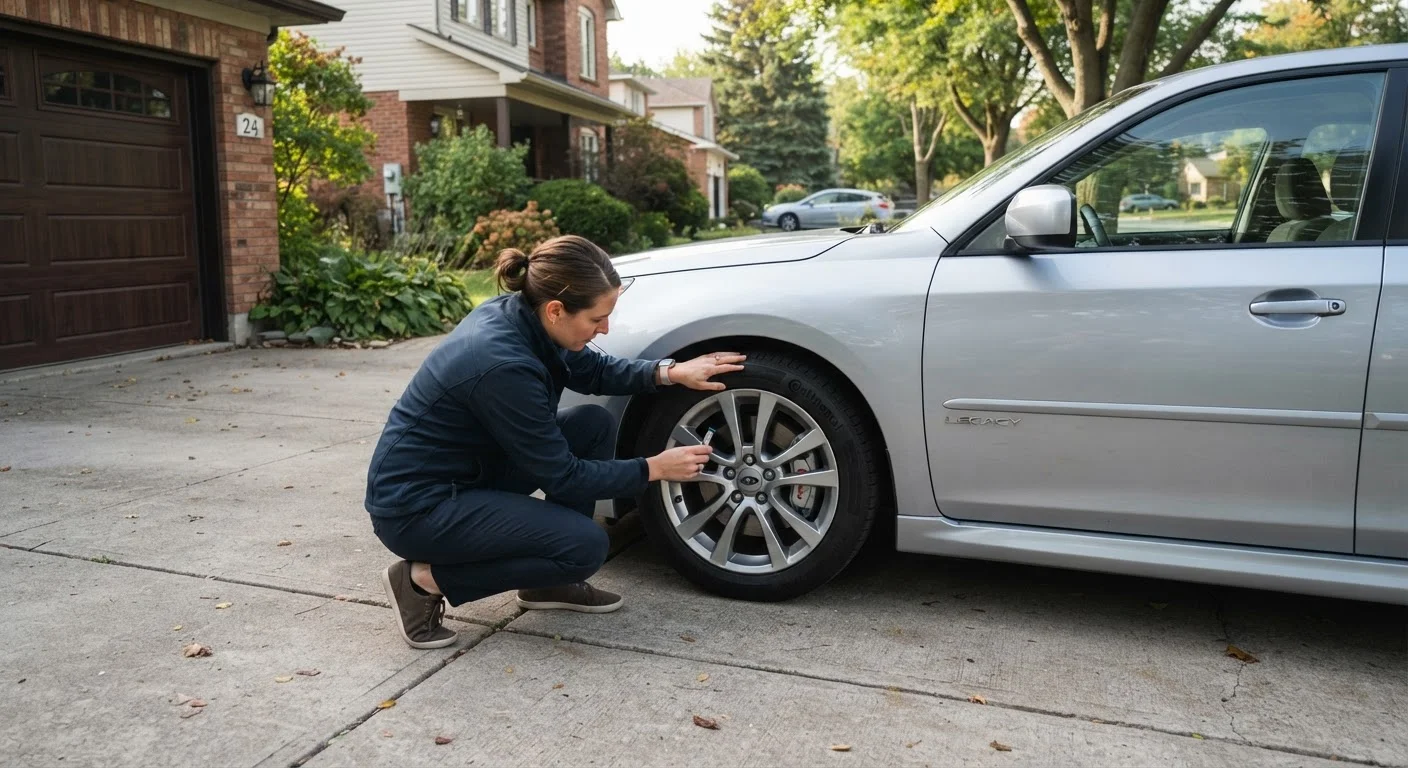
Tires that appear visually normal can still be 10-15 PSI below the recommended pressure, reducing handling precision and increasing blowout risk - particularly at highway speeds. Always use a gauge; visual inspection alone is not sufficient. Tire pressure also drops as temperatures fall, so check more frequently in cold weather.
Mirror and blind spot setup is one area where pre-trip attention pays off during every moment you're on the road. Properly adjusted mirrors significantly reduce the blind zones that contribute to lane-change collisions. If this is an area you'd like to strengthen, our article on merging and lane changes done right covers the correct mirror-check sequence in detail.
No single check makes driving risk-free, but regular pre-trip inspections keep known, preventable problems from contributing to an incident. The Car Maintenance hub has additional resources to help you stay ahead of your vehicle's upkeep across all its systems.
The content on this site is provided for informational purposes only and should not be considered a substitute for professional advice. While we strive to provide accurate and up-to-date information, we make no guarantees regarding its completeness or accuracy. Always consult a qualified professional for advice specific to your circumstances before making any decisions.