

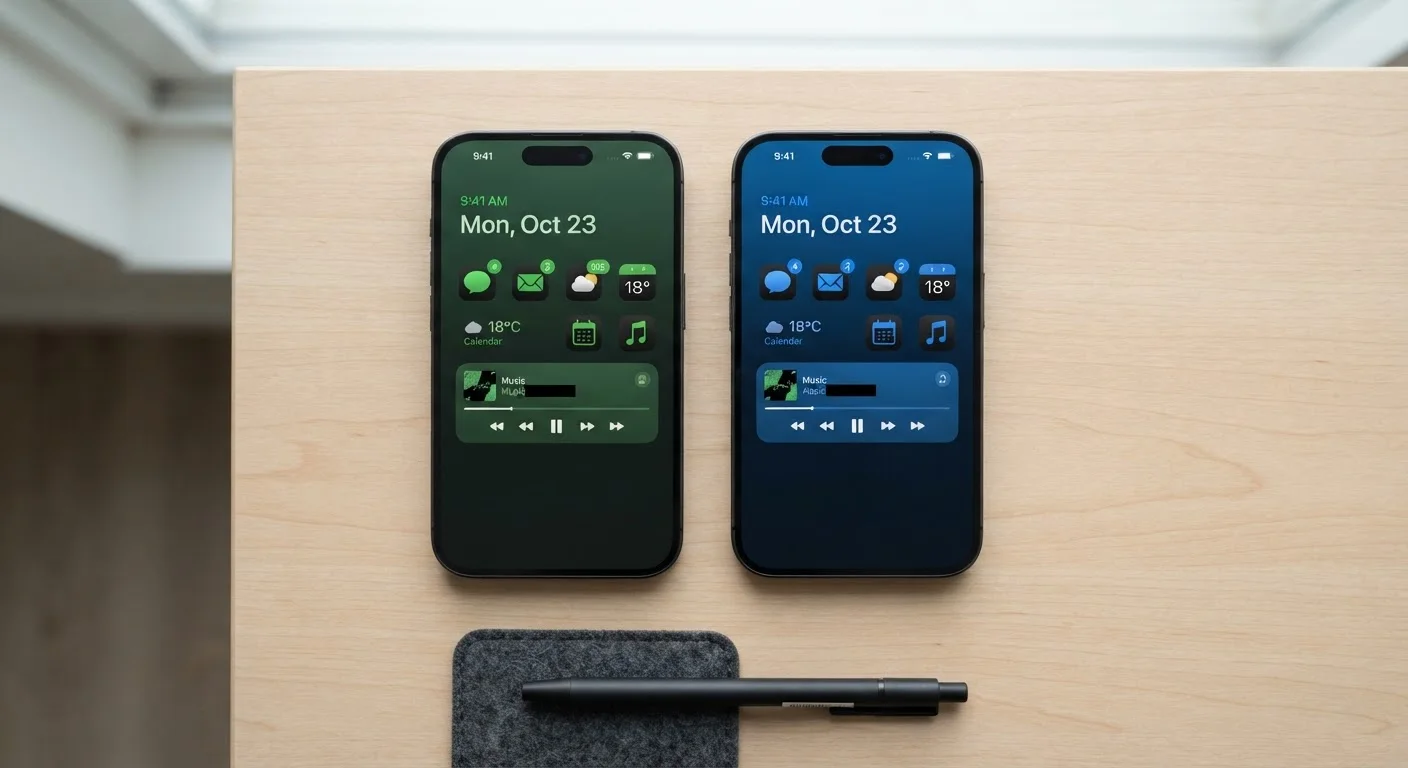
Option A
Android
The open, flexible platform built for variety.
Best for: Readers who want hardware choices, deep customization, and control over their device experience.
Option B
iOS
The tightly integrated system built for consistency.
Best for: Readers who value a streamlined, predictable experience and tight integration with Apple hardware and services.
What Actually Sets These Two Systems Apart
Android and iOS share many surface-level similarities - app stores, cameras, messaging, maps - but underneath, they reflect very different design philosophies. Android, developed by Google, is an open platform licensed to many hardware makers. iOS, developed by Apple, runs exclusively on Apple's own iPhones. That single structural difference drives most of the real-world contrasts between them.
Android's openness means you can buy a device at nearly any price point from dozens of manufacturers, install apps from outside the official app store (a practice called sideloading), and replace default apps like the browser or keyboard with alternatives. iOS keeps those boundaries tighter - you use Apple's App Store, and while third-party apps are plentiful, Apple enforces stricter rules about what they can do and how they behave.
Neither approach is objectively better. One prioritizes flexibility; the other prioritizes consistency. Which one suits you depends largely on what you want from a phone and what other devices you already use.
| Criterion | Android | iOS |
|---|---|---|
| Hardware options | Many manufacturers, wide price range | Apple only |
| Customization | High - default apps, launchers, sideloading | Moderate - more restricted by design |
| Software update consistency | Varies by manufacturer | Simultaneous, multi-year support |
| App store flexibility | Sideloading allowed | App Store only (with limited exceptions) |
| Ecosystem integration | Strong with Google services | Strong with Apple devices and services |
| Privacy transparency | Granular permissions, varies by device | App Tracking Transparency, on-device processing |
| Price entry point | Low - budget devices available | Higher - no budget tier |
Privacy and Security: Similar Goals, Different Methods
Both platforms have invested heavily in privacy in recent years, but they go about it differently. Apple has made privacy a prominent part of its brand, introducing features like App Tracking Transparency - which requires apps to ask permission before tracking your activity across other apps and websites. Apple also processes much of Siri's work on-device rather than in the cloud, limiting how much data leaves your phone.
Android has made significant privacy improvements too, including permission controls that let you grant apps access to location, camera, or microphone only while the app is actively in use. Because Android runs on hardware from many manufacturers, some device makers add their own privacy features or, in some cases, pre-install software you didn't ask for. The experience varies more across devices than it does on iPhone.
If privacy settings interest you, it's worth knowing that both platforms have controls most people never explore. Our guide on privacy settings most people never touch walks through what's available and why it matters.
Both Platforms Collect Data - the Difference is Control
Neither Android nor iOS is entirely free of data collection - both Google and Apple collect some usage and diagnostic information by default. The more meaningful question is how much visibility and control each platform gives you over that collection. Both now offer meaningful opt-out and permission controls, but they're not always turned on by default. Reviewing your privacy settings after setting up any new device is a worthwhile habit.
Software Updates: A Meaningful Difference
One area where the platforms differ in a practical, measurable way is software updates. Apple releases iOS updates simultaneously to all supported iPhones, and devices typically receive major updates for six or more years after release. If you buy an iPhone today, you have a reasonable expectation of knowing how long it will be supported.
Android's update picture is more complicated. Google's own Pixel phones receive timely, guaranteed updates. But because Android runs on hardware from many manufacturers - Samsung, Motorola, OnePlus, and others - update timelines vary significantly. Some Android manufacturers have improved their commitments in recent years, offering four or more years of OS updates, but the ecosystem as a whole is less uniform than iOS.
This matters because software updates aren't just about new features - they include security patches that protect against newly discovered vulnerabilities. For a deeper look at how this works, see our article on how mobile OS updates work and why they stop.
~72%
Global smartphone OS market share held by Android
According to StatCounter's global stats, Android consistently holds the majority of worldwide smartphone usage, with iOS dominant in North America.
6+ years
Typical iOS software support window per device
Apple has supported iPhones with major iOS updates for six or more years in recent release cycles, giving users a longer active security window.
Switching Platforms: What to Expect
Many people stick with the platform they started on, partly out of habit and partly because switching involves real friction. If you move from iPhone to Android, your iMessage conversations don't automatically transfer, and some Apple-exclusive features like AirDrop and Facetime won't follow you. Going the other direction, you may find that some Android apps you rely on have different iOS versions - occasionally with fewer features.
Contacts, photos, and calendar data are generally portable, and both platforms have migration tools to help. But apps, in-app purchases, and app-specific data don't transfer between ecosystems - you may need to repurchase apps or start fresh. If you're planning a switch, our walkthrough on switching phones without losing your data covers what transfers cleanly and what doesn't.
The bottom line: Android and iOS are both capable, mature platforms. Your choice is more likely to be shaped by the devices you already own, the services you use daily, and how much you value flexibility versus predictability - not by any single feature either platform offers.
The content on this site is provided for informational purposes only and should not be considered a substitute for professional advice. While we strive to provide accurate and up-to-date information, we make no guarantees regarding its completeness or accuracy. Always consult a qualified professional for advice specific to your circumstances before making any decisions.