

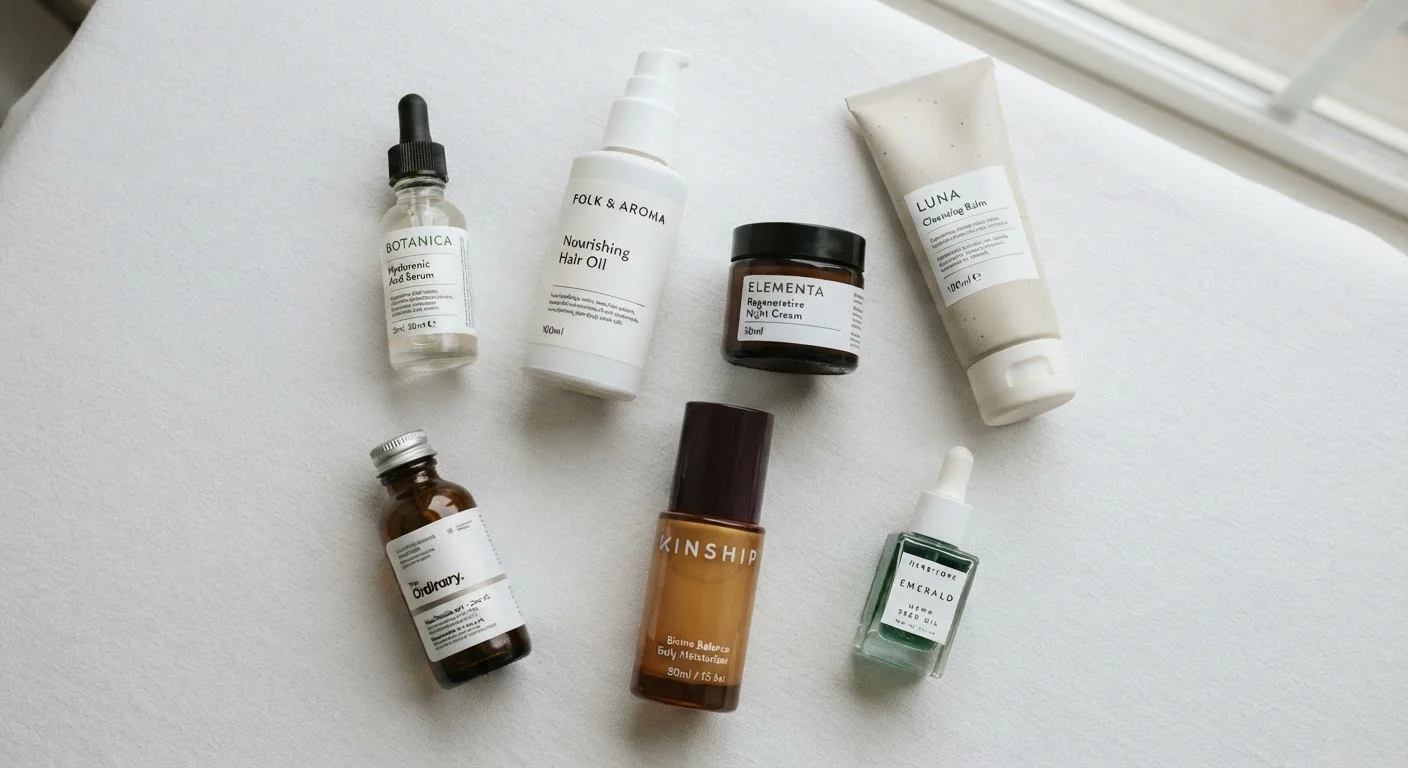
Why Fragrance Is a Leading Trigger for Skin Reactions
Fragrance is consistently ranked among the most common causes of allergic contact dermatitis in the general population. Dermatologists routinely identify it as a top sensitizer - meaning repeated exposure can cause the immune system to develop a reaction over time. You may use a scented product for months or years before a sensitivity develops, which makes fragrance a particularly easy culprit to overlook.
Two distinct mechanisms are at work. Irritant contact dermatitis is a direct, non-immune response - the skin barrier is disrupted by chemical compounds in the fragrance, causing inflammation without a true allergic reaction. Allergic contact dermatitis involves an immune response: once sensitized, even trace exposure to the offending compound can trigger a reaction. Both can look similar on the skin - redness, itching, swelling, or a rash - but they differ in how they develop and how they're managed.
~1 in 10
People who patch test positive for fragrance allergy
Research published in contact dermatology literature suggests fragrance allergy affects roughly 1-11% of the general population depending on the compounds tested.
26
Fragrance allergens requiring individual EU label disclosure
The European Union mandates that 26 specific fragrance allergens be listed individually on cosmetic labels when present above threshold concentrations - a requirement that does not currently apply in the U.S.
Top 5
Ranking of fragrance among contact allergens
Fragrance consistently appears among the top five allergens identified through patch testing in dermatology clinics across North America and Europe.
How to Read Labels for Hidden Fragrance
The biggest challenge for fragrance-sensitive consumers is that U.S. labeling rules allow manufacturers to list the entire fragrance complex under a single term: fragrance or parfum. This single word may represent dozens of individual chemical ingredients, some of which are well-documented allergens.
Knowing what to look for beyond those umbrella terms helps. Specific fragrance-related chemicals may appear individually on ingredient lists, including linalool, limonene, eugenol, cinnamal, and benzyl alcohol. These are more commonly disclosed on products formulated for European markets, where regulations require individual listing of 26 known fragrance allergens.
For a broader understanding of how ingredient lists work - and what their ordering tells you - see our guide to reading skincare labels.
Look Beyond 'Fragrance-Free' Marketing
Products marketed as 'clean,' 'natural,' or 'botanical' are not automatically fragrance-free. Check the ingredient list directly for terms like parfum, fragrance, essential oils, or specific sensitizing chemicals. Marketing language on the front of a package is not regulated the same way ingredient lists are.
What Reactions Look Like - and When They Appear
Fragrance reactions don't always announce themselves immediately. Irritant reactions tend to appear quickly - within minutes to an hour of exposure - and are most common on skin that is already compromised by dryness or over-exfoliation. Allergic reactions, by contrast, follow a delayed pattern: they typically emerge 24 to 72 hours after contact, which makes connecting the reaction to a specific product genuinely difficult.
Reactions in hair care products add another layer of complexity. Shampoos, conditioners, and scalp treatments are rinsed off, but brief contact is enough to trigger sensitivity in reactive individuals. Symptoms on the scalp - itching, flaking, and irritation - are frequently misattributed to dandruff or other scalp conditions. Our article on what your scalp is actually telling you covers how to distinguish between these presentations.
Reactions may also appear away from the initial application site. Fragrance compounds can migrate - a rinse-off product applied to the hairline may irritate the face, ears, or neck.
Confirming Sensitivity and Moving Forward
If you suspect fragrance is driving your skin or scalp symptoms, the most reliable first step is a structured product elimination: switch to products labeled fragrance-free (not merely unscented) and observe whether symptoms resolve over two to four weeks. This doesn't confirm a fragrance allergy, but it does help establish a cause-and-effect pattern.
For a definitive diagnosis, a board-certified dermatologist can perform patch testing - the clinical standard for identifying contact allergens. This involves applying a panel of common fragrance compounds to the skin and evaluating responses after 48 and 96 hours. Results help distinguish between specific sensitizers and guide product selection going forward.
Before introducing any new personal care product during this process, a systematic approach is essential. Our patch test and introduction checklist outlines how to evaluate new products without complicating your skin's response.
A person switches to a new moisturizer marketed as 'natural' and develops redness and itching around the cheeks and jawline within two days.
Someone with no prior skin sensitivity starts a new shampoo routine and notices their scalp becoming persistently itchy and flaky over several weeks.
A person buys a lotion labeled 'unscented' expecting it to be safe for sensitive skin, but notices a mild burning sensation after each use.
This article is for general informational purposes only and does not constitute medical advice. If you are experiencing persistent or severe skin reactions, consult a board-certified dermatologist for a proper evaluation.
Frequently Asked Questions
Symptoms typically include redness, itching, stinging, or a rash at the area where the product was applied. Some people experience dryness or flaking rather than obvious inflammation. In allergic contact dermatitis, symptoms may appear 24-72 hours after exposure rather than immediately.
No - these terms are not interchangeable. Unscented products may still contain masking fragrances that neutralize odor without adding a perceptible scent. Fragrance-free means no fragrance compounds were intentionally added, making it the safer choice for sensitive skin.
Yes. Natural fragrance ingredients, including essential oils like lavender, citrus, and tea tree, contain bioactive compounds that are well-documented sensitizers. 'Natural' does not mean hypoallergenic or reaction-free.
A dermatologist can perform patch testing, in which small amounts of fragrance compounds are applied to the skin under controlled conditions. This identifies specific sensitizers and distinguishes allergic contact dermatitis from irritant reactions.
Yes. Scalp itching, flaking, and inflammation can all be triggered by fragrance compounds in shampoos, conditioners, and styling products. These symptoms are sometimes mistaken for dandruff or seborrheic dermatitis.
Common label terms include 'fragrance,' 'parfum,' 'aroma,' and specific ingredient names like linalool, limonene, eugenol, and cinnamal. These individual chemical names indicate fragrance-derived compounds that must be disclosed under EU cosmetic regulations, though U.S. rules are less specific.
The content on this site is provided for informational purposes only and should not be considered a substitute for professional advice. While we strive to provide accurate and up-to-date information, we make no guarantees regarding its completeness or accuracy. Always consult a qualified professional for advice specific to your circumstances before making any decisions.