

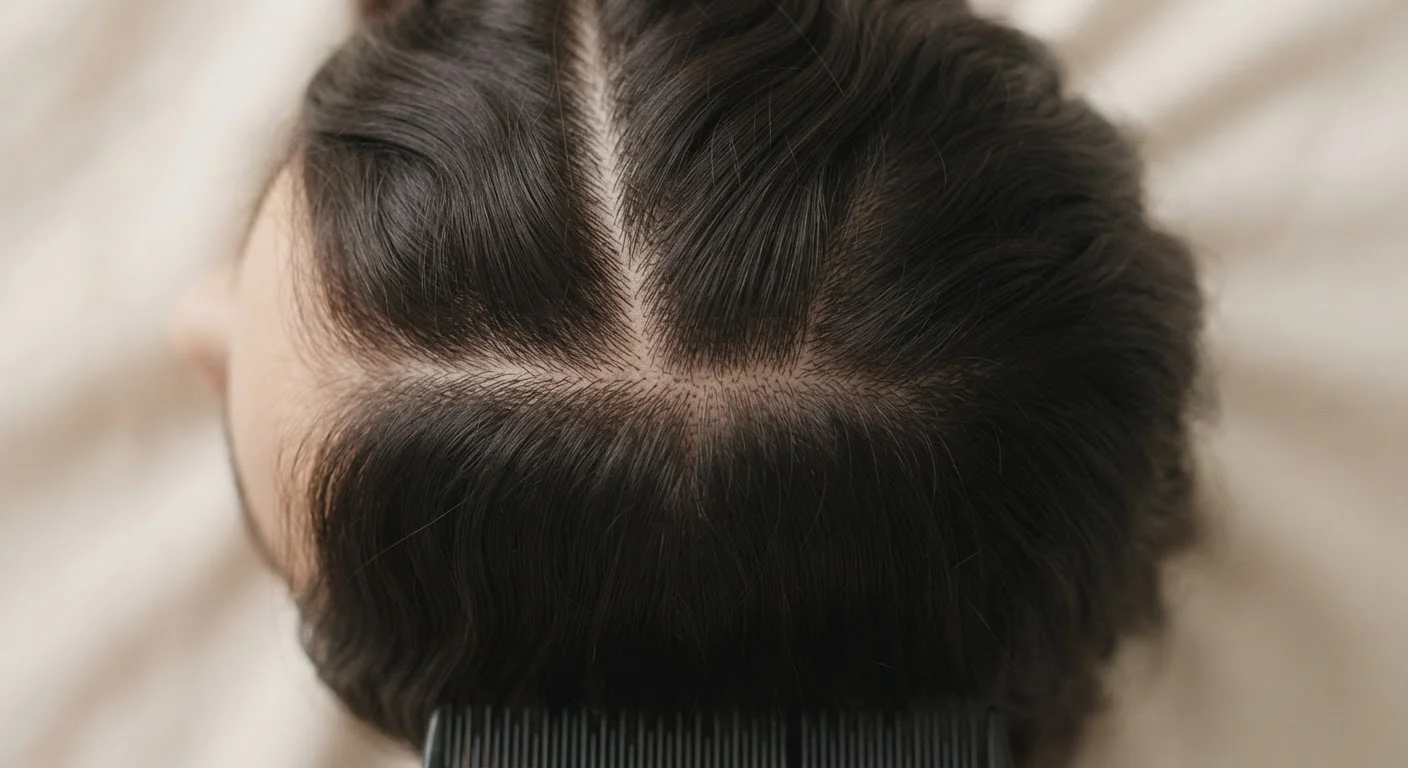
The Scalp Is Skin - and It Shows
Most hair care conversations focus on the strand itself - shine, frizz, damage. But the scalp is where everything actually starts. It is living skin, dense with follicles, sebaceous glands, and a microbial ecosystem that influences both scalp condition and hair growth. When something is off, the scalp signals it in recognizable ways: flaking, itching, excess oil, tenderness, or redness.
Understanding what those signals mean - rather than reaching for the nearest marketed solution - is the more useful starting point. As with identifying skin types accurately, accurate interpretation matters before any care decision is made.
~50%
Adults affected by dandruff at some point
Dandruff is one of the most common scalp conditions globally, affecting roughly half of the adult population at some point, according to dermatological literature.
3-4%
Adults with scalp psoriasis
Scalp psoriasis affects an estimated 3 to 4 percent of the general population and is frequently mistaken for severe dandruff, per published dermatology research.
~100
Hairs shed daily on average
Shedding up to 100 hairs per day is considered within the normal range for most adults, according to the American Academy of Dermatology.
What Flaking Actually Means
Flaking is the symptom most people associate with a troubled scalp, but it is not a single condition. Three distinct causes produce visible flakes, and they respond differently to treatment.
- Dry scalp produces small, fine, dry flakes that fall freely. It typically results from low moisture levels - whether from cold weather, low humidity, or over-washing with harsh surfactants. The scalp may also feel tight or itchy.
- Dandruff (seborrheic dermatitis, mild form) involves larger, often greasy flakes that may cling to the hair shaft. It is linked to an overgrowth of a naturally occurring yeast called Malassezia, which thrives on sebum and can trigger an inflammatory response in susceptible people.
- Scalp psoriasis produces thick, silvery-white scales, often with clearly defined edges and underlying redness. Unlike dandruff, it is an autoimmune condition and typically requires medical management.
Using an anti-dandruff shampoo for a dry scalp - or a moisturizing treatment for seborrheic dermatitis - can worsen rather than improve symptoms. If standard approaches aren't resolving the problem within a few weeks, a dermatologist evaluation is appropriate.
Oiliness, Itching, and Other Common Signals
An excessively oily scalp is driven by overactive sebaceous glands. Hormonal fluctuations - particularly androgens - are a primary driver, which is why oiliness often changes during puberty, menstrual cycles, or periods of hormonal disruption. Stress also increases cortisol levels, which can stimulate sebum production.
Washing frequency plays a role, but not always in the way people expect. How often you wash your hair can affect the scalp's oil balance, and over-stripping the scalp may actually prompt a rebound increase in oil production in some individuals.
Itching without visible flaking may point to contact dermatitis - a reaction to a specific ingredient in a shampoo, conditioner, or styling product. Fragrance, certain preservatives, and cocamidopropyl betaine are common culprits. An elimination approach - removing products one at a time - can help identify the trigger. For help evaluating what's actually in your products, reading ingredient labels carefully is a useful skill.
Try a Patch Test Before Switching Products
If you suspect a product is irritating your scalp, apply a small amount to the inside of your elbow for 48 hours before using it on your scalp. This simple step can reveal contact sensitivity before it causes widespread irritation. It is especially useful when introducing new shampoos, conditioners, or scalp treatments.
When Scalp Changes Signal Something Systemic
The scalp does not exist in isolation. Significant hair shedding alongside scalp changes may point to telogen effluvium - a disruption in the hair growth cycle triggered by physical stress, illness, nutritional deficiency, or hormonal change. This is distinct from pattern hair loss and is often temporary. Understanding the difference matters: hair breakage and hair loss are not the same thing, and identifying which is occurring guides the right response.
Nutritional gaps - particularly in iron, zinc, and B vitamins - have been associated with scalp and hair changes in clinical research, though the relationship is complex and individual. If scalp symptoms persist despite consistent care, or if hair thinning accompanies them, a healthcare provider can assess whether bloodwork is warranted.
A person notices small, dry white flakes after switching to a new shampoo formulated with strong sulfate surfactants during winter.
Someone experiences persistent oily, yellowish flaking despite washing their hair frequently, along with mild redness at the hairline.
A person develops intense scalp itching with no visible flaking after adding a new styling product to their routine.
This article is for general informational purposes only and does not constitute medical advice. Always consult a qualified healthcare professional for personal health concerns or before changing any care routine.
Frequently Asked Questions
White flakes most commonly indicate either a dry scalp or dandruff. Dry scalp flakes tend to be smaller and fall easily, while dandruff flakes are often larger, oilier, and may stick to hair. Seborrheic dermatitis - a more persistent inflammatory condition - can also cause flaking with redness. A dermatologist can help distinguish between these if over-the-counter options aren't helping.
Washing frequency affects scalp oil balance, but the impact varies by person. Over-washing can strip the scalp's natural oils, triggering compensatory sebum overproduction in some individuals. Under-washing allows product buildup and dead skin accumulation. Finding the right frequency depends on your scalp type and lifestyle - there is no universal rule.
Not at all. Itching can stem from dry skin, contact dermatitis triggered by a product ingredient, psoriasis, or even scalp tension from tight hairstyles. Dandruff is one common cause, but it should not be assumed without other indicators like flaking or oiliness. If itching is persistent or comes with pain or hair loss, see a dermatologist.
You should consult a dermatologist if symptoms persist after several weeks of appropriate at-home care, if you notice significant hair thinning alongside scalp changes, or if you experience open sores, severe redness, or spreading rash. Early evaluation leads to better outcomes and rules out conditions that require prescription treatment.
Research suggests that nutritional factors - particularly deficiencies in zinc, iron, and B vitamins - may influence scalp and hair health. Inflammation-promoting diets high in refined sugars have also been associated with worsening seborrheic dermatitis in some studies. However, diet is one variable among many, and no single food is a proven remedy or cause.
Yes, stress is a well-documented trigger for several scalp conditions, including seborrheic dermatitis flare-ups and hair shedding known as telogen effluvium. Stress hormones like cortisol can influence sebum production and immune responses in the skin. Managing stress is often mentioned as a supportive measure alongside topical treatments.
The content on this site is provided for informational purposes only and should not be considered a substitute for professional advice. While we strive to provide accurate and up-to-date information, we make no guarantees regarding its completeness or accuracy. Always consult a qualified professional for advice specific to your circumstances before making any decisions.