

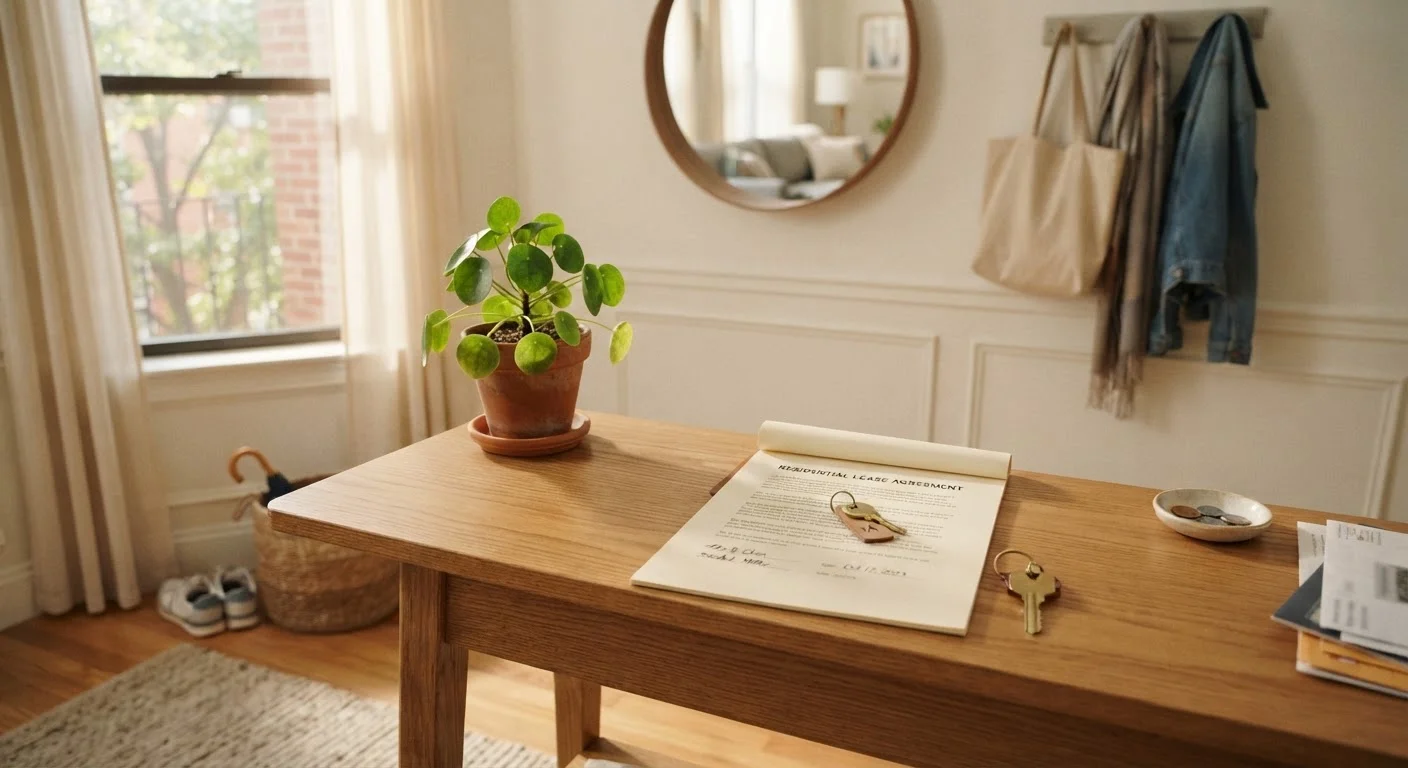
How Security Deposits Work
When you sign a lease, a landlord typically requires a security deposit paid upfront - separate from your first month's rent. This amount is held in trust for the duration of your tenancy. Some states require landlords to keep it in a dedicated bank account and, in certain jurisdictions, to pay interest on the funds while they hold them.
The deposit isn't income for your landlord. It belongs to you until there's a legitimate reason to deduct from it. At move-out, the landlord has a legally defined window - typically 14 to 30 days depending on the state - to either return the full amount or send you an itemized list of deductions along with any remaining balance.
Understanding these mechanics from day one puts you in a much stronger position. If a landlord skips required steps - like failing to provide a written accounting of deductions - they may lose the right to keep any of the deposit, regardless of the unit's condition.
Pet Deposits and Fees: A Separate Layer
If you have a pet, your landlord may charge a pet deposit or non-refundable pet fee in addition to the standard security deposit. These are governed by state law and sometimes subject to their own caps. See what pet deposit policies actually mean for renters for a fuller breakdown of how these charges work.
What Landlords Can and Cannot Deduct
The central tension in almost every deposit dispute is the line between damage and normal wear and tear. Landlords are entitled to recover costs for genuine damage, but they cannot charge tenants for the ordinary aging that comes with any lived-in space.
Deductible items typically include:
- Holes in walls beyond standard picture-hanging nails
- Stains on carpet, flooring, or countertops caused by negligence or accidents
- Broken fixtures, blinds, or doors attributable to misuse
- Excessive cleaning costs when the unit is left in substantially worse condition than received
- Unpaid rent or utility obligations specified in the lease
Generally not deductible:
- Faded paint or minor scuffs from ordinary use
- Carpet wear consistent with the tenancy length
- Small nail holes from hanging pictures
- Worn caulking or grout in bathrooms
For more detail on where these lines are drawn, see what counts as normal wear and tear and how to dispute unlawful deductions.
Send Your Move-Out Notice in Writing
Always provide written notice of your move-out date as required by your lease, and keep a copy. This establishes your official vacate date - which is the starting point for your landlord's deposit return deadline. Verbal notice is difficult to prove and can complicate deposit disputes.
How to Protect Your Deposit from Move-In to Move-Out
Your best protection is documentation - created before you unpack a single box. A thorough move-in walkthrough, with timestamped photos and video of every room, creates a baseline record that's difficult to dispute later. Note pre-existing scuffs, stains, or damage on a written move-in checklist, and ask your landlord to co-sign it. Keep a copy for yourself.
Our room-by-room rental inspection guide walks through exactly what to look for before you sign - and how to document it properly.
At move-out, repeat the process. Clean the unit thoroughly, repair minor issues you caused, and photograph everything in the same sequence as your move-in photos. Review how to leave a rental the right way to avoid common mistakes that cost tenants their deposits.
14-30 days
Typical state deadline to return a security deposit
Most state landlord-tenant statutes require landlords to return deposits or provide itemized deductions within this window after move-out.
2x-3x
Penalty multiplier for wrongful withholding in many states
A number of states allow tenants to sue for double or triple the unlawfully withheld deposit amount, plus attorney's fees, as a deterrent against bad-faith landlords.
1-2 months
Common statutory cap on deposit amount
Many states limit what landlords can collect upfront to one or two months' rent, though caps and rules vary by jurisdiction.
If Your Landlord Withholds Your Deposit Unfairly
If you believe deductions are unjustified, start by responding in writing. Request a detailed explanation for each item. Many disputes are resolved at this stage when landlords realize the tenant is informed and documented. Keep all communication in writing - email creates a clear, dated record.
If informal resolution fails, your options include filing a complaint with your state's consumer protection or housing agency, pursuing the matter in small claims court, or contacting a local tenant rights organization for guidance. Many states allow tenants to recover double or triple the wrongfully withheld amount, plus court costs, making legal action worthwhile for larger disputes.
State-specific rules on deposit protections - including how landlords must hold funds and what disclosures they're required to make - are covered in security deposit rules landlords don't always advertise.
This article is for general informational purposes only and does not constitute legal advice. Landlord-tenant laws vary significantly by state. Consult a qualified attorney or local tenant rights organization for guidance specific to your situation.
Frequently Asked Questions
Landlords can generally deduct for damage you caused beyond normal wear and tear, unpaid rent, cleaning costs if the unit is left significantly dirtier than when you moved in, and lease violations specified in the agreement. They cannot deduct for routine aging, minor scuffs, or carpet wear from ordinary use.
The deadline varies by state - commonly between 14 and 30 days after you vacate and return keys. Many states require an itemized written statement of any deductions. Check your specific state's landlord-tenant statutes for the exact timeframe.
Normal wear and tear refers to the gradual, inevitable deterioration of a unit from ordinary use - faded paint, small nail holes from hanging pictures, or lightly worn carpet. Damage from neglect, accidents, or abuse (large holes in walls, pet stains, broken fixtures) typically falls outside this definition.
Many states cap security deposits at one or two months' rent, though limits vary. Some states impose no statutory cap at all. Review your state's landlord-tenant law or consult a local tenant rights organization for the applicable limit in your area.
In most states, failing to return the deposit or provide an itemized statement within the required timeframe can forfeit the landlord's right to any deductions. Many states also allow tenants to sue for double or triple the withheld amount plus attorney's fees.
Landlords often charge a separate pet deposit or pet fee in addition to the standard security deposit, though some states restrict how much can be collected in total. Note that service animals are not pets under fair housing law, and landlords generally cannot charge pet deposits for them.
The content on this site is provided for informational purposes only and should not be considered a substitute for professional advice. While we strive to provide accurate and up-to-date information, we make no guarantees regarding its completeness or accuracy. Always consult a qualified professional for advice specific to your circumstances before making any decisions.