

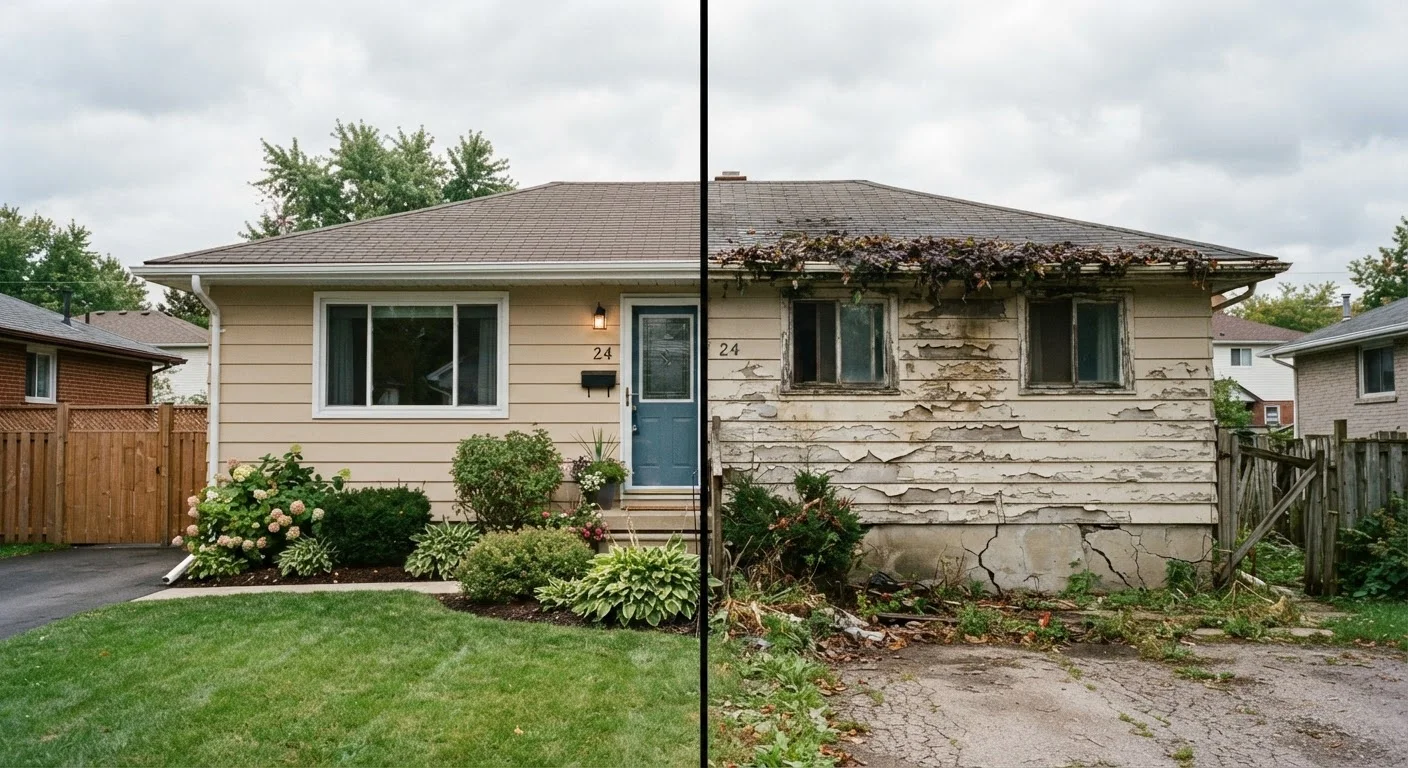
The Compounding Cost of Putting Off Repairs
Homeownership comes with a fundamental economic reality: maintenance deferred is rarely maintenance avoided. It is maintenance made more expensive. A minor issue left unaddressed doesn't simply wait - it typically worsens, and as it does, it often creates secondary damage that multiplies the original repair cost.
The reasoning behind delay is understandable. Budgets are stretched, the problem seems manageable, and other priorities crowd the calendar. But most home systems are interconnected. A compromised roof allows water in; that water damages insulation, then framing, then drywall. What began as a modest flashing issue becomes a cascading structural repair.
1-2%
Recommended annual maintenance budget
Many housing economists and financial planners suggest setting aside 1-2% of a home's purchase price each year for routine upkeep and repairs.
3-5x
Cost multiplier for neglected repairs
Contractors and home inspectors commonly report that deferred repairs frequently cost three to five times more to fix once secondary damage has set in.
35%
Of homeowner insurance claims involve water damage
According to industry data from the Insurance Information Institute, water damage and freezing represent a significant share of homeowner insurance claims - much of it preventable through routine maintenance.
Understanding the patterns that lead to deferred maintenance - and the specific mistakes that carry the heaviest price tags - is one of the most practical things any homeowner can do to protect their investment. For a structured approach to staying ahead of these issues, see our seasonal maintenance guide.
Common Deferred Maintenance Mistakes and How to Avoid Them
The following mistakes appear repeatedly in home inspection reports and contractor assessments. Each one reflects a predictable lapse in judgment - not negligence, but the ordinary human tendency to prioritize visible and immediate problems over latent ones. Recognizing them is the first step toward breaking the pattern.
Ignoring early signs of roof wear, such as missing shingles or granule loss in gutters.
Why it happens: Roof problems are out of sight and easy to rationalize as cosmetic or minor, especially when no active leak is visible indoors.
Allowing gutters and downspouts to remain clogged season after season.
Why it happens: Gutter cleaning feels tedious and the consequences aren't immediately visible, so it gets pushed to next weekend indefinitely.
Skipping HVAC filter changes and annual system servicing.
Why it happens: Filter changes feel trivial, and HVAC systems appear to work fine even when strained, masking declining efficiency and component wear.
Leaving caulking and weatherstripping to deteriorate around windows and doors.
Why it happens: Cracked caulk doesn't look urgent, and the connection between a degraded seal and rising energy costs or moisture damage isn't intuitive.
Deferring plumbing drip repairs - faucets, supply lines, or slow toilet leaks.
Why it happens: A slow drip seems harmless and the repair inconvenient; homeowners often underestimate cumulative water waste and cabinet or subfloor damage risk.
Moisture Damage Moves Faster Than You Think
A small roof leak, a slow plumbing drip, or a poorly sealed window can introduce moisture that fosters mold growth within 24-48 hours under the right conditions. What begins as a $200 flashing repair can escalate into a $10,000 remediation project if ignored through a single wet season. Never dismiss visible water stains as cosmetic.
If you're unsure which items in your home are most at risk, regular home inspections can surface problems that aren't yet visible - catching them before costs compound. First-time buyers especially benefit from guidance on what to anticipate; our companion piece on what new homeowners wish they'd known covers the surprises that catch people off guard most often.
Building Habits That Protect Your Home's Value
The antidote to deferred maintenance isn't a large lump-sum repair fund - it's consistent attention. Many high-cost repairs are the direct result of skipping inexpensive annual tasks, not of bad luck. A maintenance log, whether a simple notebook or a digital app, helps homeowners track what was done, what was observed, and what needs follow-up. This record also proves useful during resale, providing buyers and inspectors with evidence of diligent stewardship.
Deferred Maintenance Can Affect Resale Value
Buyers and their inspectors scrutinize maintenance history closely. A pattern of neglect - visible or documented - can suppress offers, trigger repair credits, or cause deals to fall through entirely. Staying current on maintenance protects both your home's livability and its market value.
It's also worth examining the assumptions that justify skipping maintenance. Common maintenance myths - like the belief that a system working today doesn't need service - consistently lead owners into expensive reactive repairs instead of affordable preventive ones.
Protecting a home means treating it as the long-term asset it is. The costs of consistent upkeep are predictable and manageable. The costs of neglect are neither.
This article is for informational purposes only and does not constitute financial, legal, or professional home inspection advice. Consult a licensed contractor or qualified home inspector for assessments specific to your property.
The content on this site is provided for informational purposes only and should not be considered a substitute for professional advice. While we strive to provide accurate and up-to-date information, we make no guarantees regarding its completeness or accuracy. Always consult a qualified professional for advice specific to your circumstances before making any decisions.