

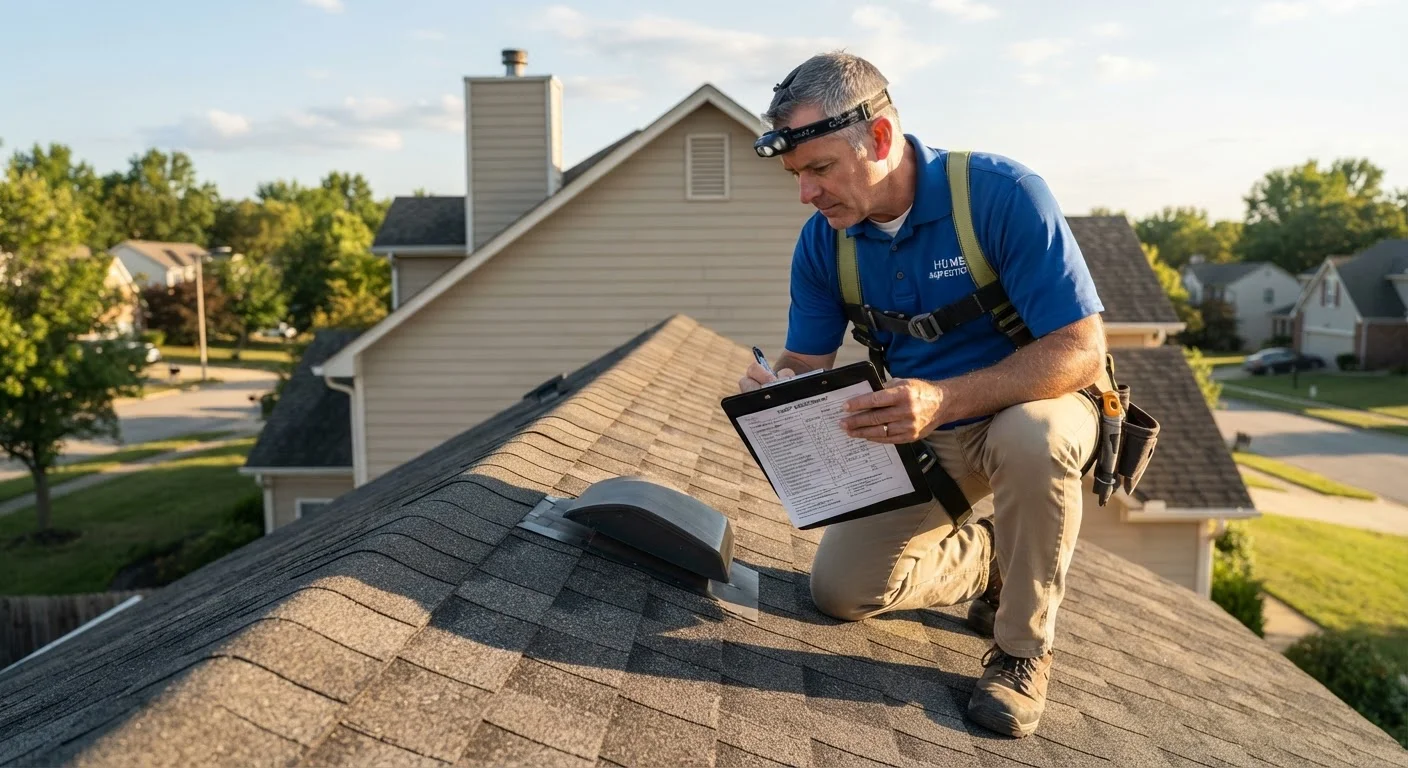
Why Inspections Don't End at the Closing Table
For most buyers, a home inspection feels like a milestone - something you do once, review carefully, and then file away. But a property is a dynamic physical system, not a static asset. Materials age at different rates, climate stresses accumulate, and small vulnerabilities compound into structural or mechanical failures over time.
The logic behind annual inspections mirrors the logic behind routine maintenance in any complex system: scheduled, proactive review catches deterioration while intervention is still low-cost and low-disruption. Skipping those reviews doesn't eliminate the risks - it just moves the discovery point later, when damage is typically more extensive.
Myth
A pre-purchase inspection is a one-time task - once it's done, you're covered for as long as you own the home.
Fact
A pre-purchase inspection reflects conditions on a single day; homes deteriorate, settle, and face new stresses every season.
Think of a pre-purchase inspection the way you'd think of a medical physical - useful at the time, but not a permanent certificate of health. Roofs age, caulk shrinks, drainage patterns shift after landscaping changes, and pests find new entry points. Home inspections also have real limits: they're visual, non-invasive, and time-bound. A lot can change in a year, let alone five.
Myth
If nothing looks wrong inside the house, there's nothing to inspect.
Fact
Many of the most expensive home failures - moisture intrusion, slow foundation movement, pest damage - are invisible from finished interior surfaces.
Termites consume wood framing from the inside out. Roof deck rot can be well underway before a ceiling stain appears. Crawl space moisture may quietly promote mold growth for a full season before any odor reaches living areas. Regular inspections focus specifically on attics, crawl spaces, mechanical systems, and exterior envelope - areas most homeowners rarely visit. Catching these problems early is almost always far less disruptive and expensive than addressing them after they've progressed. See also: why deferred maintenance multiplies costs.
Myth
Annual inspections are only useful for older homes - new construction doesn't need them.
Fact
New homes experience their own category of early-life issues, including settlement cracks, grading problems, and HVAC commissioning deficiencies.
The first few years of a home's life are actually a critical window. Concrete slabs and framing members continue to cure and settle. Builder warranties often have tight windows - commonly one year for workmanship, two years for mechanical systems - meaning an inspection timed to those deadlines can surface warranty-covered deficiencies before coverage expires. The first year of homeownership often brings surprises that a structured inspection can help identify and document.
Myth
Homeowners insurance will cover whatever goes wrong, so inspections are redundant.
Fact
Standard homeowners policies exclude damage caused by neglect, deferred maintenance, and gradual deterioration - exactly the problems inspections are designed to catch.
Insurers distinguish between sudden, accidental losses (which policies typically cover) and slow-developing damage attributable to lack of maintenance (which they typically do not). A roof that fails after years of neglected flashing is unlikely to generate a paid claim. In fact, some insurers require proof of maintained condition to renew or write a policy on older homes. Understanding when a homeowners insurance claim is worth filing matters - but first you need a home that's in insurable condition.
Myth
You can do an adequate inspection yourself by walking through the home periodically.
Fact
Licensed inspectors are trained to evaluate components and conditions that most homeowners lack the background, equipment, or access to assess safely.
Inspectors use moisture meters, combustion analyzers, and thermal imaging to find what eyes alone miss. They also evaluate systems against applicable standards and flag code-era limitations that can become liability or resale issues. Common maintenance misconceptions - like assuming a working system is a healthy one - often go unchallenged without a trained third-party review.
The Real Cost of Waiting
Deferred problems rarely stay the same size. A minor roof flashing gap that costs a few hundred dollars to seal can - over two or three wet seasons - allow water intrusion that damages sheathing, insulation, and ceiling drywall. The resulting repair bill can multiply tenfold or more. The same pattern applies to foundation drainage issues, HVAC refrigerant leaks, and pest activity.
1%
Annual maintenance cost rule of thumb
Financial planners and housing experts commonly cite setting aside roughly 1% of a home's value per year for maintenance - a budget that assumes problems are caught early, not left to escalate.
~$14,000
Average cost of major unplanned home repair
Industry surveys from home warranty and inspection trade groups suggest major unplanned repairs - such as roof replacements or HVAC system failures - frequently reach five figures when deferred.
Beyond repair costs, there's a resale dimension to consider. Buyers today routinely order their own inspections, and a report documenting deferred maintenance or undisclosed damage gives them significant negotiating leverage - or a reason to walk away entirely. Sellers who have maintained annual inspection records, by contrast, can demonstrate a documented history of care.
Maintenance myths cost homeowners real money - and the belief that a home in apparent good condition needs no professional review is among the most consequential of them.
Builder Warranty Windows Are Time-Limited
Most new-construction homes carry workmanship warranties that expire within the first year and systems warranties that follow shortly after. Scheduling a professional inspection before those deadlines - not after - is the only way to document deficiencies while the builder is still contractually obligated to address them. Missing these windows can mean absorbing costs that should have been warranty repairs.
The content on this site is provided for informational purposes only and should not be considered a substitute for professional advice. While we strive to provide accurate and up-to-date information, we make no guarantees regarding its completeness or accuracy. Always consult a qualified professional for advice specific to your circumstances before making any decisions.