

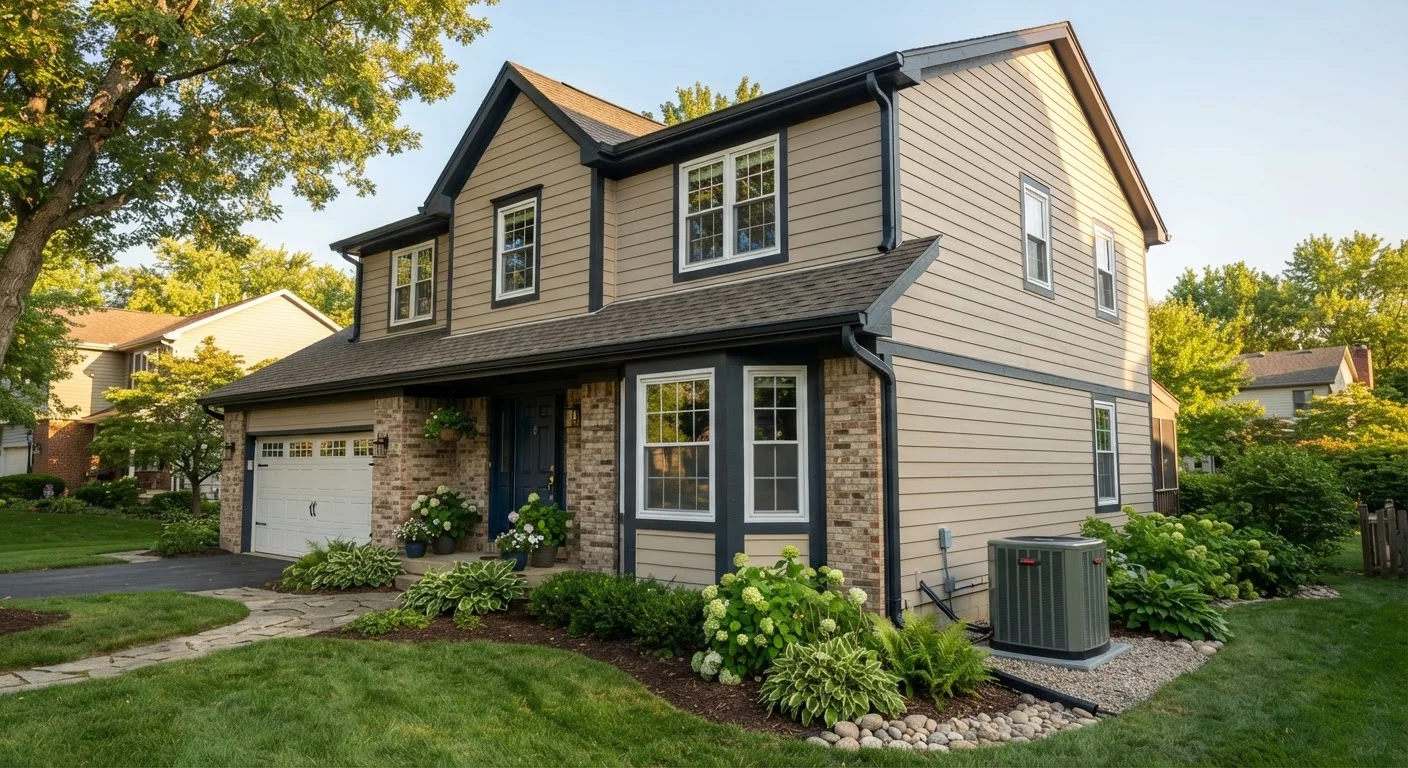
Why Maintenance Myths Are So Expensive
Homeownership is one of the largest financial commitments most Americans ever make, yet a surprising number of owners manage their properties on the basis of half-truths passed down through generations. These myths feel reasonable - they often promise savings or convenience - but acting on them tends to produce the opposite result.
The pattern is consistent: a small, inexpensive maintenance task gets skipped because it doesn't seem urgent. Months or years later, what could have been a $75 fix has escalated into a $3,000 repair. Understanding which beliefs are myths - and why - is one of the most practical things a homeowner can do to protect their investment. Our guide to deferred maintenance costs explores how quickly small oversights compound.
Myth
If it's not broken, there's no reason to service it. Why pay for maintenance on something that's working fine?
Fact
Most home systems fail from the inside out - visible breakdowns are usually the end stage of a longer, preventable process.
HVAC units, water heaters, and roofing systems all degrade incrementally. A furnace that heats your home today may have a cracked heat exchanger that poses a carbon monoxide risk or will cause a full system failure within one heating season. Annual servicing by a qualified technician catches these developing issues before they become emergencies. Skipping service doesn't save money - it delays the bill and increases it.
Myth
Gutters only need cleaning if they're visibly overflowing. As long as water drains, they're fine.
Fact
Gutters can be heavily clogged with compacted debris and still allow some water to pass - while quietly directing overflow toward your foundation.
Even partially functioning gutters can concentrate water at the roofline, causing fascia rot, and redirect overflow against your home's foundation, contributing to basement moisture intrusion or soil settling. Most professional guidance recommends cleaning gutters at least twice yearly - more often for homes surrounded by trees. The cost of a gutter cleaning is a fraction of the cost of foundation remediation or fascia replacement.
Myth
Caulking and weatherstripping are cosmetic fixes - they don't affect anything structural or costly.
Fact
Failed caulking and weatherstripping are among the leading causes of moisture intrusion, energy loss, and eventual wood rot in American homes.
A hairline gap in exterior caulking around a window or door frame allows water to wick into framing members over months and years, often invisibly. By the time interior moisture damage or mold becomes apparent, the repair scope has expanded significantly. Caulking is inexpensive and a straightforward DIY task for most homeowners - but it requires periodic inspection and renewal, not a one-time application. Similarly, worn weatherstripping contributes meaningfully to heating and cooling losses.
Myth
You only need to replace a water heater when it stops producing hot water.
Fact
Waiting for a water heater to fail completely often means dealing with a flood - not just the inconvenience of cold showers.
Most tank water heaters have a functional lifespan of 8-12 years. As they age, the anode rod - a sacrificial metal rod that prevents tank corrosion - depletes. Without it, the tank itself begins to corrode from the inside. The first external sign is often a slow leak or pooling water, but catastrophic failure (a burst tank releasing 40-80 gallons of water into a living space) is also possible. A qualified plumber can inspect the anode rod and tank condition; planned replacement on a schedule is far less disruptive and costly than emergency replacement after a flood.
Myth
Changing HVAC filters once a year is sufficient - the manufacturer's schedule is overly conservative.
Fact
Filter replacement frequency depends on household conditions, and for many homes, quarterly or even monthly changes are appropriate.
A clogged air filter forces an HVAC system to work harder to move air, increasing energy consumption and accelerating wear on the blower motor and other components. In homes with pets, heavy occupancy, or dusty conditions, filters can reach maximum capacity well before an annual change. Most systems benefit from filter inspections every 30-60 days, with replacement as needed. The cost of a filter is measured in dollars; the cost of a failed blower motor or compressor is measured in hundreds or thousands.
Myth
A roof that isn't visibly leaking doesn't need any attention.
Fact
Roof systems can sustain significant structural and waterproofing damage long before any leak appears on interior ceilings.
Flashing failures around chimneys, skylights, and vents - along with cracked or missing shingles - often allow water infiltration into roof decking and insulation for months or years before moisture migrates through to a visible interior stain. By that point, decking replacement, mold remediation, and insulation removal may all be on the repair list. Periodic roof inspections, particularly after major storms, can identify failing components while they're still inexpensive to address. This is one area where professional eyes add clear value over a visual ground-level check. See our glossary of common maintenance terms if unfamiliar terminology like flashing or soffit comes up during an inspection.
Rethinking What 'Working Fine' Really Means
Many of the most expensive home repairs share a common origin: the owner thought everything was fine because nothing had visibly broken down. Roofs don't announce their failing flashing. HVAC systems don't always warn you before the coils fail. Water heaters corrode quietly for years before they fail - often at the worst possible time.
A proactive inspection mindset, rather than a reactive repair mindset, is what separates homeowners who control their maintenance costs from those who are repeatedly blindsided by them. If you haven't already, consider reading about the risks of skipping annual home inspections - many of the problems caught in those checkups are invisible to the untrained eye until they've already caused significant damage.
1%-3%
Of home value recommended annually for maintenance
A widely cited rule of thumb among housing and financial planning professionals suggests budgeting 1%-3% of a home's value each year for ongoing maintenance and repairs.
3x-5x
Cost multiplier for deferred versus timely repairs
Industry estimates from home inspection and contracting sectors consistently find that deferred maintenance repairs cost several times more than the same work addressed promptly.
For a structured approach to staying ahead of these issues, seasonal maintenance task guides offer a practical framework for scheduling the right work at the right time of year.
This article provides general homeownership education and is not a substitute for advice from a licensed contractor, home inspector, or other qualified professional. Local building codes and conditions vary; always verify requirements with a licensed professional in your area.
The content on this site is provided for informational purposes only and should not be considered a substitute for professional advice. While we strive to provide accurate and up-to-date information, we make no guarantees regarding its completeness or accuracy. Always consult a qualified professional for advice specific to your circumstances before making any decisions.