

The Scale Doesn't Tell the Whole Story
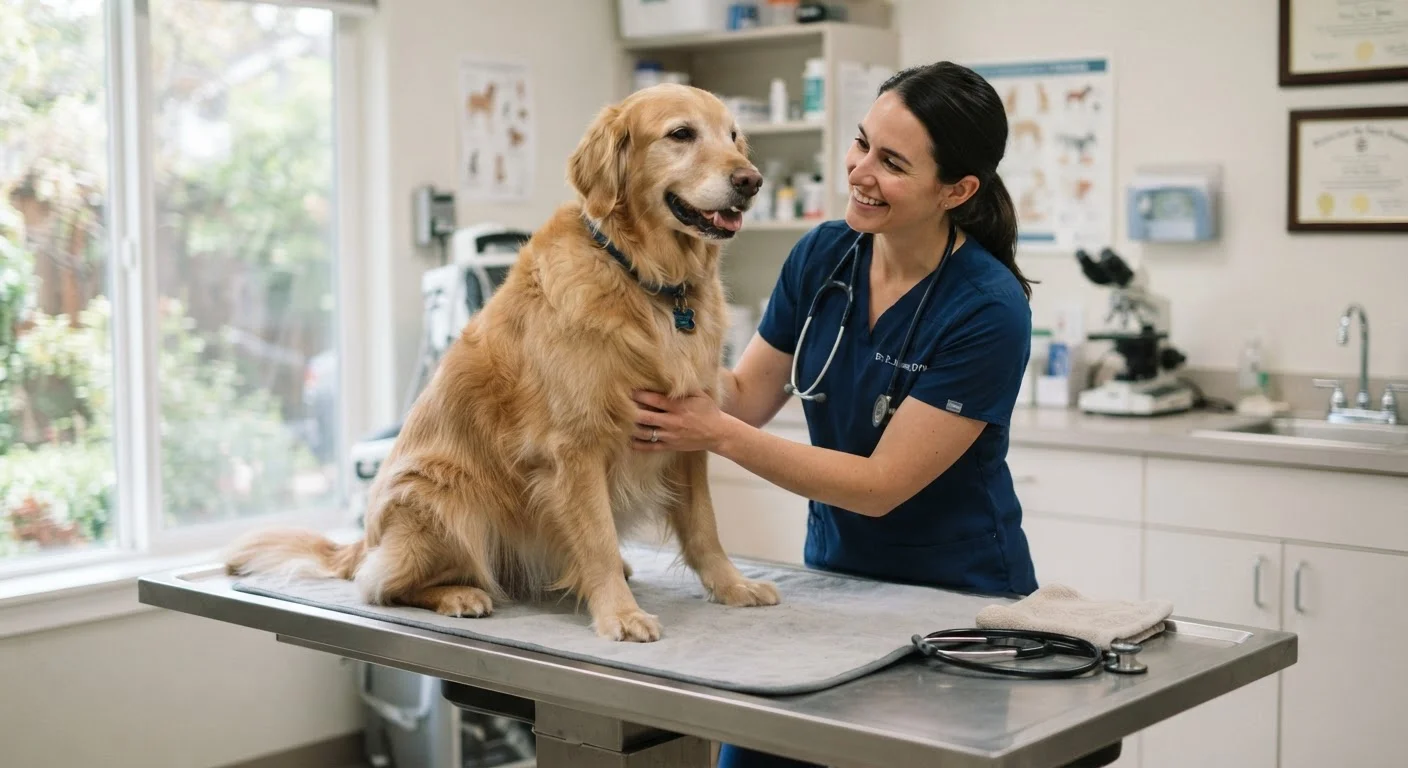
Many pet owners know roughly how much their dog or cat weighs, but scale weight alone is a poor measure of whether an animal is at a healthy size. A Labrador Retriever and a Vizsla can both weigh 65 pounds - and one may be perfectly fit while the other carries significant excess fat. This is why veterinary professionals rely on body condition scoring (BCS), a hands-on evaluation that assesses fat deposits over the ribs, spine, and abdomen alongside visible muscle definition.
BCS is typically rated on a 5- or 9-point scale. A score in the middle range reflects a healthy body composition - ribs easily felt but not prominently visible, a discernible waist when viewed from above, and a slight abdominal tuck. Scores at the upper end indicate excess fat accumulation that warrants attention. You can learn more about how to apply this at home in our guide on how body condition scoring works.
~60%
U.S. dogs and cats estimated to be overweight or obese
According to Association for Pet Obesity Prevention survey data, the majority of companion dogs and cats in the United States are above their ideal body weight.
~1.8 years
Median lifespan reduction in overweight Labrador Retrievers
A landmark long-term study published in the Journal of the American Veterinary Medical Association found lean-fed dogs outlived their heavier counterparts by roughly 1.8 years.
4x
Higher diabetes risk in overweight cats vs. lean cats
Veterinary internal medicine research has consistently identified obesity as the single largest modifiable risk factor for feline diabetes mellitus.
Why Excess Weight Is a Serious Health Risk
Veterinary research consistently shows that obesity shortens life expectancy in companion animals. A long-running study involving Labrador Retrievers found that dogs maintained at a lean body condition lived a median of nearly two years longer than their heavier littermates. The implications extend across species.
In practical terms, carrying extra body fat places chronic strain on nearly every organ system. Key health consequences include:
- Osteoarthritis: Extra weight accelerates cartilage breakdown in joints. Dogs with obesity are significantly more likely to develop mobility-limiting arthritis, sometimes masking pain that owners may not recognize. If you're unsure whether your pet is uncomfortable, see our article on signs your pet may be in pain.
- Diabetes mellitus: Particularly common in obese cats, excess fat impairs insulin sensitivity in a manner similar to type 2 diabetes in humans.
- Respiratory and cardiovascular stress: Fat tissue increases the body's demand for oxygen and can restrict the chest cavity, making breathing harder - a particular concern during surgery or in brachycephalic (flat-faced) breeds.
- Liver disease: Fat infiltration of the liver - hepatic lipidosis in cats and hepatic steatosis in dogs - is associated with obesity and can progress to serious liver dysfunction.
- Reduced immune function and cancer risk: Adipose (fat) tissue is metabolically active and produces inflammatory compounds that can suppress immune responses and, in some studies, have been linked to higher cancer rates in dogs.
Use the Rib Check as a Quick Home Test
Place your hands on your pet's chest with your thumbs along the spine and fingers spread over the ribcage. You should be able to feel individual ribs with light pressure, similar to feeling your knuckles when your hand is relaxed. If you need to press firmly to detect ribs - or cannot feel them at all - it's worth discussing your pet's weight at the next veterinary visit.
Common Causes and What Owners Can Do
The root causes of pet obesity usually combine overfeeding, calorie-dense foods, insufficient exercise, and in some cases, underlying medical conditions such as hypothyroidism or hyperadrenocorticism (Cushing's disease). Treats and table scraps are frequently underestimated caloric contributors - a small dog receiving a single plain cookie may be consuming the caloric equivalent of a full meal for their size.
Addressing weight in a pet requires a measured, veterinarian-guided approach:
- Get a professional assessment: Your vet will rule out medical causes and establish a target weight and BCS goal.
- Establish accurate portions: Feeding guidelines on commercial food packaging are often based on average activity levels; your vet may recommend adjustments based on your pet's specific needs.
- Track treats: Treats should generally make up no more than 10% of daily caloric intake, as a commonly cited guideline in veterinary nutrition practice.
- Build in appropriate movement: Regular, species-appropriate exercise supports caloric burn and maintains muscle mass during weight loss - but intensity should match the pet's current condition.
- Monitor progress: Weight loss in pets should be gradual - typically 1-2% of body weight per week for dogs, and more cautiously for cats due to the risk of hepatic lipidosis.
These habits are part of the broader framework of attentive care described in our overview of responsible pet ownership habits.
This article is for general informational purposes only and is not a substitute for professional veterinary advice. Always consult a licensed veterinarian before making changes to your pet's diet, exercise routine, or health management plan.
Frequently Asked Questions
The most reliable method is body condition scoring, which involves feeling for your pet's ribs, waist, and fat deposits. You should be able to feel - but not see - your pet's ribs with light pressure. Your vet can perform an official BCS assessment and compare it against a species-specific scale.
Excess weight is associated with osteoarthritis, type 2 diabetes, respiratory difficulty, high blood pressure, liver disease, and a reduced immune response. In dogs, obesity is also linked to an increased risk of certain cancers and complications during anesthesia.
Reducing caloric intake is central to weight loss, but it must be done carefully to avoid nutritional deficiencies. Sudden or drastic food restriction can be harmful - particularly in cats, who can develop a serious liver condition called hepatic lipidosis. Always work with your vet to create a gradual, nutritionally complete weight-loss plan.
Yes. Some dog breeds - including Labrador Retrievers, Beagles, and Cocker Spaniels - have a genetic predisposition to weight gain. Among cats, neutered and indoor animals carry higher risk. Breed and life-stage context matters when assessing ideal weight.
Exercise recommendations depend on the species, breed, age, and any existing health conditions. Your vet should guide the starting level and progression. Low-impact activities like leash walking or swimming are often recommended for heavier dogs to protect joints during the weight-loss process.
The content on this site is provided for informational purposes only and should not be considered a substitute for professional advice. While we strive to provide accurate and up-to-date information, we make no guarantees regarding its completeness or accuracy. Always consult a qualified professional for advice specific to your circumstances before making any decisions.