

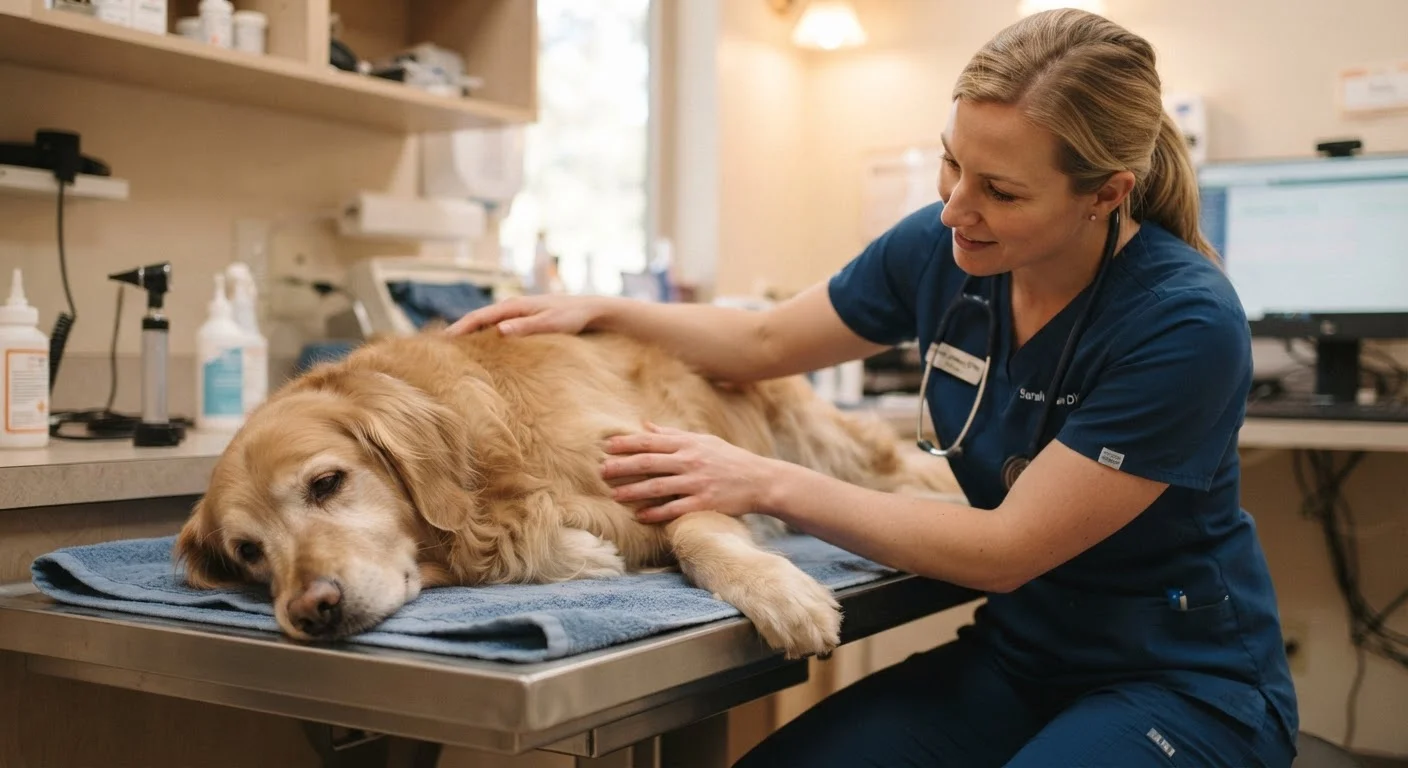
Why Pets Hide Pain
Animals evolved to mask vulnerability. In the wild, showing weakness invites predation, so dogs, cats, rabbits, birds, and most other companion species instinctively suppress outward signs of pain - even severe pain. This survival instinct doesn't disappear in a domestic setting, which means owners who wait for obvious cries of distress may be waiting too long.
The result is that many pets suffer quietly while their conditions worsen. Understanding the subtle signals of pain - not just the obvious ones - is one of the most practical skills a pet owner can develop. See also our guide to easily missed pain signals for a deeper look at overlooked cues.
Common Behavioral Signs of Pain
Behavior change is frequently the first indicator that something is wrong. Key patterns to watch for include:
- Withdrawal or hiding: A normally social pet that retreats to corners, under furniture, or away from family interaction may be seeking isolation due to discomfort.
- Aggression or irritability: A pet that growls, hisses, or snaps when touched in a specific area is often protecting a painful spot - even if they've never shown aggression before.
- Changes in sleep or posture: Restlessness, difficulty lying down, or sleeping far more than usual can all indicate pain.
- Reduced grooming or over-grooming: Cats that stop grooming may feel too unwell to bother; cats that obsessively lick one area may be targeting a source of pain.
- Vocalization: Whining, whimpering, growling, or unusual vocalizations - especially when moving or being handled - are direct signals worth taking seriously.
- Loss of interest in food, play, or interaction: Pain commonly suppresses appetite and motivation. A pet that skips meals or ignores favorite activities warrants attention.
Behavioral changes that overlap with stress are worth distinguishing carefully. Our article on signs your pet may be stressed can help you tell the two apart.
Physical Signs to Observe
Beyond behavior, physical examination - even a gentle visual scan - can reveal pain-related changes:
- Limping or altered gait: Favoring a limb, stiffness when rising, or reluctance to climb stairs or jump are classic indicators of musculoskeletal pain.
- Facial expression: Veterinary researchers have developed pain scales based on facial cues. Squinted eyes, flattened ears, a tense muzzle, and a furrowed brow are recognized pain indicators in dogs and cats.
- Hunched posture: Animals in abdominal pain often stand or sit in a tucked, hunched position to relieve internal pressure.
- Swelling, heat, or sensitivity: Localized warmth, swelling, or a strong reaction when a body area is touched can indicate injury or inflammation.
- Changes in breathing: Rapid, shallow breathing at rest - especially in cats - can signal significant pain or underlying illness requiring prompt attention.
- Altered bathroom habits: Straining, accidents, or changes in frequency may reflect pain during elimination or an internal condition causing discomfort.
Dental pain is a frequently overlooked source of chronic discomfort. Learn more in our overview of dental health in dogs and cats.
What to Do When You Suspect Pain
If your pet is showing multiple signs from the lists above - or even a single sign that is out of character - contact your veterinarian. Do not attempt to administer over-the-counter pain medications intended for humans; many common analgesics, including ibuprofen and acetaminophen, are toxic to dogs and cats and can cause serious harm or death.
When you call your vet, be ready to describe:
- When the behavior or physical change first appeared
- Whether it has worsened, improved, or stayed the same
- Any recent events (falls, rough play, dietary changes, new environments)
- Which specific signs you observed and how frequently
This information helps the veterinary team triage urgency and prepare for the visit. Keeping a running log - even brief notes on your phone - can be enormously helpful. Our pet health symptom checklist is a practical tool to track observations by urgency level.
Older pets deserve particular attention, as pain from arthritis, organ disease, or cancer can be subtle and is often mistaken for normal aging. See our guidance on keeping a senior pet comfortable for age-specific health priorities. And if you've wondered whether you're responding quickly enough, when pet owners wait too long to call the vet examines the real consequences of delayed care.
This article is for general informational purposes only and does not constitute veterinary advice. If you believe your pet is in pain or experiencing a medical emergency, contact a licensed veterinarian promptly.
The content on this site is provided for informational purposes only and should not be considered a substitute for professional advice. While we strive to provide accurate and up-to-date information, we make no guarantees regarding its completeness or accuracy. Always consult a qualified professional for advice specific to your circumstances before making any decisions.