

Why Raw Diets Have Captured Pet Owners' Attention
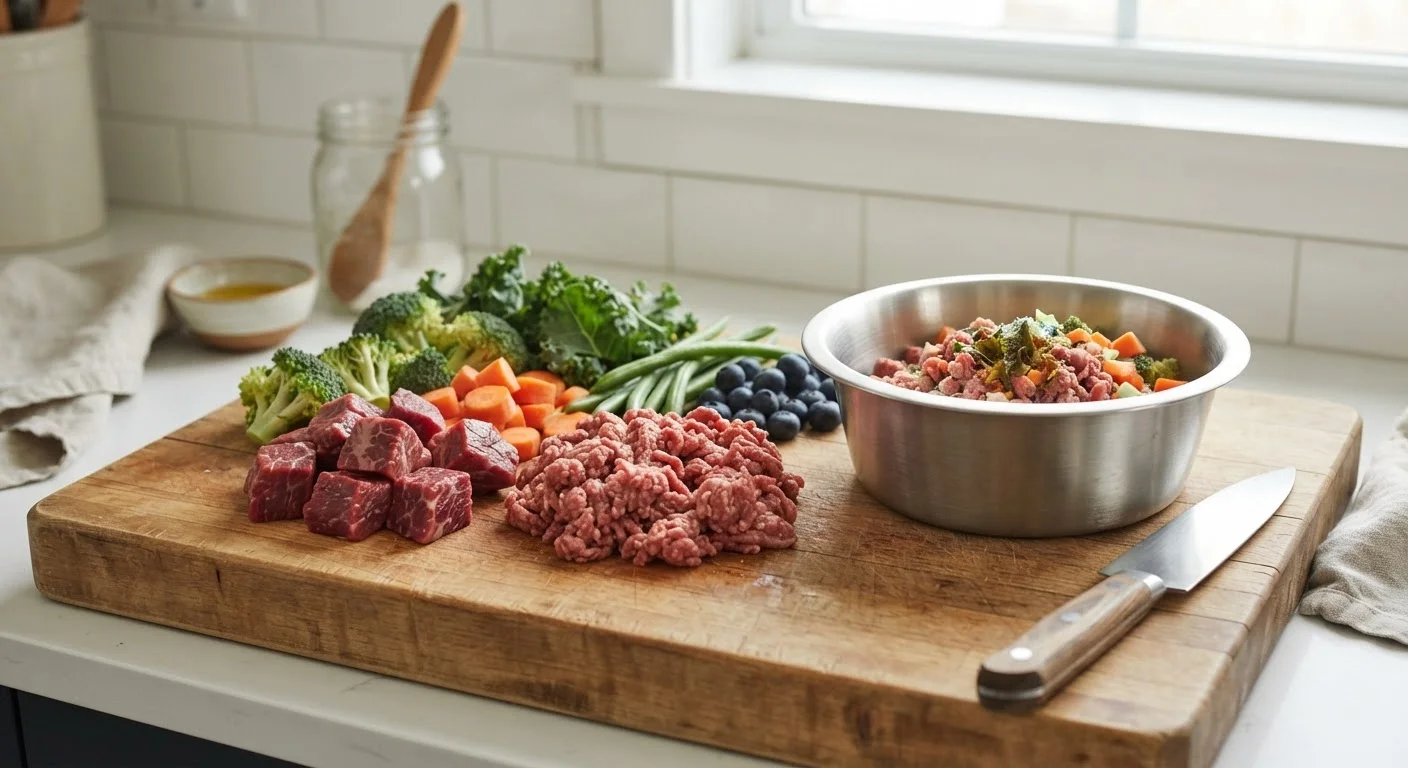
Raw food diets - sometimes called BARF diets (Biologically Appropriate Raw Food or Bones and Raw Food) - have grown in popularity over the past two decades, fueled by a broader cultural interest in whole, minimally processed foods. The core appeal is intuitive: feed your pet something closer to what its ancestors ate, the argument goes, and it will thrive more naturally.
The reality is more nuanced. Proponents credit raw diets with shinier coats, better digestion, and higher energy levels. Veterinary organizations and food safety agencies, however, have raised consistent concerns about pathogen risks, nutritional gaps, and a lack of peer-reviewed evidence supporting many of the claimed benefits. Understanding where the evidence actually stands - and where it doesn't - is essential before making any dietary change for your pet. For a broader look at how nutrition claims hold up under scrutiny, see our article on common pet nutrition myths that still circulate online.
Separating the Myths from the Facts
The conversation around raw feeding is filled with claims that sound persuasive but don't always match what veterinary science and food safety research show. Below, we examine the most common misconceptions and what the evidence actually indicates.
Myth
Dogs and cats are natural carnivores built for raw meat, so raw diets are simply more biologically appropriate.
Fact
Domestic dogs are omnivores, and while cats are obligate carnivores, neither species is physiologically identical to wild ancestors. 'Natural' does not automatically mean safe or nutritionally complete.
The argument from nature - that wolves eat raw prey, therefore dogs should too - overlooks thousands of years of domestication that have meaningfully changed canine digestive physiology and nutritional needs. Dogs have evolved genes associated with starch digestion that wolves lack. Cats, though obligate carnivores, require specific nutrients such as taurine and arachidonic acid in precise amounts that are difficult to guarantee in unformulated raw diets. The term 'biologically appropriate' is a marketing framing, not a regulated nutritional standard.
Myth
Raw diets always produce visibly healthier coats, better digestion, and more energy.
Fact
These outcomes are frequently reported anecdotally, but controlled clinical research has not consistently confirmed them as direct effects of raw feeding.
Coat condition and energy levels can improve when a pet moves from a low-quality processed food to any higher-protein, nutrient-dense diet - raw or not. Owner-reported improvements are subject to confirmation bias, particularly when an owner has invested significant effort in a dietary change. The improvements seen in some dogs may reflect higher overall protein quality or caloric density rather than the raw nature of the food itself. Veterinary dermatologists and internists generally note that coat and digestive health are influenced by many variables, including underlying conditions, parasite control, and hydration.
Myth
Cooking destroys the nutrients that make food valuable for pets, so raw is nutritionally superior.
Fact
Cooking does alter some heat-sensitive nutrients, but commercial pet foods are formulated to account for this. Many raw diets are more nutritionally incomplete than standard processed foods.
It's true that heat processing can reduce levels of certain vitamins, which is why reputable manufacturers add them back after cooking - a process governed by AAFCO (Association of American Feed Control Officials) nutritional standards. By contrast, homemade raw diets frequently lack these compensatory additions. Studies have found significant nutrient deficiencies - particularly in calcium-to-phosphorus ratios - in raw recipes sourced from books, websites, and even some commercially produced raw products. Nutritional completeness, not processing method, is the meaningful measure of diet quality.
Myth
Pets have strong enough stomach acid to kill any bacteria in raw meat, so contamination isn't a real concern.
Fact
While pets may tolerate some bacterial loads that would sicken humans, they are not immune to pathogens found in raw meat, and they can shed dangerous bacteria into the household environment.
The FDA has documented that raw pet food products frequently test positive for Salmonella and Listeria monocytogenes. Pets that consume contaminated food may appear healthy while shedding pathogens in their feces - creating risk for immunocompromised household members, children, and elderly adults. The AVMA explicitly notes this zoonotic (animal-to-human) transmission risk. Some pets, particularly those that are young, elderly, pregnant, or already ill, are also at elevated risk of serious infection themselves. Safe handling practices reduce but do not eliminate this risk.
Myth
Raw bones are safe for pets and provide important dental benefits.
Fact
Raw bones can and do cause serious injuries, including broken teeth, mouth lacerations, gastrointestinal obstruction, and internal perforations. Any dental benefit is outweighed by these documented risks.
Veterinary emergency hospitals regularly treat pets for bone-related injuries. The AVMA and AAHA both advise against feeding raw bones, regardless of size or bone type. While chewing does provide some mechanical tooth-cleaning benefit, the same effect can be achieved through veterinary-approved dental chews and brushing without the associated injury risk. If a bone is hard enough to crack a tooth - a standard test used by veterinarians - it is too hard to feed safely. Cooked bones carry an additional risk of splintering and should be avoided entirely.
What Vets and Researchers Say
The American Veterinary Medical Association (AVMA), the American Animal Hospital Association (AAHA), and the U.S. Food and Drug Administration (FDA) have each published positions discouraging the feeding of raw animal-source proteins to pets, citing documented risks of Salmonella, Listeria, E. coli, and other pathogens - risks that extend to human household members through cross-contamination.
~21%
Raw pet food samples testing positive for Salmonella
An FDA study of commercially available raw pet food products found Salmonella contamination in approximately 21% of samples tested.
~32%
Raw pet food samples positive for Listeria monocytogenes
The same FDA sampling program found Listeria monocytogenes in roughly 32% of raw pet food products, compared to far lower rates in conventional pet foods.
Peer-reviewed research on the health benefits of raw diets remains limited and methodologically inconsistent. Studies that do exist tend to be small or rely on owner-reported outcomes, which introduce significant bias. By contrast, multiple studies have confirmed high rates of bacterial contamination in commercially available raw pet food products.
If you're evaluating your pet's food more broadly, understanding how to interpret commercial labels is a practical first step - our guide to reading a pet food label without getting confused explains what AAFCO statements and ingredient lists actually mean.
Homemade Raw Diets and Nutritional Deficiency Risk
Recipes for homemade raw diets - including those found in books and on reputable-seeming websites - have repeatedly been shown to be nutritionally incomplete when evaluated by veterinary nutritionists. Deficiencies in calcium, vitamin D, and essential fatty acids can cause irreversible bone deformities, organ damage, and developmental problems, especially in puppies and kittens. If you choose to feed a homemade diet of any kind, have it reviewed by a board-certified veterinary nutritionist before serving it to your pet.
Making an Informed Decision for Your Pet
If you're still considering a raw diet after reviewing the evidence, the most responsible path involves a conversation with a board-certified veterinary nutritionist who can assess your individual pet's health status, life stage, and specific needs. Homemade raw diets formulated without professional guidance are frequently deficient in calcium, phosphorus, or essential vitamins - sometimes causing serious, irreversible bone and organ problems, particularly in growing animals.
For owners who want less-processed options without the pathogen risk, some veterinary-formulated cooked fresh-food diets may be worth discussing with your vet. Comparing the trade-offs across food types is covered in our article on dry kibble vs. wet food. Whatever you decide, the goal is the same: a nutritionally complete, safe diet suited to your pet's individual biology. That determination is best made in partnership with a veterinary professional who knows your animal.
This article is for general informational purposes only and does not constitute veterinary or medical advice. Always consult a licensed veterinarian before making significant changes to your pet's diet.
The content on this site is provided for informational purposes only and should not be considered a substitute for professional advice. While we strive to provide accurate and up-to-date information, we make no guarantees regarding its completeness or accuracy. Always consult a qualified professional for advice specific to your circumstances before making any decisions.