

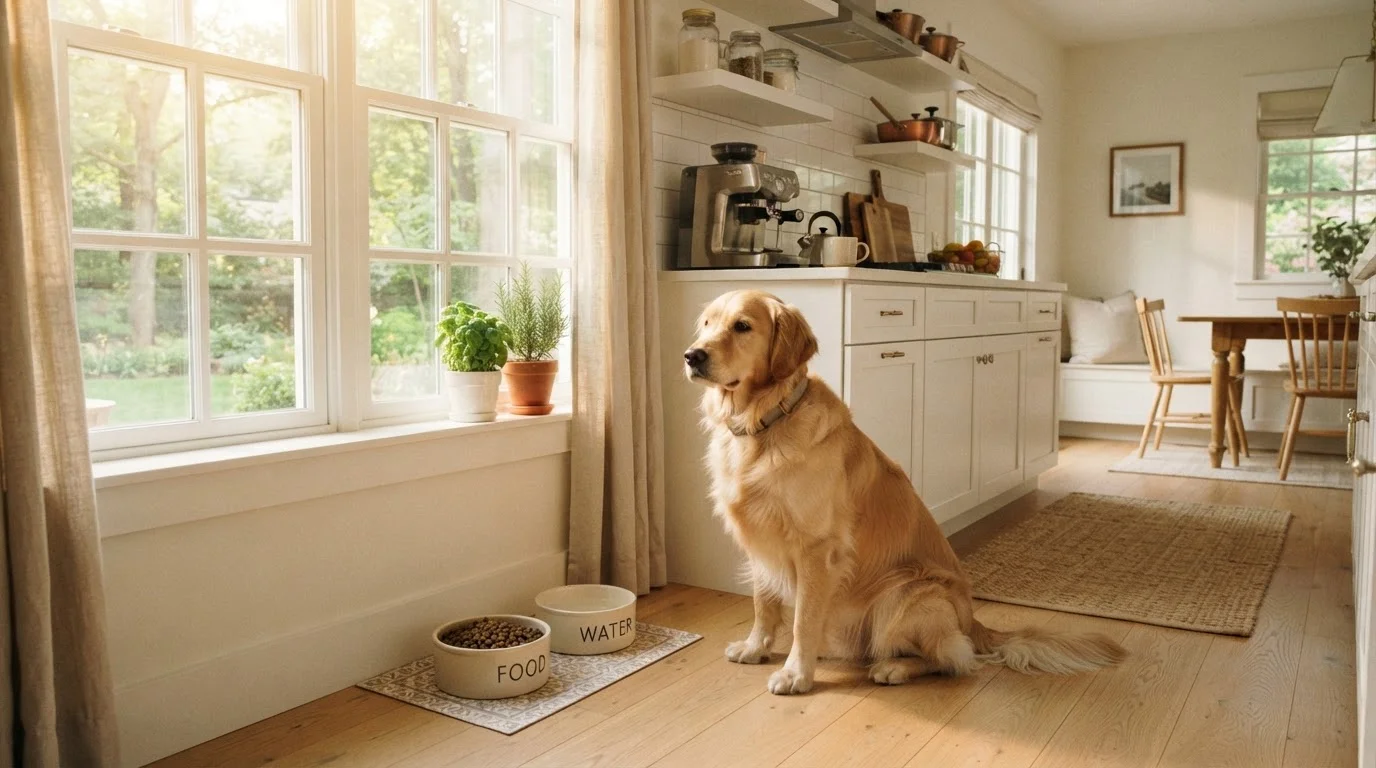
Why Routine Matters More Than You Might Think
Animals are creatures of habit - not just by preference, but by biology. Their internal clocks, known as circadian rhythms, shape when they feel hungry, alert, or ready to sleep. When those expectations are met consistently, pets feel secure. When they're not, anxiety, destructive behavior, and even digestive issues can follow.
Veterinary behaviorists commonly note that unpredictable environments are a leading contributor to stress-related conditions in companion animals. Dogs may bark excessively or chew furniture. Cats may over-groom or hide. Routine is one of the simplest, lowest-cost interventions available to everyday pet owners.
Before committing to a schedule, it's worth doing an honest self-assessment. The lifestyle assessment guide walks through key questions about your work hours, activity level, and home environment - all factors that shape what kind of routine is actually sustainable for you.
Building the Framework: Feeding, Movement, and Rest
A solid daily routine for most pets rests on three pillars: consistent feeding times, appropriate physical activity, and adequate rest. How you structure each will depend on your pet's species, age, and health status - but the principles below apply broadly.
For feeding, fixed mealtimes do more than fill a bowl. They regulate digestion, reinforce trust, and make it easier to notice early signs of illness - a pet that skips a familiar meal is sending a signal worth paying attention to. The monthly health check routine pairs well here, helping you track appetite trends alongside other physical markers.
Exercise timing matters as much as duration. Dogs generally benefit from morning and evening activity; cats may prefer shorter, more spontaneous play sessions. For a detailed breakdown by species, see exercise needs across common household pets.
Rest is often underestimated. Most adult dogs sleep 12-14 hours per day; cats average closer to 15. Designating a consistent, quiet rest area helps pets fully decompress between active periods.
Practical Tips for Sticking to the Schedule
Establishing a routine is straightforward in concept - but consistency across a busy week takes deliberate effort. A few practical strategies make it far more likely to stick.
Pairing new routine elements with things you already do reliably is one of the most effective approaches. Feed your pet when you make your morning coffee. Walk the dog when you return from work. These habit anchors reduce the mental load of remembering a separate pet schedule.
Training plays a supporting role too. Pets who understand basic cues are easier to manage within a routine. The positive reinforcement guide explains how reward-based methods can make transitions into routine behaviors - like coming for meals or settling at bedtime - smoother and less stressful for both of you.
For a broader picture of what consistent care looks like day to day, responsible pet ownership habits covers the full range of daily, weekly, and annual practices that define attentive care.
This article is for general informational purposes only and does not constitute veterinary advice. Consult a licensed veterinarian for guidance specific to your pet's health, age, and individual needs.
The content on this site is provided for informational purposes only and should not be considered a substitute for professional advice. While we strive to provide accurate and up-to-date information, we make no guarantees regarding its completeness or accuracy. Always consult a qualified professional for advice specific to your circumstances before making any decisions.