

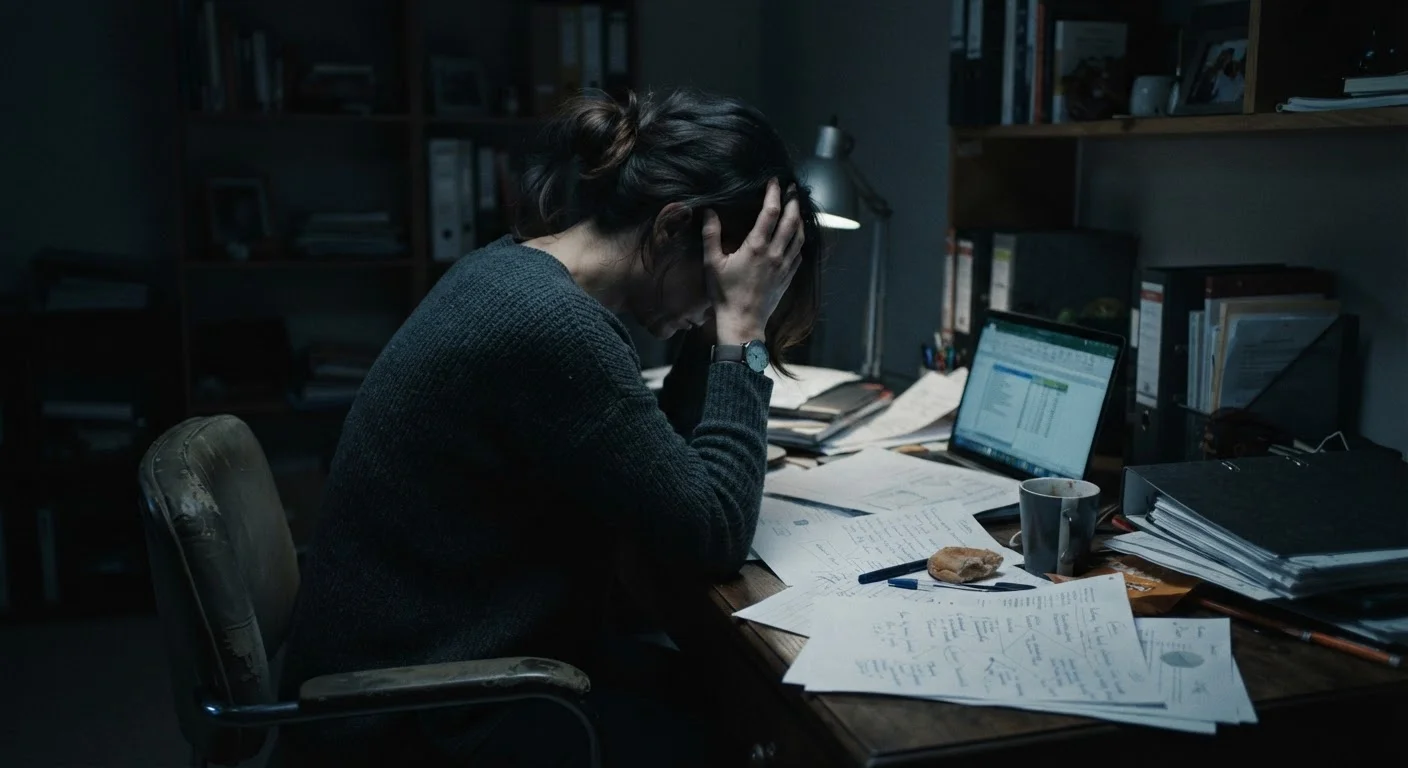
How the Body Responds to Prolonged Stress
When you encounter a stressor, your brain's hypothalamus triggers the release of stress hormones - primarily adrenaline and cortisol - through a signaling cascade involving the adrenal glands. This fight-or-flight response is designed to be temporary. Heart rate rises, blood pressure increases, digestion slows, and energy is redirected to muscles and essential functions.
Under chronic stress, this response never fully switches off. Cortisol remains elevated, and the body effectively stays on high alert. According to the American Psychological Association, this sustained hormonal state has cascading effects across multiple organ systems. The cardiovascular system is strained by persistent increases in blood pressure and heart rate. The immune system, which cortisol suppresses at high levels, becomes less effective at fighting infection and inflammation. Digestive issues - including irritable bowel symptoms - become more common as the gut-brain connection is disrupted.
77%
Americans reporting physical stress symptoms
According to the American Psychological Association's Stress in America survey, a large majority of adults report physical symptoms they attribute to stress.
2-3×
Increased cardiovascular risk under chronic stress
Research published in cardiovascular health journals suggests chronically stressed individuals face significantly elevated risk of heart disease compared to low-stress peers.
~30%
Reduction in hippocampal volume linked to chronic stress
Neuroimaging studies have documented measurable hippocampal volume reduction in individuals with prolonged stress-related conditions such as PTSD.
Sleep is another major casualty. Elevated cortisol interferes with the natural rise and fall of sleep-regulating hormones, leading to difficulty falling asleep, staying asleep, or feeling rested. Poor sleep, in turn, amplifies stress reactivity - creating a reinforcing cycle that is hard to break without intentional intervention.
What Chronic Stress Does to Your Brain
The brain is not a passive bystander in chronic stress - it is one of the most affected organs. Research published in peer-reviewed neuroscience journals has documented that sustained high cortisol levels are associated with structural and functional changes in key brain regions.
The hippocampus, which plays a central role in memory formation and learning, is particularly vulnerable. Prolonged cortisol exposure has been linked to reduced hippocampal volume, which may explain why people under chronic stress often report memory lapses and difficulty retaining new information. The prefrontal cortex - responsible for planning, decision-making, and impulse control - also shows impaired function under chronic stress, making it harder to think clearly or respond calmly under pressure.
Meanwhile, the amygdala, the brain's threat-detection center, can become hyperactive. This contributes to heightened emotional reactivity, difficulty calming down after upsetting events, and a general sense of being on edge. Understanding the distinction between stress and anxiety is important here - see our explainer on anxiety and stress for more detail.
“The brain is the organ of the mind, and it is profoundly shaped by stress. Chronic stress doesn't just affect how we feel - it changes the architecture of the brain itself.”
— Bruce McEwen, Neuroendocrinologist, Rockefeller University (widely cited researcher in stress and the brain)
The Emotional and Behavioral Toll
Beyond the physiological, chronic stress exerts a significant toll on emotional well-being and everyday behavior. People experiencing prolonged stress commonly report persistent low mood, irritability, difficulty concentrating, and a reduced capacity for joy or connection - sometimes described as emotional numbness.
Behaviorally, chronic stress often leads to patterns that inadvertently worsen the problem. Sleep may be sacrificed for productivity. Physical activity - one of the most evidence-supported stress moderators - is skipped. Social withdrawal increases. Some individuals turn to alcohol or other substances as a short-term coping mechanism, which carries its own health risks. Certain everyday habits can quietly erode the emotional resilience needed to manage stress effectively - our article on everyday habits that erode emotional resilience explores these patterns in depth.
Chronic stress can also affect work performance, relationships, and self-perception, creating secondary stressors that compound the original burden. Recognizing these patterns is an important first step. If stress has persisted for an extended period and is affecting multiple areas of your life, speaking with a qualified mental health professional is a meaningful and appropriate step - not a last resort.
This article is for general informational and educational purposes only and does not constitute medical or mental health advice. Always consult a qualified healthcare professional for guidance specific to your situation.
Frequently Asked Questions
Acute stress is a short-term response to an immediate challenge, such as a job interview or near-accident. Chronic stress is sustained over a long period - weeks, months, or more - often without a clear endpoint. The body handles short bursts of stress reasonably well, but prolonged activation of stress systems leads to cumulative damage.
Common physical symptoms include headaches, muscle tension, fatigue, digestive problems, and sleep disturbances. Over time, chronic stress is linked to higher risk of cardiovascular disease, weakened immune function, and metabolic issues. These symptoms arise because stress hormones like cortisol affect virtually every organ system.
Yes. Research indicates that sustained elevated cortisol can reduce volume in the hippocampus - a brain region critical for memory and learning - and impair the prefrontal cortex, which governs decision-making and impulse control. These changes can contribute to difficulties with concentration, memory lapses, and emotional regulation.
If you feel consistently overwhelmed, irritable, or physically unwell for weeks at a time without a clear reprieve, your stress may have become chronic. See our guide on <a href="/health-wellness/mental-wellness/signs-that-stress-has-crossed-into-something-that-needs-attention">signs that stress has crossed into something that needs attention</a> for specific indicators to watch for.
You should consult a qualified healthcare or mental health professional if stress is significantly disrupting your sleep, relationships, work, or physical health. Persistent symptoms such as chest pain, severe anxiety, or persistent low mood always warrant professional evaluation. Self-management strategies have limits, and professional support can make a meaningful difference.
No. Individual responses to chronic stress vary based on genetics, personal history, social support, and coping resources. Some people show primarily physical symptoms while others experience emotional or cognitive effects first. This variability is one reason professional assessment is valuable for tailored guidance.
The content on this site is provided for informational purposes only and should not be considered a substitute for professional advice. While we strive to provide accurate and up-to-date information, we make no guarantees regarding its completeness or accuracy. Always consult a qualified professional for advice specific to your circumstances before making any decisions.