

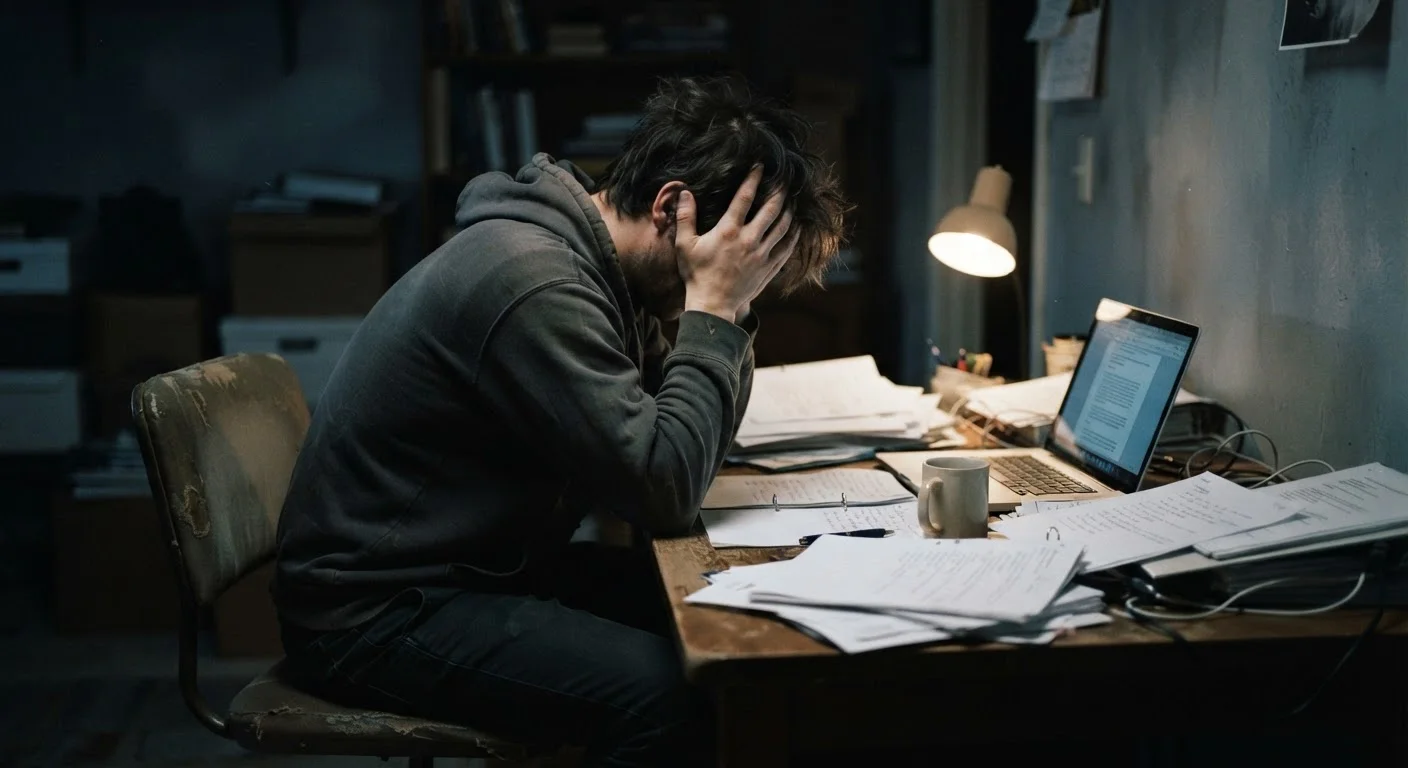
Why Stress Becomes a Health Problem Over Time
The human stress response evolved to handle immediate physical threats - a predator, a sudden fall, a dangerous confrontation. In those situations, the brain signals the adrenal glands to release hormones including adrenaline and cortisol, which sharpen focus, accelerate heart rate, and prepare muscles for action. When the danger passes, the body is designed to return to baseline.
Chronic stress disrupts that recovery cycle. When stressors are financial pressure, caregiving demands, job insecurity, or relationship conflict, the perceived threat rarely disappears, and the body's alert system stays switched on. The result is sustained hormonal activation that, over months and years, begins to wear down multiple body systems simultaneously.
Stress and Similar Conditions in Other Species
Chronic stress and its behavioral signs are not exclusive to humans. Animals experience prolonged anxiety responses too, and recognizing those signs matters for their care. See our related article on stress in pets and chronic anxiety across species for more on this topic.
It is important to understand that some stress is a normal and even adaptive part of life. The concern is not stress itself, but stress that is persistent, overwhelming, and without sufficient recovery periods. If you are unsure whether what you are experiencing is typical life stress or something that warrants professional attention, speaking with a healthcare provider is always a reasonable first step.
The Physical Toll: Hormones, the Heart, and the Immune System
Cortisol is often called the body's primary stress hormone. In short bursts it serves useful functions - regulating blood sugar, managing inflammation, and sustaining energy. But chronically elevated cortisol interferes with these same processes. Research published in leading peer-reviewed journals has linked prolonged cortisol dysregulation to increased blood pressure, insulin resistance, and systemic inflammation, all of which are established risk factors for cardiovascular disease.
77%
Americans who report physical symptoms of stress
According to the American Psychological Association's Stress in America survey, a large majority of U.S. adults report experiencing physical symptoms they attribute to stress.
2-3×
Higher cardiovascular risk with chronic stress
Research in cardiovascular epidemiology has found that individuals with high chronic stress levels face substantially elevated risk of heart disease compared to low-stress counterparts.
40%
Adults reporting stress-related sleep disruption
The American Psychological Association has found that roughly four in ten U.S. adults report lying awake at night due to stress-related thoughts.
The immune system is also significantly affected. Under sustained stress, the immune response becomes dysregulated: the body may become less effective at fighting infections while simultaneously experiencing heightened inflammatory activity. This paradox helps explain why people under chronic stress often report getting sick more frequently and recovering more slowly.
Digestive function is another common casualty. The enteric nervous system - sometimes called the gut's own nervous system - is tightly connected to the brain via the gut-brain axis, and stress can disrupt motility, increase gut permeability, and alter the microbiome in ways that contribute to symptoms like bloating, nausea, and irregular bowel habits.
What Chronic Stress Does Inside the Brain
Perhaps the most striking research on chronic stress concerns its effects on brain structure and function. The hippocampus, a region central to memory formation and learning, appears to be particularly vulnerable to prolonged cortisol exposure. Studies using neuroimaging have found reduced hippocampal volume in individuals with histories of prolonged stress or trauma, suggesting that chronic stress can cause measurable changes to brain architecture over time.
The prefrontal cortex - responsible for decision-making, impulse control, and emotional regulation - also shows reduced activity under chronic stress conditions. Meanwhile, the amygdala, the brain's threat-detection center, becomes more reactive. This combination creates a neurological environment in which rational thinking becomes harder and emotional reactivity increases, which can look like poor concentration, irritability, or emotional numbness from the outside.
Understanding the overlap - and differences - between stress-driven changes and clinical anxiety disorders is important. The distinction between anxiety and stress has real implications for what kind of support is most helpful.
Recognizing Chronic Stress and Taking It Seriously
Many people living with chronic stress do not identify it as stress because its symptoms overlap with so many other conditions. Persistent fatigue, frequent headaches, sleep disturbances, low mood, and digestive problems are all common presentations - and all commonly attributed to other causes before stress is considered.
Track Physical Symptoms Alongside Emotional Ones
Keeping a simple log of physical symptoms - headaches, sleep quality, digestive changes, energy levels - alongside mood notes can help you and a healthcare provider recognize patterns that suggest chronic stress. Many people find that seeing the connection between stressors and physical symptoms in writing makes the relationship concrete and easier to address.
Chronic stress can also quietly erode the habits and behaviors that would otherwise help a person cope. Social withdrawal, reduced physical activity, disrupted eating patterns, and increased reliance on substances like caffeine or alcohol are both symptoms of chronic stress and factors that deepen it. Everyday habits that quietly erode emotional resilience often go unnoticed until the cumulative effect becomes undeniable.
If stress symptoms are persistent, worsening, or interfering with daily function, they deserve professional attention rather than normalization. The signs that stress has crossed into something that needs attention include changes in sleep, relationships, work performance, and physical health that do not resolve with typical rest or self-care.
This article is for general informational and educational purposes only and is not a substitute for professional medical or mental health advice. Always consult a qualified healthcare provider about any health concerns or before making changes to your care.
Frequently Asked Questions
Acute stress is short-lived and typically resolves once the triggering situation passes. Chronic stress persists over an extended period - often weeks or months - and does not allow the body's stress response to fully reset. The long-term activation of stress hormones is what makes chronic stress physiologically harmful.
Yes. Research consistently links chronic stress to increased risk of cardiovascular disease, weakened immune function, digestive problems, and disrupted sleep. These effects are driven by sustained hormonal changes, particularly elevated cortisol, that interfere with normal body regulation.
Chronic stress can contribute to anxiety, depression, difficulty concentrating, and emotional dysregulation. It structurally affects regions of the brain involved in memory and emotional control, including the hippocampus and prefrontal cortex.
If stress is affecting your sleep, physical health, relationships, or ability to function at work or home, it is worth speaking with a healthcare provider or licensed mental health professional. Stress that feels unmanageable on your own deserves professional attention.
Sometimes stress resolves when the underlying situation changes, but often the physiological and psychological effects require active management. Without addressing root causes and developing coping strategies, chronic stress rarely resolves on its own.
Poor sleep, social isolation, excessive caffeine or alcohol use, and lack of physical movement can all amplify the body's stress response. See our <a href="/health-wellness/mental-wellness/everyday-habits-that-quietly-erode-emotional-resilience">article on habits that erode emotional resilience</a> for a detailed look at common patterns to reconsider.
The content on this site is provided for informational purposes only and should not be considered a substitute for professional advice. While we strive to provide accurate and up-to-date information, we make no guarantees regarding its completeness or accuracy. Always consult a qualified professional for advice specific to your circumstances before making any decisions.