

What Actually Drains a Car Battery
A car battery doesn't just power the starter motor - it supplies electricity to every system in the vehicle when the engine is off. That makes it vulnerable to a surprisingly wide range of drains.
Parasitic draw is the term mechanics use for electrical current that continues flowing after the ignition is switched off. A small amount is normal - your car's clock, alarm system, and computer memory need it. But a faulty relay, a malfunctioning module, or an accessory that doesn't shut off properly can pull far more current than intended, draining the battery overnight.
Short trips are another silent killer. When you start a cold engine, the battery expends a significant charge. The alternator is supposed to replenish that charge while the engine runs, but it needs time - typically 15-30 minutes of driving - to do so. If most of your trips are brief errands, your battery never fully recovers between starts, and capacity slowly degrades.
Leaving lights, phone chargers, or other accessories plugged in while the car is off compounds the problem. Even low-draw devices - a dash cam in standby mode, for example - can flatten a battery over several days of inactivity.
Modern Vehicles Have More Electrical Demand
Newer cars with advanced driver-assistance systems, multiple screens, and always-on connectivity modules place a higher baseline electrical load on the battery than older vehicles did. This makes keeping a healthy battery even more important, as a weak battery can trigger fault codes in these systems. If your vehicle has stop-start technology - which cuts the engine at red lights to save fuel - it typically uses an enhanced battery type (AGM or EFB) designed for more frequent cycling; always replace it with the specified type.
What Kills a Battery Prematurely
Beyond everyday drain, several factors actively shorten a battery's usable life.
Temperature extremes are the leading culprit. Heat accelerates the chemical reactions inside a lead-acid battery, speeding up internal corrosion and causing fluid (electrolyte) to evaporate. Cold weather doesn't corrode the battery, but it dramatically reduces its ability to deliver current - engine oil thickens in the cold, requiring more cranking power at exactly the moment the battery can provide the least. Drivers in climates with harsh summers or winters should expect batteries on the shorter end of the three-to-five-year range.
Deep discharges - running the battery all the way down - are particularly damaging to standard lead-acid batteries. Each full discharge reduces the plate material inside, permanently lowering total capacity. A battery that has been deeply discharged several times may accept a charge but will hold far less of it.
Overcharging is less common in modern vehicles with regulated alternators, but a failing alternator that outputs too high a voltage can cook the battery from the inside, causing the electrolyte to boil and venting corrosive gas.
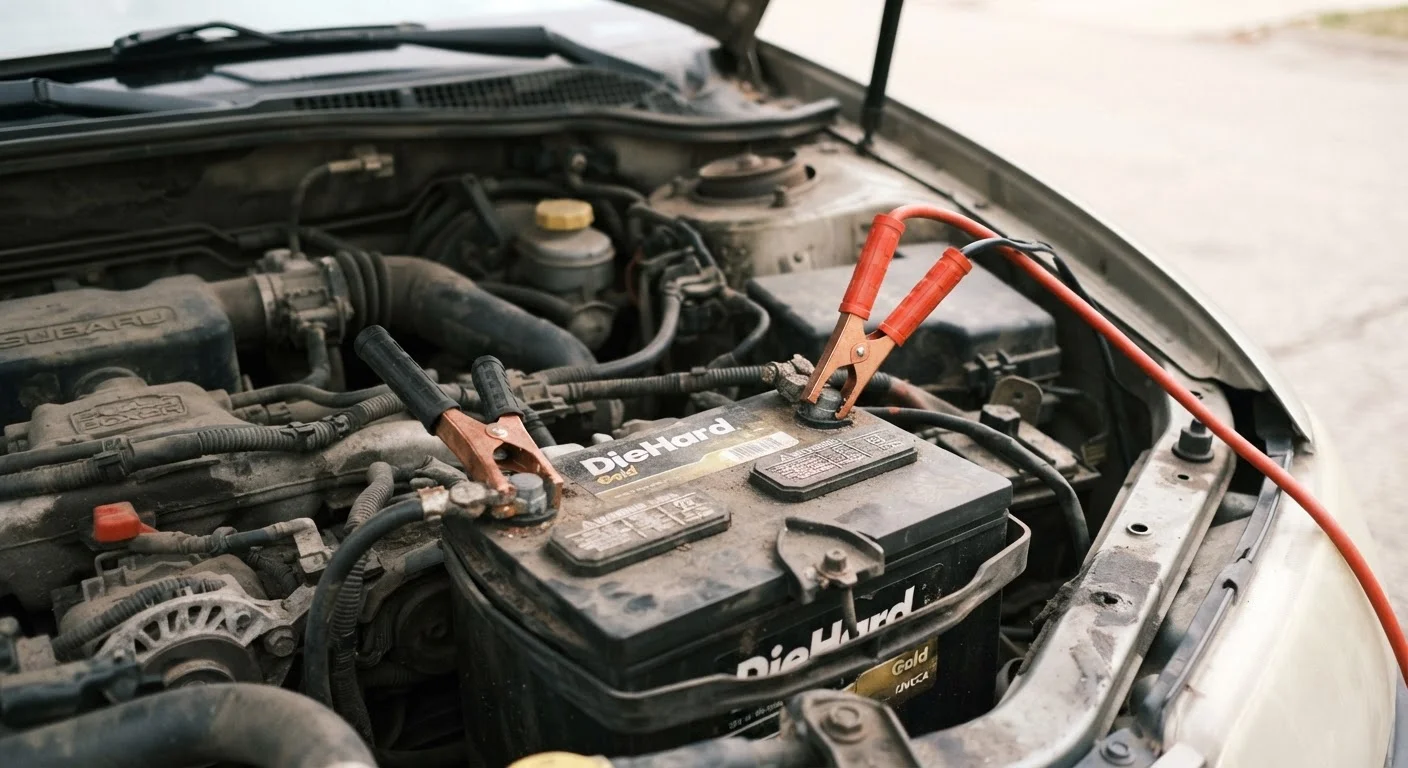
Corrosion on the terminals - that white or blue-green crust you may have noticed - increases electrical resistance. This forces the battery to work harder on every start and makes it harder for the alternator to recharge it efficiently. See your vehicle's maintenance schedule for how often a battery inspection is typically recommended.
Have your battery load-tested annually once it passes the two-year mark.
A voltage reading alone doesn't reveal how much usable capacity remains. A load test applies a controlled electrical demand and measures how the battery responds, giving a far more accurate picture of remaining health. Catching a weakening battery before it fails prevents being stranded.
Keep battery terminals clean and connections tight.
Corrosion increases resistance, meaning the battery must work harder on every start and the alternator has a harder time returning a full charge. Loose connections can cause intermittent failures that are difficult to diagnose and may damage sensitive electronics.
Avoid leaving the vehicle parked and unused for extended periods without a maintenance charger.
Lead-acid batteries self-discharge at a rate of roughly 1-3% per day. A battery left at a low state of charge for weeks undergoes sulfation - sulfate crystals form on the plates - which permanently reduces capacity. A quality maintenance charger (also called a trickle charger) keeps the battery at an optimal charge level without overcharging.
Combine short trips when possible, or take occasional longer drives.
Frequent short-trip driving means the alternator rarely has enough run time to fully recharge what each cold start uses. Over months, this accumulates as chronic undercharging, which accelerates plate degradation.
Turn off all accessories before shutting down the engine.
Accessories draw a brief surge of power when they initialize on startup. Shutting them off before engine-off reduces the load on the battery the next time you start and eliminates any risk of accidental overnight drain.
Warning Signs You Shouldn't Ignore
Most battery failures don't happen without warning. Recognizing the early indicators gives you time to act before you're stranded.
- Slow or labored engine cranking - the engine turns over sluggishly before starting, especially on cold mornings.
- Dimming headlights or interior lights - particularly noticeable at idle, when the alternator output is lowest.
- Dashboard warning light - a battery or charging-system icon that illuminates and stays on.
- Electrical gremlins - intermittent issues with power windows, infotainment, or other systems can sometimes trace back to a weak battery struggling to supply stable voltage.
- Swollen battery case - physical bulging is a sign of excessive heat exposure or overcharging; a battery in this condition should be replaced promptly.
- Age alone - if your battery is approaching or past four years old, have it load-tested even if you haven't noticed symptoms.
Before a long drive, it's worth checking the battery as part of broader trip preparation. Preparing your car for a long road trip covers this and other key checks that can prevent a breakdown far from home.
Habits That Help a Battery Last Longer
Battery longevity isn't just about avoiding bad conditions - it's about building consistent habits that reduce unnecessary stress on the system.
When the battery does eventually need replacement, understanding the basics of your car's overall maintenance needs helps you stay ahead of other wear items at the same time. Understanding your car's maintenance schedule explains how to find and follow your manufacturer's recommendations.
The content on this site is provided for informational purposes only and should not be considered a substitute for professional advice. While we strive to provide accurate and up-to-date information, we make no guarantees regarding its completeness or accuracy. Always consult a qualified professional for advice specific to your circumstances before making any decisions.