

Why a Pre-Purchase Inspection Matters
A pre-purchase inspection (PPI) is a systematic evaluation of a used vehicle conducted by an independent, licensed mechanic before you finalize the purchase. Unlike a seller-provided vehicle history report, which records documented events, a hands-on PPI reveals the car's current physical and mechanical condition - issues that no database can detect.
Used vehicles can carry problems that aren't visible to an untrained eye: frame damage disguised by fresh paint, worn brake components, or a transmission that's beginning to slip. Paying a few hundred dollars for an inspection upfront is a straightforward way to avoid inheriting thousands of dollars in repairs. It also gives you objective data to use in price negotiations.
Keep in mind that even vehicles marketed as certified pre-owned (CPO) have been inspected to manufacturer standards - but those standards and the inspecting technician both work for the seller's interest. For an unbiased assessment, see how CPO programs compare to independent evaluations in our guide on certified pre-owned vs. regular used vehicles.
Schedule the Inspection Before Any Agreement
Make the PPI a firm condition of your interest in the vehicle - not an afterthought. Ideally, arrange the inspection before signing any purchase agreement or putting down a deposit. Many buyers include an inspection contingency in any written offer to protect themselves if the vehicle fails inspection.
What the Inspector Examines
A qualified mechanic performing a PPI will work through the vehicle systematically. Here's what a comprehensive inspection typically covers:
- Body and paint: The inspector checks for uneven panel gaps, overspray, mismatched paint, and signs of prior accident repair or frame straightening.
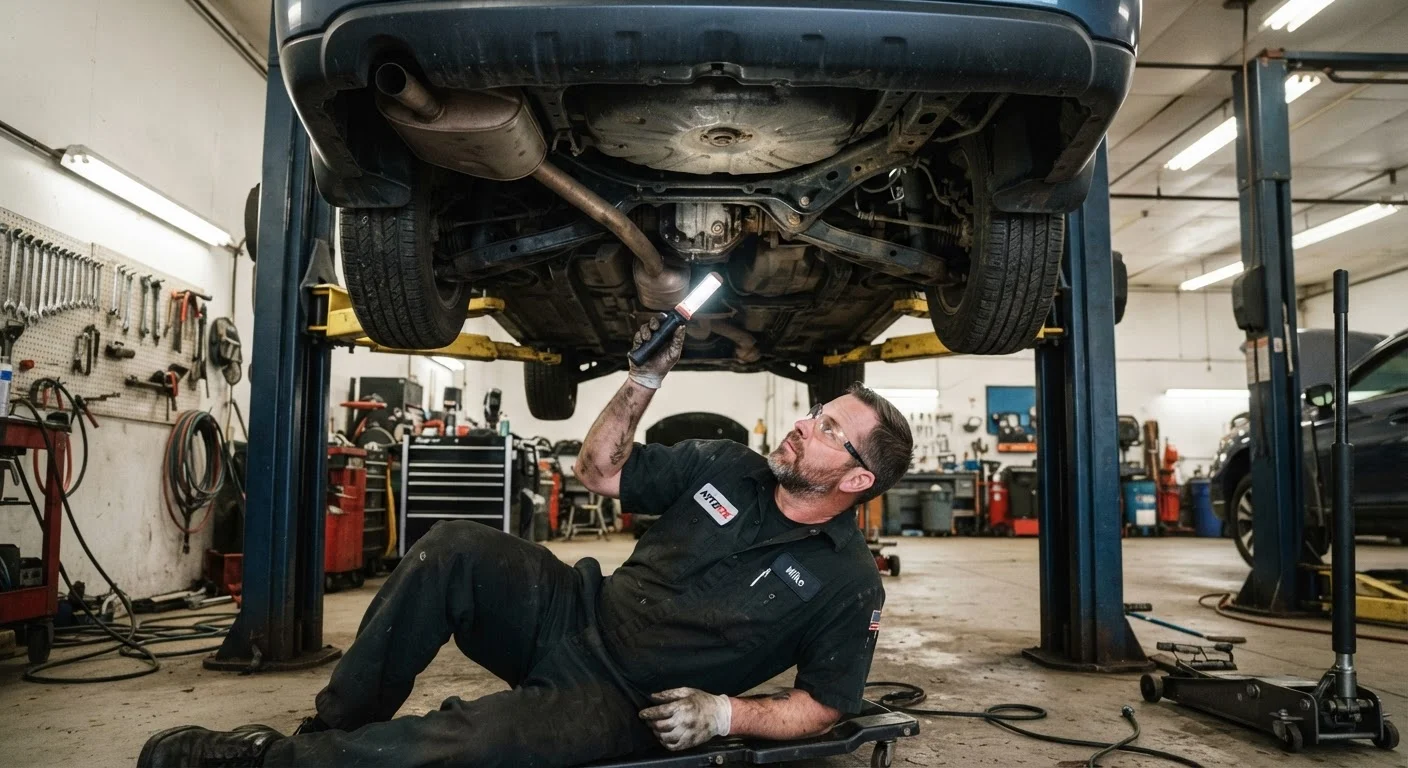
- Undercarriage: With the vehicle raised on a lift, the mechanic examines the frame, floor pans, exhaust system, suspension components, and CV axles for rust, cracks, or impact damage.
- Engine and drivetrain: This includes checking for oil leaks, coolant condition, belt and hose wear, transmission fluid, and any signs of overheating history.
- Brakes: Pad thickness, rotor condition, and brake lines are inspected for wear and corrosion.
- Tires: Tread depth and wear pattern can reveal alignment problems, suspension wear, or improper inflation habits.
- Electrical systems: Lights, power accessories, HVAC, and dashboard warning indicators are all tested.
- OBD-II diagnostic scan: The mechanic connects a scanner to the vehicle's onboard diagnostic port to read any stored or pending fault codes - including codes a seller may have recently cleared.
Once you have the mechanic's written report, understanding the findings is critical. Our guide on how to read a mechanic's estimate can help you interpret the terminology and prioritize what matters most.
A PPI Has Limits
Even a thorough inspection cannot reveal every potential problem. Internal engine wear, intermittent electrical faults, or early-stage transmission issues may not be detectable without extensive disassembly. A PPI significantly reduces your risk but cannot eliminate it entirely - factor this into your purchase decision.
How to Arrange a Pre-Purchase Inspection
Follow these steps to get a reliable, independent inspection before committing to any used vehicle purchase.
Find an Independent Mechanic
Choose a mechanic or repair shop that has no affiliation with the seller or dealership. Ask the seller to allow the vehicle to be transported to your chosen shop. Many dealers and private sellers are accustomed to this request - reluctance or refusal is itself a red flag worth noting.
Arrange Vehicle Transportation to the Shop
Coordinate with the seller on a time to bring the vehicle to the inspection location. In some cases, especially for private sellers, you may need to accompany the seller to the shop or arrange for a short test drive. Confirm the appointment with the mechanic in advance and let them know what type of vehicle they'll be inspecting so they can allocate appropriate time.
Request a Written, Itemized Report
Ask the mechanic explicitly for a written report that documents every system inspected, the condition of each component, and any recommended repairs with estimated costs. Verbal summaries are too easy to misremember or misinterpret when you're negotiating later.
Review the Findings Carefully
Read the full report before speaking with the seller. Separate the findings into two categories: safety-critical issues (brakes, steering, structural damage) and deferred maintenance items (worn wiper blades, cabin air filter). Safety-critical problems require immediate repair costs that should factor directly into your offer or decision to walk away.
Use the Report in Your Negotiation
Share relevant findings with the seller and use the documented repair estimates to support a lower offer, a seller-paid repair, or both. A credible, independent report carries more negotiating weight than a buyer's personal opinion. If the inspection reveals major structural or mechanical issues, it's entirely reasonable - and often wise - to walk away from the deal altogether.
After completing the inspection, weigh the full picture: repair costs, asking price, and your own risk tolerance. For broader context on maintaining any vehicle you purchase, the car maintenance hub covers the essential upkeep practices that protect your investment long-term.
The content on this site is provided for informational purposes only and should not be considered a substitute for professional advice. While we strive to provide accurate and up-to-date information, we make no guarantees regarding its completeness or accuracy. Always consult a qualified professional for advice specific to your circumstances before making any decisions.