

The Core Data Categories in a Report
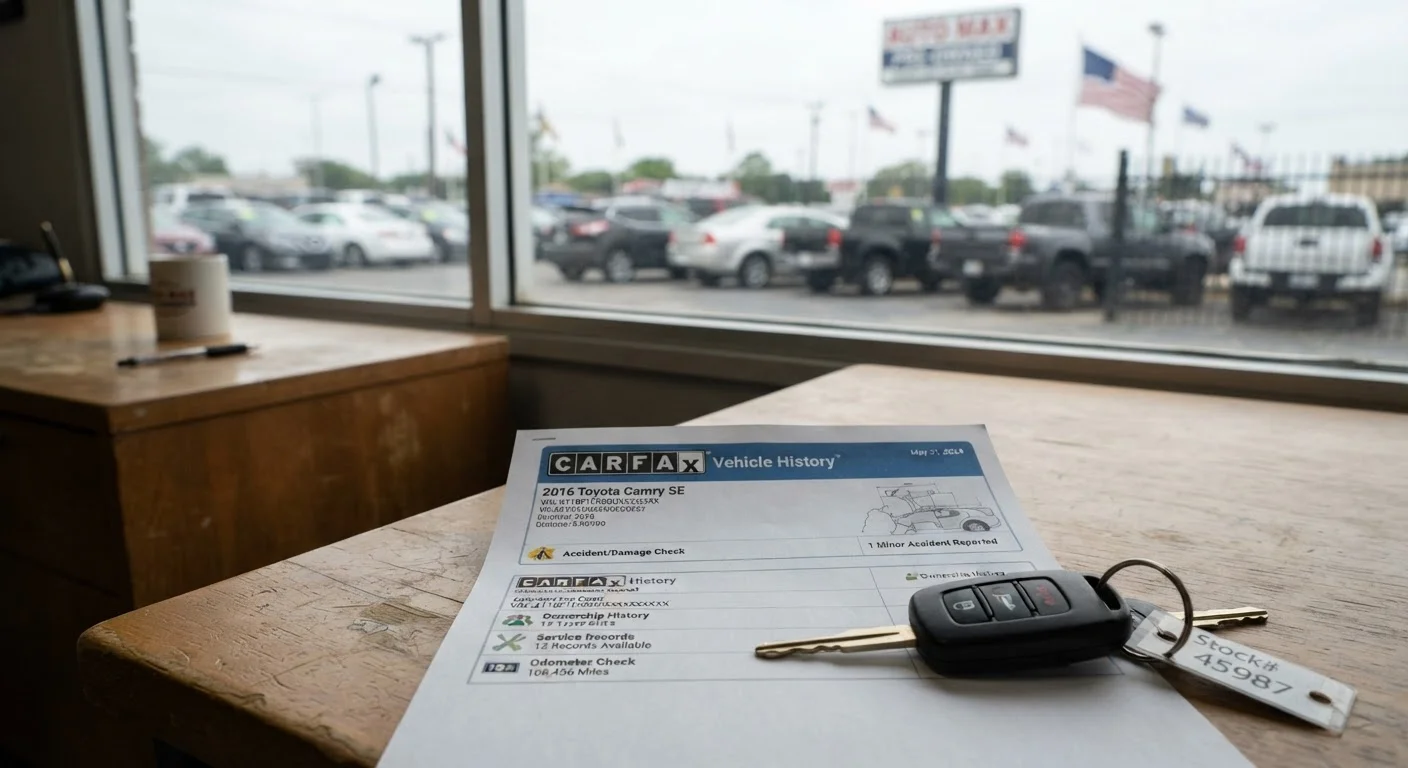
A vehicle history report organizes its data into several distinct categories. Understanding what each one tells you - and what it doesn't - is the most practical way to use these documents.
Title History and Status
This is arguably the most critical section. The title reflects legal ownership and whether the vehicle has been branded with a special designation. Common title brands include:
- Salvage: An insurer declared the car a total loss after an accident, flood, or other event.
- Rebuilt/Reconstructed: A salvage vehicle that was repaired and passed a state inspection to be returned to road use.
- Flood/Water Damage: The vehicle sustained water intrusion significant enough for formal designation.
- Lemon Law Buyback: A manufacturer repurchased the car after it failed to meet quality standards under state lemon laws.
Any of these brands warrants serious caution. Salvage and flood vehicles often carry hidden structural or electrical problems that affect safety long after cosmetic repairs.
Accident and Damage Records
Reports pull accident data from insurance claims and, in some cases, state motor vehicle agencies. A report may note the severity (minor, moderate, major) and which area of the vehicle was affected. However, this data reflects only reported incidents. A fender-bender settled privately between two drivers, with no insurer or police involved, leaves no trail in any database.
Odometer Readings
Reports log mileage recorded at various checkpoints - auctions, inspections, oil changes - across time. Comparing these readings helps identify odometer discrepancies, a red flag for potential fraud.
1 in 5
Used vehicles with a hidden history problem
According to data cited by the National Insurance Crime Bureau, roughly one in five used vehicles may have an undisclosed title or damage issue that affects its value or safety.
17 characters
Length of a standard VIN
Every vehicle sold in the U.S. since 1981 is assigned a standardized 17-character Vehicle Identification Number used to link all history records to that specific car.
~25%
Value reduction for salvage-title vehicles
Industry appraisal guidelines generally estimate salvage or rebuilt-title vehicles are worth 20-40% less than comparable clean-title vehicles, depending on condition and state regulations.
Ownership History
The report shows how many owners a vehicle has had and, in some cases, whether it was used as a personal vehicle, rental, fleet, taxi, or police car. High-turnover ownership or commercial use can affect how a vehicle was maintained.
Service and Maintenance Records
When repair facilities report to the data aggregators, those records appear here. Regular oil changes, scheduled maintenance, and recall completions are positive signals. Gaps in service history or a complete absence of records are worth noting.
Red Flags Worth Pausing On
Not every entry in a vehicle history report demands you walk away - but several patterns should prompt a deeper look or hard negotiation.
- Multiple owners in a short period: Rapid ownership changes may indicate the vehicle has persistent problems.
- Structural or frame damage: Frame damage affects crash safety and alignment, and it can be difficult and expensive to repair correctly.
- Title brand of any kind: Even a rebuilt title carries risk. Insurance on rebuilt-title vehicles can be harder and more expensive to obtain.
- Odometer inconsistency: Mileage that drops between recorded events is a legal violation and a serious warning about seller honesty.
- Long gaps in service records: Could mean deferred maintenance or that records were simply not submitted to the database - worth asking about either way.
Always Get an Independent Mechanical Inspection
Even when a vehicle history report comes back clean, have the car inspected by a qualified mechanic who has no financial relationship with the seller or dealership. A visual and mechanical inspection can surface frame damage, fluid leaks, worn brake components, and other issues that never make it into any database.
Before you even get to the test drive, reviewing the report alongside a list of targeted questions for the seller can help you cross-reference what the seller says against what the data shows.
What a Vehicle History Report Cannot Tell You
Reports are valuable but structurally limited. Understanding those limits prevents overconfidence in a clean report.
Unreported incidents: Private damage settlements, cash-pay body shop repairs, and minor accidents that were never filed with an insurer are completely invisible to reporting databases. A car can look pristine on paper while hiding significant unibody damage.
Mechanical condition: The report tells you what happened to the car historically - not the current state of the engine, transmission, brakes, or suspension. A vehicle with a clean history can still have worn components that need immediate attention.
Quality of repairs: Even when a reported accident is on file, the report doesn't evaluate whether the repair work was performed correctly or to manufacturer standards.
This is why a vehicle history report should function as a screening tool, not a final verdict. Think of it similarly to how a home inspection report flags known issues but cannot expose every hidden problem behind walls or under a slab. Always follow up a clean report with a pre-purchase mechanical inspection by an independent, qualified mechanic - not one affiliated with the seller.
Additionally, keep an eye on your dashboard after purchase. Knowing what your dashboard warning lights mean gives you early warning of issues that no paper record could have predicted.
A vehicle history report is one layer of due diligence, not the whole process. Used alongside an in-person inspection and informed seller conversations, it gives you a meaningful head start on making a confident, well-grounded decision.
Frequently Asked Questions
A vehicle history report typically includes accident records, title status, odometer readings, number of previous owners, service and maintenance records, and whether the vehicle was ever used as a rental or fleet car. Coverage varies by provider and by how thoroughly data was submitted to reporting databases.
No. If an accident was never reported to an insurer or law enforcement, it will not appear in the report. This is one of the most significant limitations, which is why a physical pre-purchase inspection by a qualified mechanic remains important.
A salvage title means an insurance company declared the vehicle a total loss - typically because repair costs exceeded a set percentage of the car's value. Salvage-title vehicles may be unsafe, harder to insure, and worth significantly less at resale.
You need the vehicle's 17-character VIN, which is found on the dashboard (driver's side), the door jamb sticker, or the vehicle title. Several services compile this data for a fee; some dealerships provide reports as part of the sales process.
A clean report is a good sign but should not be the only check you perform. Have an independent, qualified mechanic inspect the vehicle before purchase to catch mechanical issues and evidence of unreported damage that won't show up in any database.
An odometer rollback is the illegal practice of reducing the displayed mileage to make a vehicle appear less worn. Vehicle history reports often flag odometer discrepancies by comparing readings recorded at inspections, auctions, or service visits over time, which can reveal suspicious patterns.
The content on this site is provided for informational purposes only and should not be considered a substitute for professional advice. While we strive to provide accurate and up-to-date information, we make no guarantees regarding its completeness or accuracy. Always consult a qualified professional for advice specific to your circumstances before making any decisions.