

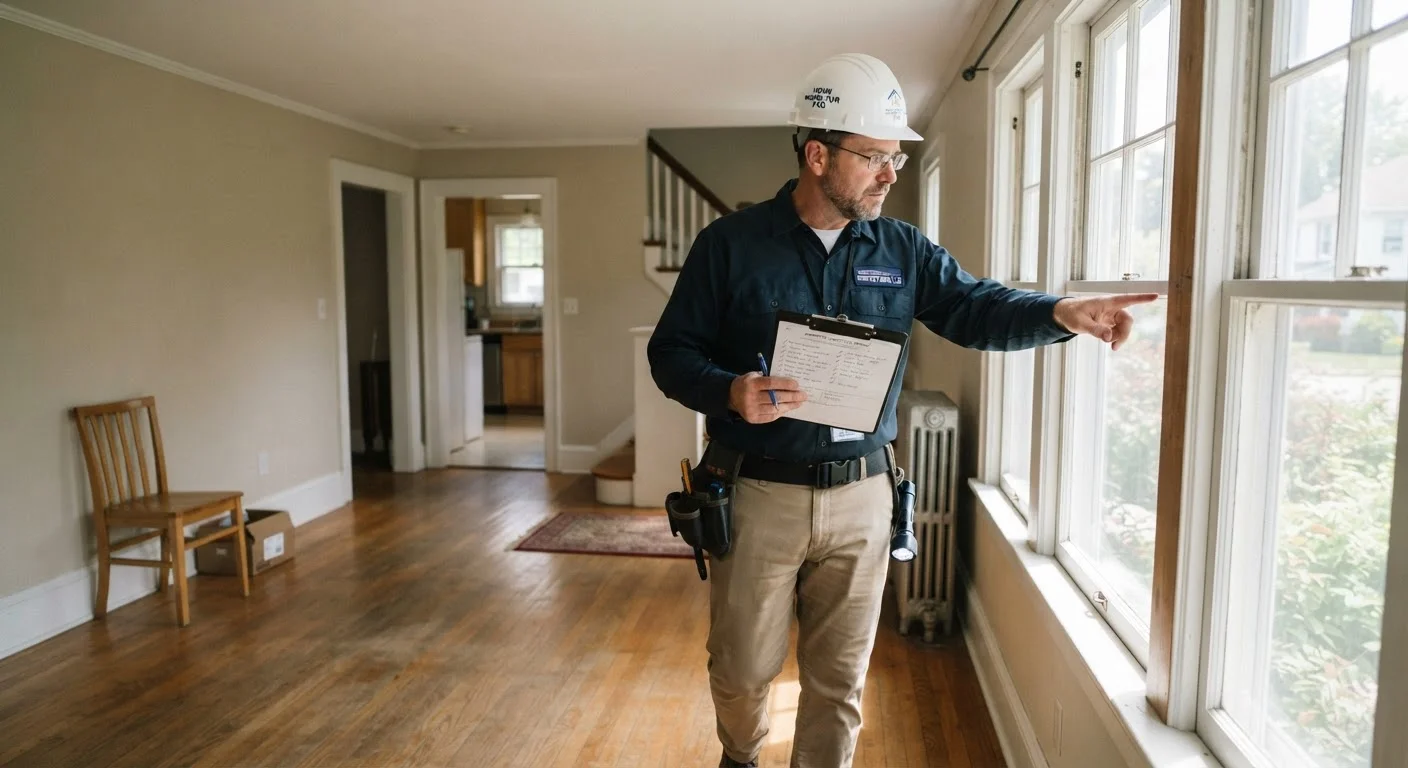
How Inspection Reports Are Structured
Most home inspection reports follow a consistent format organized by the home's major systems and components: roofing, exterior, foundation, structural elements, electrical, plumbing, HVAC, insulation, interior spaces, and sometimes appliances. Each section describes what the inspector observed, flags conditions of concern, and often includes photos for reference.
Within each section, findings are typically sorted by severity. You'll commonly see labels such as Safety Hazard, Major Defect, Maintenance Item, or Monitor. These distinctions matter enormously. A safety hazard - say, an electrical panel with double-tapped breakers - demands prompt attention. A maintenance item like a slow-draining bathroom sink is routine upkeep, not a red flag.
Reports also include a summary section at the front or back that consolidates the most significant findings. Start there, but don't stop there. The summary is a navigation tool, not a substitute for reading the full report.
What Inspectors Are Not Required to Assess
Standard home inspections do not typically include testing for mold, radon, lead paint, asbestos, sewer line condition, or underground oil tanks. These require separate, specialized assessments. If a property's age, location, or visible conditions suggest any of these concerns, discuss ordering additional testing with your real estate professional before closing.
What the Language Actually Means
Inspectors are trained to describe what they observe without speculating on causes or projecting costs. That measured language can feel frustratingly vague. Phrases like "evidence of past moisture intrusion" or "recommend evaluation by a licensed contractor" are intentional - they reflect the inspector's scope, not evasiveness.
When a report says "recommend further evaluation," that's a signal to hire a specialist. A general inspector isn't a licensed structural engineer, plumber, or electrician. Their job is to identify indicators of a problem; a specialist's job is to diagnose it and estimate repair costs. Don't interpret a referral as alarm - interpret it as a next step.
Similarly, the phrase "at the time of inspection" is significant. Inspectors document what was visible and accessible on the day they visited. Conditions change. A roof that showed no leaks during a dry month may perform differently in heavy rain.
Bring Your Own Questions to the Walkthrough
If you attend the inspection - and you should - come prepared with specific questions about areas of concern you noticed during showings. Inspectors can elaborate verbally on nuances that don't always translate fully into written report language. Ask what they'd prioritize if it were their own purchase decision.
Prioritizing Findings: What Moves the Needle
First-time buyers often react to the sheer volume of items in a report - it's common to see 30 or 40 entries even on a well-maintained property. Context is everything. A 20-year-old water heater flagged as near end of life is not the same crisis as active water damage in a crawl space.
Use this rough framework when reviewing findings:
- Act now: Safety hazards (exposed wiring, missing smoke detectors, gas leaks, radon above EPA action levels), structural failures, or active water intrusion.
- Negotiate or plan: Major systems that are aging or impaired - HVAC units, roofing within a few years of typical lifespan, plumbing that shows significant wear.
- Budget for maintenance: Items flagged as routine upkeep - caulking, weatherstripping, minor grading issues.
- Monitor over time: Conditions the inspector noted but deemed stable, which bear watching in future checkups.
For buyers purchasing older homes in particular, annual inspections after closing can help catch slow-developing problems before they escalate into major repairs.
Using the Report as a Negotiation Tool
An inspection report isn't just information - it's leverage, if used appropriately. Buyers have several options after receiving a report: request that the seller repair specific items before closing, ask for a price reduction to offset repair costs, negotiate a closing credit, or in serious cases, exercise a contractual right to withdraw from the transaction.
Focus negotiation efforts on items that are material to safety or structural integrity, not on the full list of minor issues. Sellers - and their agents - are more likely to engage constructively when the request is proportionate and supported by specific report language. Attaching relevant pages or photos from the report to a repair request adds credibility.
~86%
Buyers who hire a home inspector
According to the American Society of Home Inspectors, the vast majority of homebuyers in the U.S. commission an inspection before closing.
2-4 hours
Typical inspection duration
The inspection of an average-sized single-family home generally takes between two and four hours, depending on the property's age, size, and condition.
$300-$500
Median cost of a home inspection
Costs vary by region and property size; larger or older homes may cost more to inspect, according to general industry guidance.
Keep in mind that what's negotiable depends heavily on local market conditions. In a competitive seller's market, asking for repairs on minor items may jeopardize goodwill. Prioritize accordingly, and consult your real estate attorney or agent before submitting a repair request based on inspection findings.
Frequently Asked Questions
No. An inspection report documents conditions but does not issue a pass or fail judgment. It's a tool to help you understand what you're buying, not a directive to walk away. Your real estate agent, attorney, and personal risk tolerance should guide your final decision.
Safety hazards (such as faulty wiring or carbon monoxide risks), structural deficiencies (foundation cracks, roof damage), and failing major systems (HVAC, plumbing, electrical panels) are generally the highest-priority findings. Cosmetic issues like worn paint or dated fixtures are lower priority.
Yes. Buyers commonly use inspection findings to request that sellers make repairs, reduce the sale price, or offer a credit at closing. The strength of your negotiating position depends on the market, the severity of findings, and the terms of your purchase contract.
No. Inspectors typically categorize findings by urgency - safety hazards, major defects, and maintenance items. Reading these distinctions carefully helps you focus on what genuinely affects the home's safety, value, and livability.
Inspectors perform a visual examination of accessible areas and systems. They do not open walls, inspect inside pipes, or assess areas that are blocked or inaccessible. Specialized inspectors - for mold, radon, or sewer lines - may be needed for a more complete picture.
Attending is strongly advisable. Walking through the property with the inspector lets you ask questions in real time, understand the severity of issues firsthand, and gain context that the written report alone may not fully convey.
The content on this site is provided for informational purposes only and should not be considered a substitute for professional advice. While we strive to provide accurate and up-to-date information, we make no guarantees regarding its completeness or accuracy. Always consult a qualified professional for advice specific to your circumstances before making any decisions.