

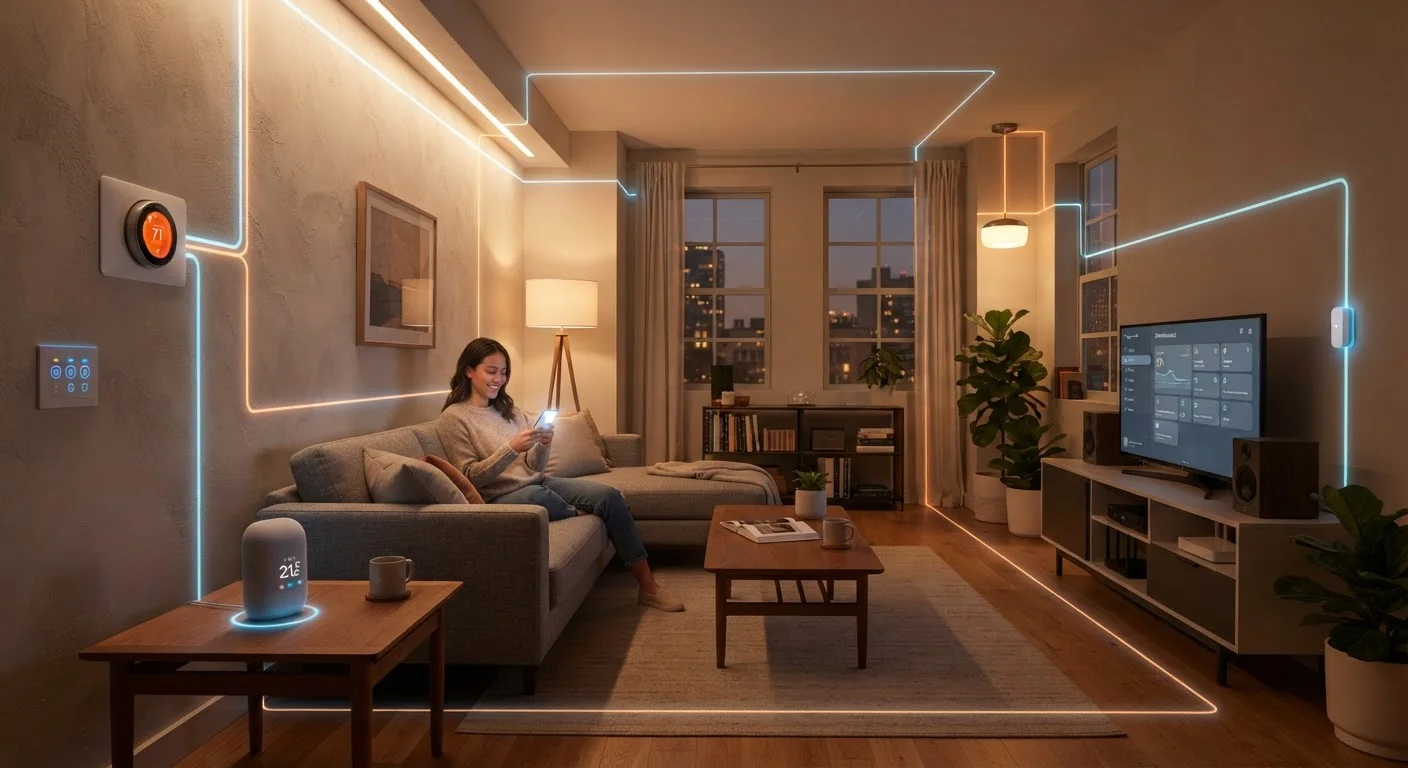
Why Smart Devices Don't Always Play Together
Smart home technology has grown quickly, but the industry spent years building competing, incompatible ecosystems before converging on common standards. The result is a market where a light bulb from one brand might not respond to a hub from another — even if both claim to be 'smart.' Understanding why this happens is the first step to building a setup that actually works.
At the core of the problem is protocol fragmentation. Different device categories evolved using different wireless communication methods. Lighting often used Zigbee. Locks leaned toward Z-Wave. Most budget devices connected over Wi-Fi but only through proprietary apps. None of these spoke to each other natively.
The industry is moving toward a standard called Matter — backed by major platform owners — that aims to let certified devices work across ecosystems without workarounds. Adoption is growing, but it's not universal yet, and plenty of devices on the market today predate it. For a deeper look at what smart devices are collecting while they operate, see our article on what data smart home devices actually collect.
What you will need
What You'll Need Before Getting Started
A reliable home network is the foundation of any smart home setup. Most smart devices require a 2.4 GHz Wi-Fi band — a frequency many modern routers support alongside the faster 5 GHz band. Problems arise when a router broadcasts both bands under a single network name, confusing devices that can only join 2.4 GHz. Check your router settings and, if needed, separate the bands with distinct names before pairing devices.
Smart Home Platform App
Central control app (Google Home, Amazon Alexa, or Apple Home) used to add, organize, and automate devices.
Hub or Bridge Device
Translates communication protocols like Zigbee or Z-Wave so those devices can connect to your Wi-Fi-based platform.
Home Router Admin Access
Needed to assign stable IP addresses or troubleshoot devices that drop off the network.
If you're planning to add a smart thermostat to your setup, our guide on how smart thermostats use scheduling and learning modes explains how those devices fit into a broader automated home.
Step-by-Step: Connecting Your Devices
Follow these steps in order. Skipping ahead — particularly by adding many devices at once before testing — is the most common source of frustration in smart home setups.
Check Compatibility Before You Buy
Many smart home devices advertise broad compatibility but work fully only within their own ecosystem. Always verify that a new device explicitly lists support for your chosen platform before purchasing. Return policies on opened electronics vary widely, so doing this research upfront can save real frustration and expense.
Identify What Protocol Each Device Uses
Before anything else, find out how each of your smart devices communicates. The four most common protocols are:
- Wi-Fi — connects directly to your router; easiest to set up but can crowd your network.
- Zigbee — low-power mesh network; requires a compatible hub to bridge to your router.
- Z-Wave — similar to Zigbee, with slightly longer range; also requires a hub.
- Matter — a newer open standard designed to work across platforms natively over Wi-Fi or Thread.
This information is usually printed on the box or listed on the manufacturer's website under specifications.
Choose and Commit to One Primary Ecosystem
The three dominant smart home platforms in the U.S. are Google Home, Amazon Alexa, and Apple HomeKit. Each works best with devices explicitly certified for it. Mixing platforms is possible but adds complexity — automations often don't cross ecosystem boundaries cleanly.
Consider which voice assistant you already use most, and which devices you already own. That's usually the clearest signal for which platform to build around. See our guide to smart speakers and voice assistants for help evaluating those differences.
Add a Hub If Your Devices Require One
If any of your devices use Zigbee or Z-Wave, you'll need a compatible hub to bring them into your chosen platform. Some smart home hubs support both protocols. Once a hub is set up and connected to your router, it acts as a translator — your platform app sees the hub's devices as if they were standard Wi-Fi devices.
Place the hub centrally in your home if possible. Zigbee and Z-Wave devices form a mesh network, so the hub's location can affect how reliably signals reach devices in far rooms.
Add Devices One at a Time Through the Platform App
Open your platform's app and use its device-pairing flow. Add one device, confirm it works correctly, and then move to the next. This approach isolates problems — if something goes wrong, you'll know exactly which device is the issue rather than wondering which of five devices you just added is causing trouble.
Assign each device to a named room inside the app. This matters for voice commands and for building automations later.
Test Cross-Device Automations
Once individual devices are working, try a simple automation that links two of them — for example, turning on a smart light when a motion sensor triggers. Use your platform's built-in automation or routine builder for this. If the automation doesn't fire reliably, check that both devices are assigned to the same home and room in the app, and that neither device has gone offline.
For renters or those with specific setup constraints, our article on smart home automation for renters covers which device types work best without permanent installation.
Troubleshoot Devices That Drop or Fail to Respond
The most common issues are: device too far from the router or hub, 2.4 GHz and 5 GHz Wi-Fi bands sharing the same network name (some devices can't distinguish them), or a device needing a firmware update. Start by power-cycling the device and checking the app for an update prompt. If dropouts persist, consider assigning a static IP address to the device through your router settings to prevent it losing its network address.
Start Small, Then Expand
Pick one room or one device category — lighting is often the easiest — and get that working reliably before adding more devices. Troubleshooting a small, manageable setup is far easier than untangling a house full of half-connected gadgets. Patience at the start pays off later.
What to Do When Things Still Don't Work
Even well-planned setups hit snags. A few patterns account for most persistent problems:
- Network congestion: Too many Wi-Fi devices on a single router can cause slow or dropped responses. Consider a mesh Wi-Fi system or a dedicated IoT network segment if you have more than 15–20 connected devices.
- Platform account issues: Devices linked to a platform through a third-party account (e.g., a brand's own app connected via OAuth) can lose their link when passwords change or tokens expire. Re-linking accounts in the platform app usually fixes this.
- Firmware lag: Manufacturers sometimes push updates that temporarily break integrations. Checking community forums for your specific device and platform combination can reveal whether a known issue is in progress.
Older Devices May Not Support Matter
Matter compatibility is not guaranteed through firmware updates for every existing device. Some older smart home hardware simply cannot be upgraded to support newer standards. Before assuming a device you already own will work with a Matter-based setup, check the manufacturer's official support page for update status.
Patience genuinely matters here. Smart home troubleshooting is iterative — most problems have solutions, but they often require methodical elimination rather than a single fix.
The content on this site is provided for informational purposes only and should not be considered a substitute for professional advice. While we strive to provide accurate and up-to-date information, we make no guarantees regarding its completeness or accuracy. Always consult a qualified professional for advice specific to your circumstances before making any decisions.