

What a Standard Policy Typically Covers
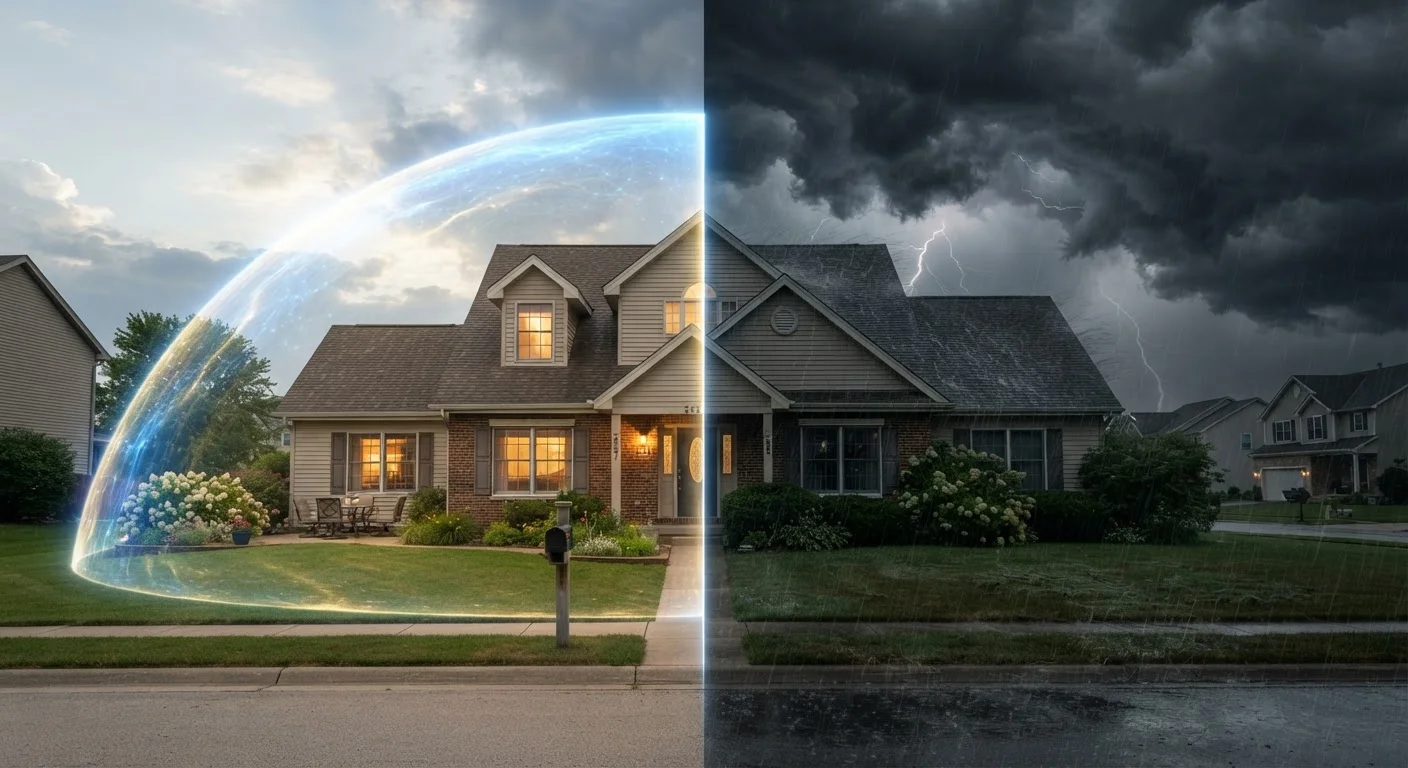
A standard homeowners insurance policy - most commonly an HO-3 form - is organized into several distinct coverage categories, each serving a different purpose.
- Dwelling coverage (Coverage A): Pays to repair or rebuild the physical structure of your home - walls, roof, foundation - if damaged by a covered peril such as fire, lightning, windstorm, or vandalism.
- Other structures (Coverage B): Extends protection to detached garages, fences, and sheds, usually at 10% of your dwelling coverage limit.
- Personal property (Coverage C): Covers your belongings - furniture, electronics, clothing - against named perils like theft or fire, subject to sub-limits on certain categories.
- Loss of use (Coverage D): Pays for temporary living expenses, such as hotel stays and meals, if a covered loss makes your home uninhabitable during repairs.
- Personal liability (Coverage E): Covers legal fees and judgments if someone is injured on your property or you accidentally cause damage to another person's property.
- Medical payments (Coverage F): Pays limited medical bills for guests injured on your property, regardless of fault - typically between $1,000 and $5,000.
Understanding how your payout is calculated matters as much as what is covered. See our guide to replacement cost vs. actual cash value to understand how these two valuation methods can produce very different outcomes after a claim.
~6%
U.S. homeowners who filed an insurance claim in a given year
According to Insurance Information Institute data, a relatively small share of homeowners file claims annually, but the average claim payout is substantial when they do.
$13,000+
Average homeowners insurance claim payout
The Insurance Information Institute reports that the average claim, when filed, often exceeds $13,000 - underscoring the financial importance of adequate coverage limits.
~40%
Flood-damaged homes outside high-risk FEMA zones
FEMA has noted that a significant portion of flood insurance claims come from properties not located in designated high-risk flood zones, highlighting the broad relevance of flood coverage.
Common Exclusions That Surprise Homeowners
The exclusions section of a homeowners policy is where many policyholders are caught off guard - often after a loss has already occurred.
Floods and Surface Water
Flood damage is the single most common coverage gap. A standard homeowners policy will not pay for water entering your home from the ground up due to heavy rain, storm surge, or an overflowing river. Coverage must be obtained through the National Flood Insurance Program or a private insurer - and policies typically include a 30-day waiting period before taking effect.
Earthquakes and Earth Movement
Damage from earthquakes, landslides, and sinkholes is excluded from standard policies. Separate earthquake insurance is available in most states, and is particularly relevant for homeowners in high-seismic-risk regions.
Sewer and Drain Backups
If a sewer line backs up into your basement, a standard policy will not cover the resulting damage. Many insurers offer a water backup endorsement as an add-on for a modest additional premium.
Maintenance-Related Damage
Insurers expect homeowners to maintain their properties. Damage from gradual deterioration, pest infestations, dry rot, or neglected repairs is consistently excluded. This includes most mold damage not tied directly to a sudden, covered water event.
“People buy homeowners insurance and assume they're fully protected, but the policy is really a contract with specific terms. What's excluded matters just as much as what's included - often more so, because exclusions are where the real financial exposure lives.”
— Amy Bach, Executive Director, United Policyholders - a nonprofit consumer advocacy organization focused on insurance education
Before purchasing or renewing a policy, it is worth reviewing what a home inspection can and cannot reveal - deferred maintenance found during an inspection could become an uninsured loss later.
Coverage Gaps for High-Value and Specialty Items
Personal property coverage carries important sub-limits that often go unnoticed until a claim is filed.
Most standard policies cap coverage for jewelry at $1,000-$1,500 per occurrence, regardless of your total personal property limit. Similar restrictions apply to furs, fine art, silverware, firearms, and collectibles. If the replacement value of these items exceeds your policy's sub-limits, a scheduled personal property endorsement (sometimes called a floater) provides itemized coverage at an agreed or appraised value - often without a deductible.
Home-based businesses also fall into a frequent gap. Business equipment beyond minimal coverage limits and any business-related liability are typically excluded from standard policies. A separate business owner's policy or an in-home business endorsement is generally required.
Understanding these gaps is central to the broader financial reality of homeownership. Our article on the true monthly cost of owning a home explores how insurance fits into the full picture of ongoing housing expenses.
This article is for general informational purposes only and does not constitute insurance or legal advice. Coverage terms, limits, and exclusions vary by insurer and state. Consult a licensed insurance professional to review your specific policy and needs.
Frequently Asked Questions
Standard homeowners insurance does not cover flood damage from external water sources such as overflowing rivers, storm surge, or heavy rainfall. Flood coverage must be purchased separately, either through the National Flood Insurance Program (NFIP) or a private flood insurer.
Mold coverage depends on the cause. If mold results from a covered event - such as a burst pipe - some policies may cover remediation up to a limit. Mold caused by ongoing moisture problems, poor maintenance, or neglect is almost universally excluded.
Standard policies cover personal property theft, but most cap jewelry losses at $1,500 or less per occurrence. If you own valuable jewelry, adding a scheduled personal property endorsement provides broader, item-specific coverage at an agreed value.
Liability coverage pays for legal defense and damages if someone is injured on your property or if you accidentally damage someone else's property. Standard policies typically include $100,000 in liability coverage, though higher limits are generally available.
In most cases, a standard homeowners policy offers very limited or no coverage for business equipment or liability connected to a home-based business. Separate business insurance or an endorsement is usually needed.
If a roof is damaged by a covered peril - such as a hailstorm or wind - insurance typically applies. Deterioration from age and lack of maintenance is excluded. Some insurers also limit payout on older roofs to actual cash value rather than full replacement cost.
The content on this site is provided for informational purposes only and should not be considered a substitute for professional advice. While we strive to provide accurate and up-to-date information, we make no guarantees regarding its completeness or accuracy. Always consult a qualified professional for advice specific to your circumstances before making any decisions.