

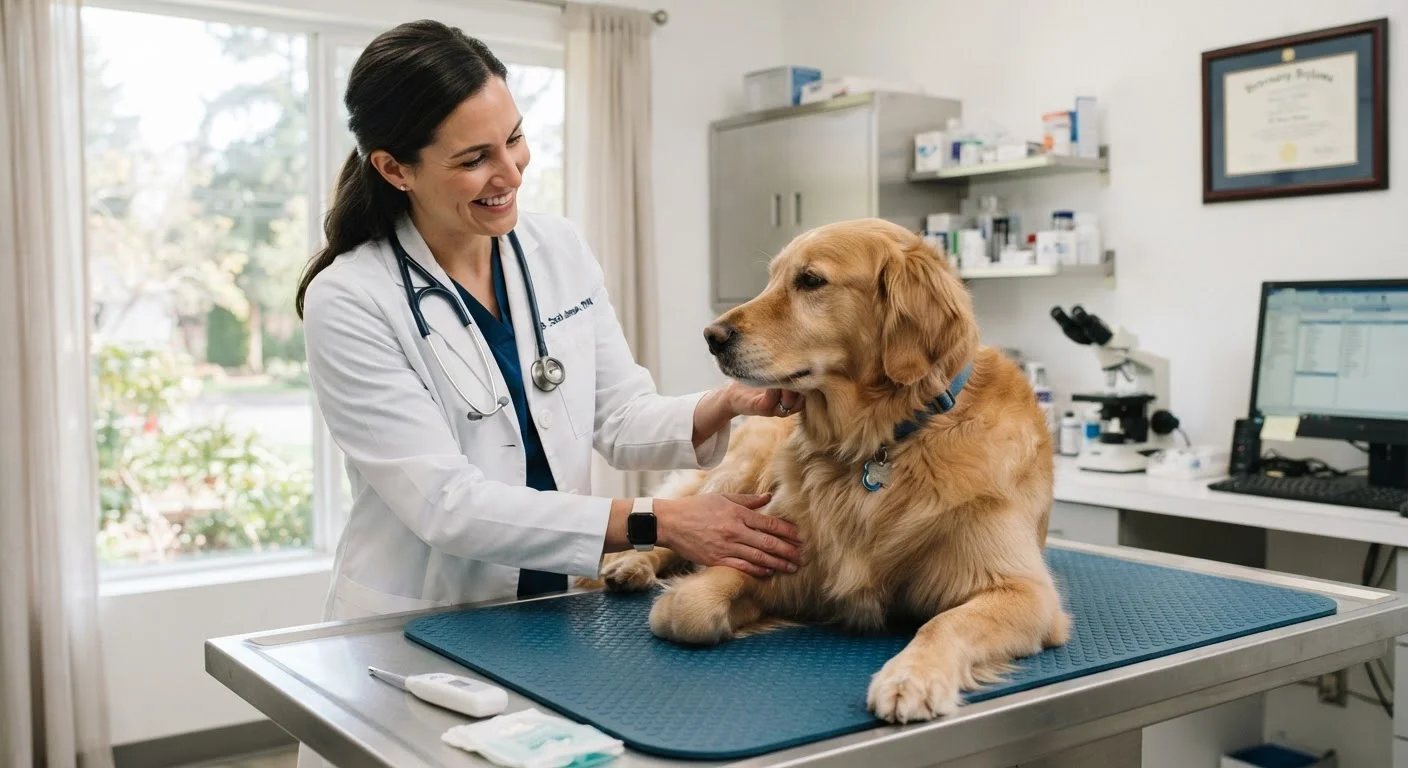
More Than a Checkup: What Vets Are Actually Doing
Many pet owners think of the annual vet visit primarily as a time to update vaccinations. In reality, the physical examination itself is the centerpiece of the appointment - and it covers far more ground than most people realize.
A thorough wellness exam typically includes evaluation of the eyes, ears, nose, mouth and teeth, skin and coat, lymph nodes, heart and lungs, abdomen, musculoskeletal system, and neurological reflexes. The vet will also record body weight and body condition score, which is a standardized measure of whether a pet is underweight, healthy, or overweight.
Throughout the exam, the veterinarian is building or updating a health baseline for your specific animal. Subtle changes - a slight heart murmur, mild joint stiffness, early gum recession - are easiest to catch when a vet has prior exam records to compare against. For a deeper look at what signs to track between visits, see this monthly at-home health check routine owners can use to notice changes early.
70%
Pets showing dental disease by age 3
According to the American Veterinary Medical Association, periodontal disease is among the most common conditions diagnosed in dogs and cats.
2x/year
Recommended exam frequency for senior pets
Many veterinary guidelines suggest that pets over age 7 benefit from biannual wellness exams to catch age-related changes sooner.
60%
U.S. pets classified as overweight or obese
The Association for Pet Obesity Prevention has consistently reported that more than half of domestic dogs and cats in the U.S. carry excess body weight.
Key Systems Evaluated - and Why Each One Counts
Heart and lungs: Vets use a stethoscope to listen for irregular rhythms, murmurs, or abnormal breath sounds. Heart disease in dogs and cats often progresses silently for months before clinical signs appear.
Mouth and teeth: Dental disease is one of the most underdiagnosed conditions in companion animals. Vets check for tartar buildup, gum inflammation, tooth fractures, and signs of periodontal disease. As discussed in this overview of dental disease in pets, the consequences can extend well beyond the mouth.
Eyes and ears: Cloudiness, discharge, redness, or abnormal odors can indicate infections, allergies, or age-related changes. Early cataracts and ear mites are frequently caught here.
Abdomen: Palpating the abdomen helps vets assess organ size and detect masses, fluid, or discomfort that wouldn't be visible externally.
Skin and coat: The condition of a pet's coat often reflects overall health. Vets look for lumps, parasites, hair loss, and inflammation.
Weight and body condition: Obesity is a significant health risk for pets. Even small weight changes between visits can prompt a meaningful conversation about diet and exercise.
Before the Appointment, Write It Down
Jot down any changes in your pet's eating, drinking, energy, or bathroom habits over the past few months - even if they seem minor. Vets can only act on the history you provide, and small details often matter. Keeping brief notes between visits makes this much easier to recall accurately.
Vaccinations, Parasite Prevention, and Lab Work
Preventive care updates are typically coordinated during wellness visits. Whether vaccines are due depends on your pet's age, prior vaccination history, lifestyle, and geographic risk factors. Not all vaccines are appropriate for every animal - your vet will discuss which are considered core and which are optional based on individual risk. Understanding core vs. non-core vaccines can help you go into that conversation prepared.
Fecal testing for intestinal parasites and heartworm screening (in dogs) are also commonly recommended during annual visits. Some practices include blood panels - particularly for senior pets - to screen for kidney disease, liver function, thyroid levels, and blood sugar.
For a broader look at how these elements fit together, this plain-language overview of routine veterinary care covers what each type of preventive measure involves and why it matters.
Your Role in the Visit: What Owners Should Bring and Share
The physical exam is only part of the picture. Veterinarians also rely heavily on the history you provide. Before the appointment, take note of any behavioral changes - shifts in appetite, activity level, sleep patterns, thirst, or litter box habits. These observations are clinically valuable, especially since pets can't describe their own symptoms.
If you've noticed anything unusual between visits, this symptom checklist can help you organize your observations by urgency level before speaking with your vet.
Bring a list of all current medications, supplements, and flea or tick prevention products. If you're visiting a new practice, prior records will help the new vet establish context quickly. First-time pet owners can also benefit from reviewing what to prepare before a new pet's first appointment.
“The annual exam is the single most important tool we have for catching disease early in animals that can't tell us when something is wrong. What owners often don't realize is how much information a thorough physical provides - even without any lab work.”
— Dr. Marty Becker, Veterinarian and founder of Fear Free Pets
This article is for general informational purposes only and does not constitute veterinary medical advice. Always consult a licensed veterinarian regarding your pet's individual health needs.
Frequently Asked Questions
Most healthy adult dogs and cats benefit from a wellness exam once a year. Puppies, kittens, senior pets, and animals with chronic conditions often need visits every six months. Your veterinarian can recommend the right schedule based on your individual pet's age and health status.
Bring any prior medical records if you're visiting a new clinic, a fresh fecal sample if your vet has requested one, and a list of any behavioral or physical changes you've noticed. Note your pet's current diet, medications, and supplements as well.
No - vaccinations are only one component of a wellness visit. The exam includes a full physical evaluation covering the heart, lungs, eyes, ears, skin, joints, teeth, and more. Vaccinations may or may not be due at every appointment.
If the vet identifies a concern, they'll typically discuss it with you before recommending next steps, which may include diagnostic tests, a referral, or a follow-up visit. Finding issues early usually means more treatment options and better outcomes.
Yes. Indoor pets can develop dental disease, obesity, organ dysfunction, and other conditions that aren't visible without a physical exam. Many health changes are internal and show no obvious symptoms until they're advanced.
Appearing healthy doesn't mean a pet is free of developing health issues. Many conditions - including kidney disease, heart murmurs, and early dental disease - have no obvious outward signs. Regular exams are one of the most reliable tools for catching problems before they become serious.
The content on this site is provided for informational purposes only and should not be considered a substitute for professional advice. While we strive to provide accurate and up-to-date information, we make no guarantees regarding its completeness or accuracy. Always consult a qualified professional for advice specific to your circumstances before making any decisions.