

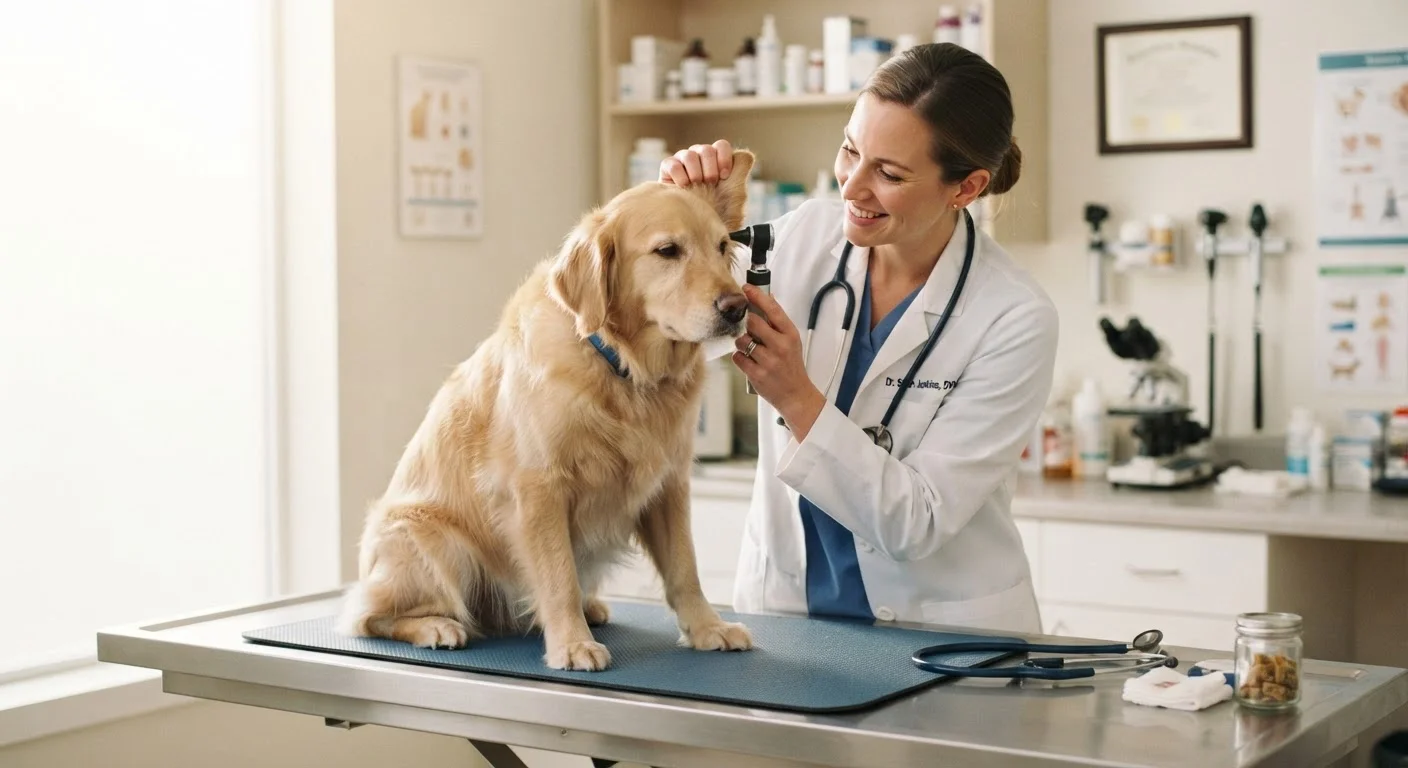
What a Wellness Exam Actually Involves
Many pet owners assume a routine vet visit is mostly about shots. In reality, vaccinations are just one piece of a structured physical evaluation that covers your pet from nose to tail. A standard wellness exam typically begins with a weight check and body condition score - a standardized assessment that helps identify both underweight and overweight animals, since obesity is one of the most common and preventable health issues in companion animals.
From there, your veterinarian will examine the eyes for discharge, cloudiness, or signs of pressure changes; the ears for infection, mites, or chronic inflammation; and the mouth and teeth for tartar buildup, gum disease, and tooth resorption. Dental disease affects the majority of dogs and cats by age three, yet it's frequently painless in early stages - making visual assessment during an exam one of the few ways to catch it before it requires surgical intervention.
The vet will also listen to the heart and lungs with a stethoscope, palpate the abdomen to assess organ size and detect unusual masses, check lymph nodes for swelling, and evaluate skin, coat, and muscle condition. Joints are assessed for mobility and pain responses, which is especially relevant in older or larger-breed animals. See our detailed breakdown of each exam component for a more thorough look at what each assessment reveals.
Prepare Before the Appointment
Write down any changes in your pet's behavior, appetite, weight, or bathroom habits in the weeks before the visit. Even small observations - like your dog drinking more water or your cat grooming less - can give your vet clinically useful information. Bringing a stool sample is also worth asking about when you schedule the appointment, as many clinics screen for intestinal parasites during wellness visits.
Beyond the Physical: What Vets Discuss and Why It Matters
The exam itself is only part of the visit. Veterinarians use wellness appointments to have targeted conversations about nutrition, behavior, reproductive health, and lifestyle - factors that don't show up on a stethoscope but significantly affect long-term outcomes. A vet might ask about changes in water intake, litter box habits, sleep patterns, or social behavior. These questions aren't incidental - they're clinically meaningful. Increased thirst, for instance, can signal early kidney disease or diabetes in cats and dogs.
Parasite prevention is also reviewed and updated at this visit. Depending on your geographic region and your pet's lifestyle, a veterinarian will recommend or adjust protocols for heartworm, fleas, ticks, and intestinal parasites. This isn't one-size-fits-all guidance - risk varies significantly by climate, whether the pet goes outdoors, and contact with other animals. The plain-language overview of vaccinations and parasite prevention covers how these recommendations are typically structured.
Vaccination decisions are also made on an individualized basis. Not every pet needs every vaccine every year - a licensed veterinarian weighs the animal's age, health status, lifestyle, and regional disease prevalence. For a deeper look at how those decisions are made, see our article on core versus non-core vaccines.
80%
Dogs and cats with dental disease by age 3
According to the American Veterinary Medical Association, the majority of pets show signs of dental disease by their third year - most of which is only detectable through professional examination.
2x
Senior pet aging rate relative to adults
Veterinary guidelines note that senior pets (generally dogs over 7 and cats over 10) age roughly twice as fast physiologically, making twice-yearly wellness checks particularly important for this group.
1 in 3
Pets diagnosed with cancer in their lifetime
The National Canine Cancer Foundation estimates approximately one in three dogs will develop cancer during their lifetime, underscoring why routine physical exams that screen for unusual lumps or organ changes matter.
Why Skipping Annual Exams Carries Real Risk
Pets age considerably faster than humans, which means a single missed year can represent a substantial portion of their adult life. Many of the conditions that respond well to early treatment - hyperthyroidism in cats, heart murmurs in dogs, early-stage kidney disease, dental infections - produce no visible symptoms until they've progressed significantly. By the time a pet owner notices something is wrong, treatment options may be more limited and the prognosis less favorable.
Annual exams also create a documented health history. A vet who sees your pet yearly can identify gradual changes - slow weight loss, a subtle heart sound that wasn't there before, a lymph node that's slightly enlarged - that would be invisible without a comparison baseline. Without that record, each visit starts from scratch.
Owners play an important complementary role between visits. Tracking physical and behavioral changes at home - coat quality, eating habits, activity levels, any lumps or limping - gives your veterinarian more to work with. The monthly at-home pet health check routine offers a structured way to do this consistently. If something seems off between scheduled visits, use the pet health symptom checklist to help assess whether it warrants a call to your vet.
This article is for general informational and educational purposes only and is not a substitute for professional veterinary advice. Always consult a licensed veterinarian for guidance specific to your pet's health needs.
Frequently Asked Questions
Most healthy adult dogs and cats should have a wellness exam at least once a year. Puppies, kittens, and senior pets typically need more frequent visits - sometimes every six months. Even if your pet appears healthy, annual exams help establish a baseline and detect gradual changes that aren't obvious at home.
Vets perform a systematic physical exam covering the eyes, ears, mouth and teeth, skin and coat, heart and lungs, abdomen, lymph nodes, joints, and weight. They also review vaccination status, discuss parasite prevention, and screen for age-related or breed-specific concerns.
No - vaccinations are often administered during a wellness visit, but they're just one component. The exam itself is a comprehensive health assessment. Some pets may not need every vaccine every year depending on their lifestyle and prior immunization history.
Bring any previous medical records if you're visiting a new clinic, a list of your pet's current medications or supplements, and notes on any behavioral or physical changes you've noticed. A fresh stool sample is often useful for parasite screening.
Missing annual exams creates gaps in your pet's health record and means certain conditions - dental disease, internal organ changes, parasites, early-stage tumors - can progress silently. Catching these issues later often means more complex and costly treatment. Regular exams are a key tool in long-term health management.
Yes. Indoor cats and dogs can still develop dental disease, obesity, kidney disease, hyperthyroidism, and other conditions that aren't caused by outdoor exposure. Some parasites, like certain intestinal worms, can also reach indoor pets through tracked-in soil or insects. Regular exams remain important regardless of lifestyle.
The content on this site is provided for informational purposes only and should not be considered a substitute for professional advice. While we strive to provide accurate and up-to-date information, we make no guarantees regarding its completeness or accuracy. Always consult a qualified professional for advice specific to your circumstances before making any decisions.