

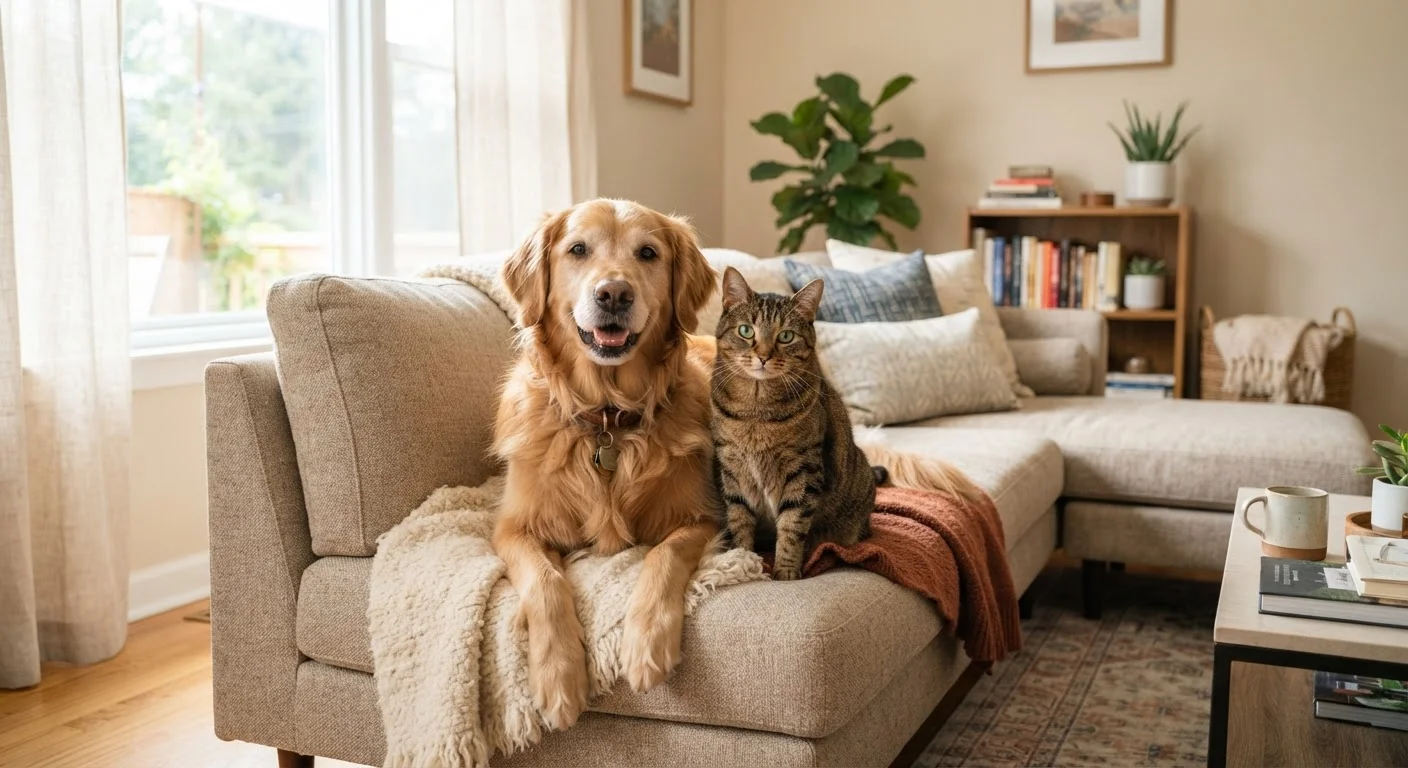
Option A
Dogs
The loyal, high-engagement companion.
Best for: Owners with predictable schedules, access to outdoor space, and a desire for active, interactive companionship.
Option B
Cats
The independent, lower-maintenance companion.
Best for: Busy professionals, apartment dwellers, or anyone who values affection on a flexible, self-directed schedule.
Time Commitment: Where the Gap Is Largest
Time is often the deciding factor when choosing between a dog and a cat, and the difference is substantial. Dogs require a minimum of one to two hours of active engagement daily - walks, play, training, and social time. Most veterinary and animal behavior organizations recommend at least two to three outdoor outings per day, regardless of weather. That structure is non-negotiable; skipping it consistently leads to behavioral problems and stress for the animal.
Cats, by contrast, are crepuscular and often sleep 12-16 hours a day. They do benefit from daily interactive play - ideally 15-30 minutes with a toy or puzzle feeder - but they do not require scheduled outdoor trips. A cat can be left alone for a full workday without significant welfare concerns, provided food, water, and a clean litter box are available.
For anyone navigating a demanding schedule, this gap matters enormously. Assessing your daily routine honestly before committing to either species is one of the most important steps a prospective owner can take.
| Criterion | Dogs | Cats |
|---|---|---|
| Daily time required | 1-2+ hours of active care | 15-30 minutes of active play |
| Alone time tolerance | Low; stress develops quickly | High; manages full workdays well |
| Typical annual food cost | Higher (size-dependent) | Generally lower |
| Grooming needs | Moderate to high (breed-dependent) | Low to moderate (mostly self-grooming) |
| Space requirement | Moderate to high | Low to moderate |
| Travel logistics | Boarding or sitter required | Short trips manageable with automation |
| Training demand | High; ongoing reinforcement needed | Lower; litter training largely instinctive |
Cost Comparison: Annual Expenses by Category
Financial cost is rarely the only reason to choose one pet over another, but it is a practical reality that deserves clear-eyed attention. According to the American Pet Products Association's National Pet Owners Survey, dog owners consistently report higher annual expenditures than cat owners across food, veterinary care, grooming, and boarding.
Dogs typically eat more, require professional grooming (depending on breed), and need boarding or pet-sitting when their owners travel - all of which add up quickly. Routine veterinary costs for dogs also tend to be higher, partly due to weight-based medication dosing and more frequent preventive care visits recommended for some breeds.
Cats are generally less expensive to feed and groom, and many owners manage basic grooming at home. Routine vet visits are still essential, but overall annual costs are typically lower. For a deeper look at feeding decisions that affect both cost and nutrition, see our comparison of wet and dry food options.
$1,533
Avg. annual dog ownership cost
The American Pet Products Association estimates average annual spending on dogs exceeds that of cats across food, vet care, and supplies.
$902
Avg. annual cat ownership cost
Cat owners typically spend less per year than dog owners, driven by lower food volume and reduced grooming and boarding expenses.
66%
U.S. households owning a pet
According to APPA's National Pet Owners Survey, dogs and cats together account for the vast majority of pet-owning households in America.
Space, Housing, and Lifestyle Fit
Living situation is a reliable predictor of which pet will actually thrive under your care. Dogs - particularly medium to large breeds - generally need more room to move, and access to a yard or nearby park matters for their physical and mental health. Many apartment buildings and rental properties also impose breed or size restrictions on dogs, which narrows options considerably.
Cats adapt well to apartments and smaller homes. They use vertical space effectively - shelving, cat trees, and window perches can provide adequate environmental enrichment in compact living situations. Your living situation often points clearly toward one species over the other, and it is worth thinking through both current and anticipated housing before adopting.
Travel habits matter too. Dog owners who travel regularly face the recurring cost and logistics of boarding or hiring a pet sitter. Cat owners can often manage short trips with automated feeders and timed water dispensers, though any absence beyond 24-48 hours warrants a check-in from a trusted person.
Pet Welfare During Extended Absences
Regardless of species, no pet should be left without human contact for extended periods on a recurring basis. Even cats, who tolerate solitude better than dogs, benefit from regular human interaction for socialization and welfare monitoring. If your lifestyle involves frequent multi-day travel, consider whether consistent, quality care can realistically be arranged before adopting any pet.
Companionship Style and Emotional Fit
Dogs and cats offer meaningfully different styles of companionship, and neither is objectively superior - the right match depends on what you actually want from the relationship. Dogs are social animals that orient strongly toward their owners. They tend to be eager for interaction, responsive to training, and visibly distressed by prolonged isolation. That bond can be deeply rewarding, but it comes with real obligation.
Cats form genuine attachments but express them differently - often subtly and on their own terms. Research published in animal behavior journals has found that cats can form secure attachment bonds with their owners, though they tend to seek interaction less persistently than dogs. For someone who values a companion that is present without being demanding, a cat may be the more sustainable choice.
For a broader look at what each species requires day to day, a species-by-species breakdown of daily care needs can help set realistic expectations before adoption. Both dogs and cats thrive when their welfare needs are genuinely met - the goal is choosing the one whose needs you can consistently and willingly fulfill.
The content on this site is provided for informational purposes only and should not be considered a substitute for professional advice. While we strive to provide accurate and up-to-date information, we make no guarantees regarding its completeness or accuracy. Always consult a qualified professional for advice specific to your circumstances before making any decisions.