

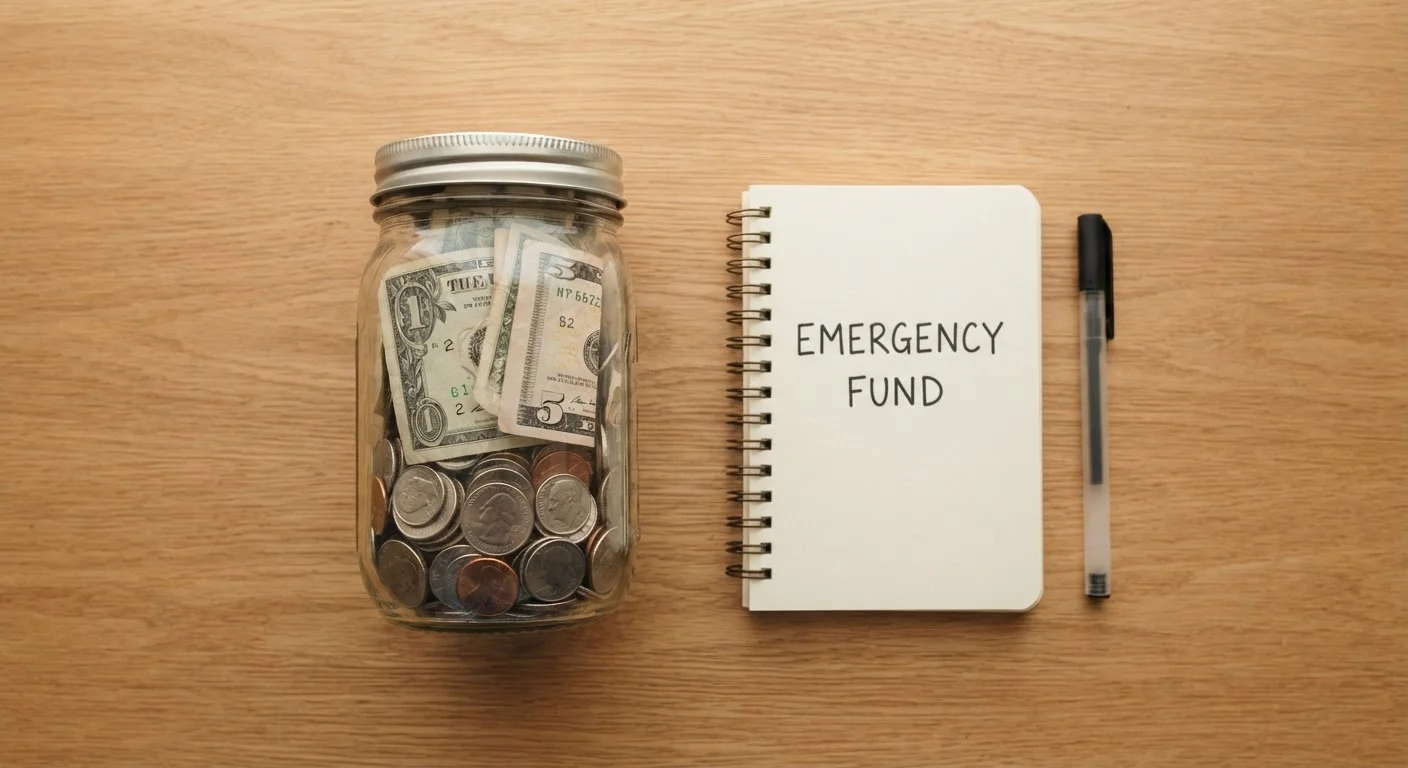
The Core Purpose - and the Common Misunderstanding
Most people understand that an emergency fund is money you don't touch unless something goes wrong. But the more important question is: what actually counts as an emergency?
An expense qualifies as a genuine emergency when it is unexpected, necessary, and urgent. A burst pipe that is flooding your basement: yes. Concert tickets you forgot to budget for: no. A medical bill from an unplanned ER visit: yes. A holiday gift list that crept past your expectations: no.
The distinction matters because emergency funds are finite. Every dollar spent on a non-emergency is a dollar that isn't there when a real crisis hits. Many households discover this the hard way - their "emergency fund" was quietly raided over months for convenience spending, leaving nothing when a genuine need arose.
The Three-Criteria Test
Before drawing from your emergency fund, apply a simple filter: Is this expense unexpected? Is it necessary? Is it urgent? If the answer to all three is yes, it likely qualifies. If any answer is no - particularly 'necessary' or 'unexpected' - consider whether a different financial resource is more appropriate.
What an Emergency Fund Is Not
Clarity on what an emergency fund is not is just as important as knowing what it is.
- Not a general savings account. Money earmarked for a vacation, a new appliance, or a home down payment is goal-based savings - valuable, but distinct in purpose.
- Not an investment account. Emergency funds should not be placed in vehicles subject to market risk or early-withdrawal penalties. Accessibility and stability take priority over growth.
- Not a substitute for insurance. An emergency fund handles gaps and deductibles, but it doesn't replace appropriate health, auto, or homeowner's insurance coverage.
- Not a sinking fund. Predictable costs - annual car registration, back-to-school supplies, holiday spending - should be planned for in a separate sinking fund. See our breakdown of emergency funds vs. sinking funds for how both tools work together.
Label Your Account Intentionally
Many online banks allow you to rename savings accounts. Calling it "Emergency Only" rather than "Savings" creates a small but meaningful psychological barrier. That label makes it easier to pause before withdrawing and ask: does this actually qualify?
Why the Separation Matters
Keeping your emergency fund psychologically and physically separate from your everyday spending accounts is not a minor detail - it's a structural safeguard.
When emergency money lives in the same account as your checking balance, the boundary between "available" and "reserved" blurs. Behavioral finance research consistently shows that people spend money that is visible and accessible, even when they intend not to.
A dedicated account with a clear label - and ideally, one that requires a deliberate transfer to access - creates friction that protects the fund's integrity. For guidance on where to actually hold these funds, our article on where to keep your emergency fund walks through the key account types and trade-offs worth understanding.
~57%
Americans unable to cover a $1,000 emergency
According to Bankrate's annual emergency savings survey, a majority of U.S. adults report they could not cover an unexpected $1,000 expense from savings alone.
3-6 months
Recommended emergency fund coverage
This range is the widely cited benchmark from personal finance organizations and certified financial planners as a baseline for most households.
$500-$1,000
Suggested starter emergency fund target
Many financial educators recommend this initial milestone as a practical starting point before working toward a full multi-month reserve.
Building One When Money Is Tight
The standard advice - save three to six months of expenses - can feel paralyzing when cash flow is limited. A more practical approach is to start with a modest target: $500 or $1,000. This "starter fund" covers the most common minor emergencies (a car repair, an unexpected co-pay) without requiring months of aggressive saving before you see any protection.
From there, consistent, automatic contributions - even small ones - build the fund over time. Automating transfers removes the decision friction and ensures progress continues even during busy or stressful stretches.
The goal isn't a perfect fund built overnight. It's a functional one that grows steadily, so that when the unexpected arrives - and it will - you have a financial response that doesn't require taking on debt.
This article is for general informational purposes only and does not constitute personalized financial advice. For guidance specific to your situation, consider consulting a licensed financial professional.
Frequently Asked Questions
A widely cited guideline is three to six months of essential living expenses. Those with variable income, freelance work, or single-income households may benefit from keeping closer to six months or more. The right amount depends on your personal circumstances, job stability, and monthly obligations.
Yes - if the repair is unexpected and necessary to maintain your livelihood, it qualifies. A routine oil change or a tire replacement you've been putting off is a different story; those are predictable costs better handled through planned savings.
Not exactly. While an emergency fund is often held in a savings account, the account type isn't what defines it - the purpose does. A savings account used for a vacation fund or a down payment is not an emergency fund, even if the money is technically 'saved.'
Start smaller. Even a $500 to $1,000 starter emergency fund provides meaningful protection against minor crises without derailing other financial goals. Build from there incrementally as your cash flow allows.
Generally, no. Emergency funds should be kept in liquid, stable accounts - not subject to market fluctuations. If your emergency fund dropped 20% in value right before you needed it, it would fail its core purpose.
An emergency fund is for unknown, unplanned crises. A sinking fund is for known future expenses you're saving toward over time - like a new appliance or annual insurance premium. See our <a href="/finance/saving-emergency-funds/emergency-fund-vs-sinking-fund-two-tools-with-different-jobs">guide on emergency funds vs. sinking funds</a> for a full breakdown.
The content on this site is provided for informational purposes only and should not be considered a substitute for professional advice. While we strive to provide accurate and up-to-date information, we make no guarantees regarding its completeness or accuracy. Always consult a qualified professional for advice specific to your circumstances before making any decisions.