

Our Verdict
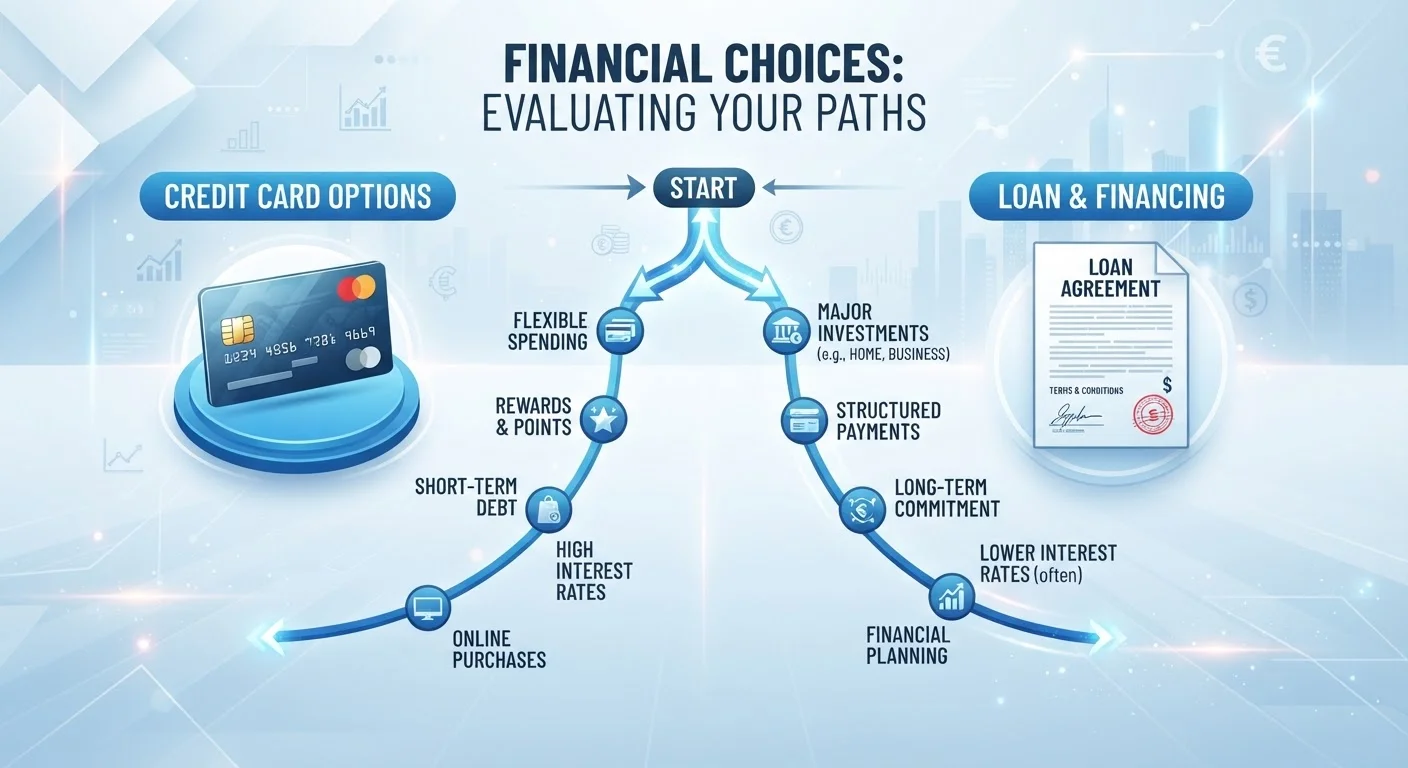
Balance transfers can be highly cost-effective for disciplined borrowers with strong credit who can repay within a promotional period. Personal loans suit those who need longer, structured repayment terms or carry balances too large for a single transfer. Neither option is universally superior - the right fit depends on your credit profile, debt size, and spending habits.
| Best for | Recommended |
|---|---|
| Those with strong credit who can repay within 12-21 months | Balance Transfer |
| Those needing predictable payments over a longer fixed term | Personal Loan |
| Those consolidating multiple large balances exceeding transfer limits | Personal Loan |
| Those with lower balances and the budget discipline to avoid new charges | Balance Transfer |
How Each Tool Works
When credit card interest is eating into every payment, two debt-reduction tools often come up: the balance transfer and the personal loan.
A balance transfer moves existing credit card debt onto a new card - typically one offering a promotional 0% annual percentage rate (APR) for a set period, often 12 to 21 months. During that window, every dollar you pay reduces principal rather than covering interest. Once the promotional period ends, a standard APR - often significantly higher - kicks in on any remaining balance.
A personal loan is an unsecured installment loan with a fixed interest rate and a defined repayment schedule, usually ranging from two to seven years. You borrow a lump sum, pay off your credit cards, and then make equal monthly payments until the loan is retired. Unlike a balance transfer, there is no promotional cliff - the rate you receive at origination is the rate you pay throughout.
For a broader look at how consolidation fits into debt strategy, see how debt consolidation works in practice.
Comparing Costs, Eligibility, and Key Risks
Cost and eligibility differ meaningfully between the two options, and understanding those differences is essential before committing.
| Balance Transfer | Personal Loan | |
|---|---|---|
| Interest structure | 0% promotional APR, then variable | Fixed APR for loan term |
| Typical upfront fee | 3%-5% of transferred amount | 0%-8% origination fee |
| Repayment timeline | Flexible, promotional window 12-21 months | Fixed term, usually 2-7 years |
| Credit score generally needed | Good to excellent (typically 670+) | Fair to excellent (varies by lender) |
| Risk if not paid off in time | High revert rate on remaining balance | None - rate locked from origination |
| Best for debt size | Smaller balances within card limit | Larger or multiple balances |
Balance transfer fees - typically 3% to 5% of the transferred amount - are charged upfront, even when the promotional APR is 0%. On a $6,000 balance, a 4% fee means $240 added to your debt immediately. If you don't clear the balance before the promotional period ends, you'll face a revert rate that can be 20% or higher.
Personal loans carry no such promotional cliff, but their interest rates reflect your creditworthiness from day one. Borrowers with excellent credit may access rates meaningfully lower than their credit card APR; those with fair or poor credit may not find a rate that justifies the switch. Origination fees - typically 1% to 8% - also apply with many lenders and should be factored into total cost.
Don't Treat the Old Card as Free Credit
One of the most common pitfalls after a balance transfer is charging new purchases to the now-empty card. This rebuilds the debt you just moved, leaving you with two balances instead of one. Both approaches - transfer and loan - only help if spending habits change alongside the financing structure.
It's also worth considering credit utilization. Transferring a balance to a new card changes how that utilization is calculated. Closing older accounts after a transfer can compound any credit score impact.
Realistic Scenarios for Each Approach
The right choice often becomes clearer when mapped to specific situations.
Balance transfer may work well when:
- Your credit score qualifies you for a card with a meaningful promotional window (generally a score of 670 or higher, though issuers vary).
- Your total balance is manageable enough to pay off within the promotional period on your current income.
- You can commit to not adding new charges to the old or new card during repayment.
Personal loan may work well when:
- Your debt exceeds what a single balance transfer card can absorb, or you're consolidating across multiple cards.
- You want a fixed monthly payment and a guaranteed payoff date regardless of market fluctuations.
- You've struggled in the past with revolving credit and prefer a closed-end structure that removes the temptation to re-spend.
For readers working through how to organize a payoff plan after choosing a tool, building a realistic debt-free plan offers a practical framework. If you're also weighing which debts to attack first, the avalanche vs. snowball comparison covers those strategies in depth.
What to Check Before You Apply
Before submitting any application, gather the information that will determine your actual options - not just hypothetical ones.
- Your credit score and report: Both balance transfer cards and personal loans are credit-based products. Knowing your score gives you realistic expectations about rates and approval odds. Checking your own credit does not affect your score.
- Total debt and monthly cash flow: Run the numbers on whether you can realistically pay off a balance transfer within the promotional window, or afford personal loan payments within your monthly budget.
- All fees: Transfer fees, origination fees, and prepayment penalties (less common but worth confirming) all affect true cost.
- The revert rate or loan APR: Model what happens if you don't pay the full balance before a promotional period ends, or what your total interest cost will be over the full loan term.
If carrying debt while also trying to save is a tension you're navigating, balancing savings and debt repayment addresses that trade-off directly. For situational context on when consolidation as a concept fits - and when it doesn't - when debt consolidation makes sense is a useful companion read.
This article is for general informational and educational purposes only and does not constitute personalized financial, tax, or legal advice. Consult a qualified, licensed financial professional before making decisions based on your individual circumstances.
The content on this site is provided for informational purposes only and should not be considered a substitute for professional advice. While we strive to provide accurate and up-to-date information, we make no guarantees regarding its completeness or accuracy. Always consult a qualified professional for advice specific to your circumstances before making any decisions.