

Summary
22 items · 20-40 minutes
Why Preparation Makes or Breaks a New Fitness Routine
Starting a new exercise program is one of the most positive steps you can take for your long-term health. But enthusiasm alone doesn't guarantee success. Research consistently shows that inadequate preparation - skipping a health screening, setting vague goals, or jumping straight to high intensity - is a leading reason people quit or get hurt within the first few weeks.
This checklist is designed for everyday Americans at any fitness level. Whether you're returning after years away from exercise or picking up movement for the first time, working through these items before your first session helps you start smarter. For a broader overview of fitness fundamentals, see our comprehensive fitness guide.
This article is general information and is not a substitute for personalized medical advice. Always consult a qualified healthcare provider before beginning a new exercise program, especially if you have existing health concerns.
Medical Clearance Is Not Optional for Everyone
Certain individuals - including those with heart disease, uncontrolled diabetes, high blood pressure, a recent surgery, or pregnancy - should obtain explicit clearance from a physician before beginning any structured exercise program. If you experience chest pain, dizziness, or shortness of breath during exercise, stop immediately and seek medical attention. When in doubt, consult your healthcare provider first.
Your Pre-Start Checklist
Work through each group below before your first workout. Items marked must are non-negotiable - skipping them puts your health or consistency at risk. Should items are strongly recommended, and nice-to-have items will enhance your experience over time.
Health Screening
Goal Setting
Baseline Assessment
Program Selection
Logistics and Schedule
Recovery and Safety Planning
Once you've completed this checklist, you're ready to build a sustainable routine. Our guide on building a weekly exercise habit from scratch is a practical next step.
Tools and Resources to Support Your Readiness
A few simple tools can make this checklist easier to complete and more useful over time. None of these require significant expense or technical knowledge.
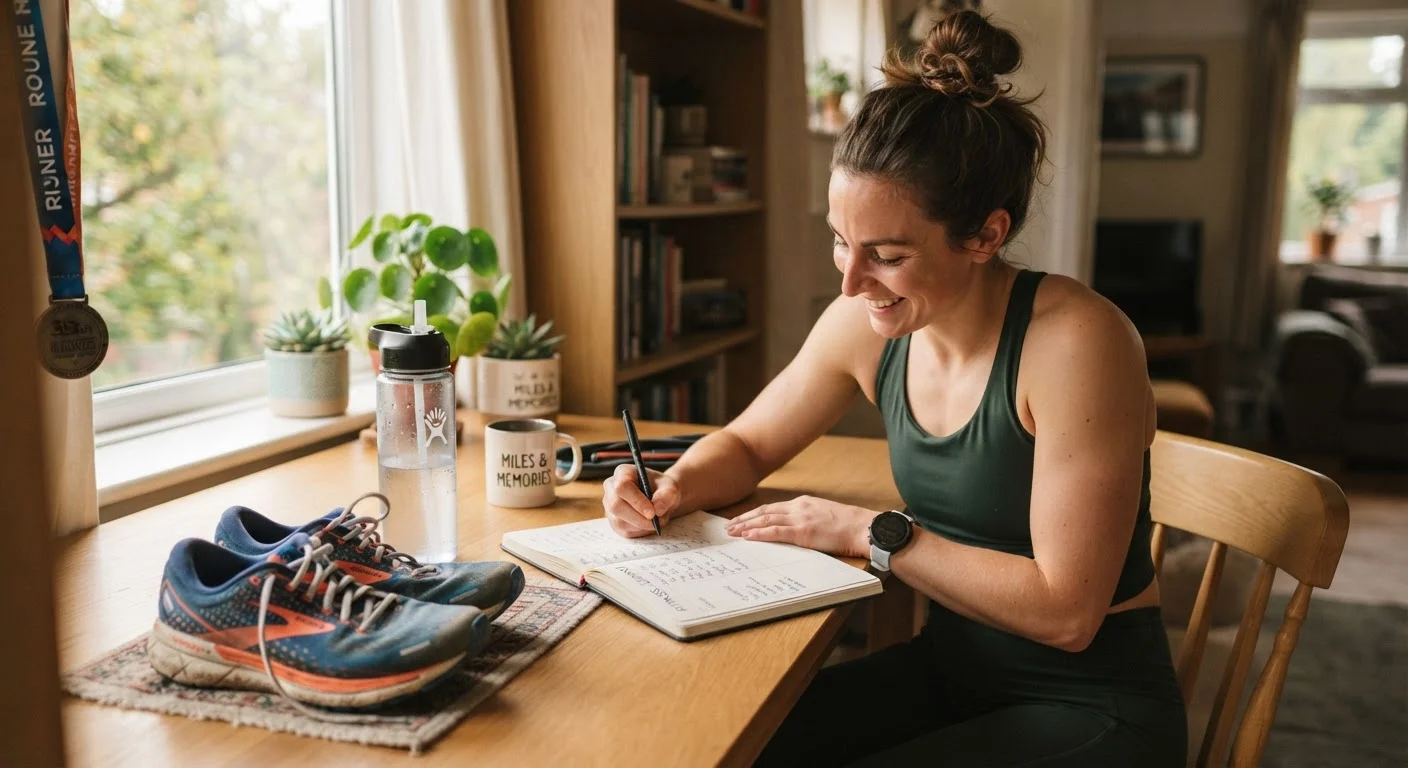
Fitness or Training Journal
Track workouts, energy levels, and progress week to week - a written record helps you notice patterns and stay accountable.
PAR-Q Self-Screening Form
A standardized health questionnaire used to identify whether medical clearance is recommended before starting exercise.
Supportive Athletic Footwear
Proper footwear matched to your activity type reduces impact stress and lowers risk of foot, ankle, and knee injuries.
Calendar or Scheduling App
Block your workout windows in advance so they're treated as fixed commitments rather than optional time slots.
Heart Rate Monitor or Fitness Tracker
Helps you stay within an appropriate exercise intensity range, especially useful for beginners learning to gauge effort.
Water Bottle (at least 20 oz)
Ensures you can hydrate before, during, and after each session without interrupting your workout.
If you're starting completely from scratch with no prior fitness experience, our article on starting an exercise habit when you've never had one walks through the fundamentals in plain language.
Don't Skip the Warm-Up or Cool-Down
Many beginners jump straight into the main workout to save time and skip the cool-down afterward. Both are clinically meaningful: a proper warm-up gradually increases heart rate and blood flow to muscles, reducing soft-tissue injury risk, while a cool-down helps your heart rate return to baseline safely. Even five minutes on each end of a session provides meaningful protection, particularly for those returning after a long break from exercise.
The content on this site is provided for informational purposes only and should not be considered a substitute for professional advice. While we strive to provide accurate and up-to-date information, we make no guarantees regarding its completeness or accuracy. Always consult a qualified professional for advice specific to your circumstances before making any decisions.