

The Short Morning Squeal: Surface Rust at Work
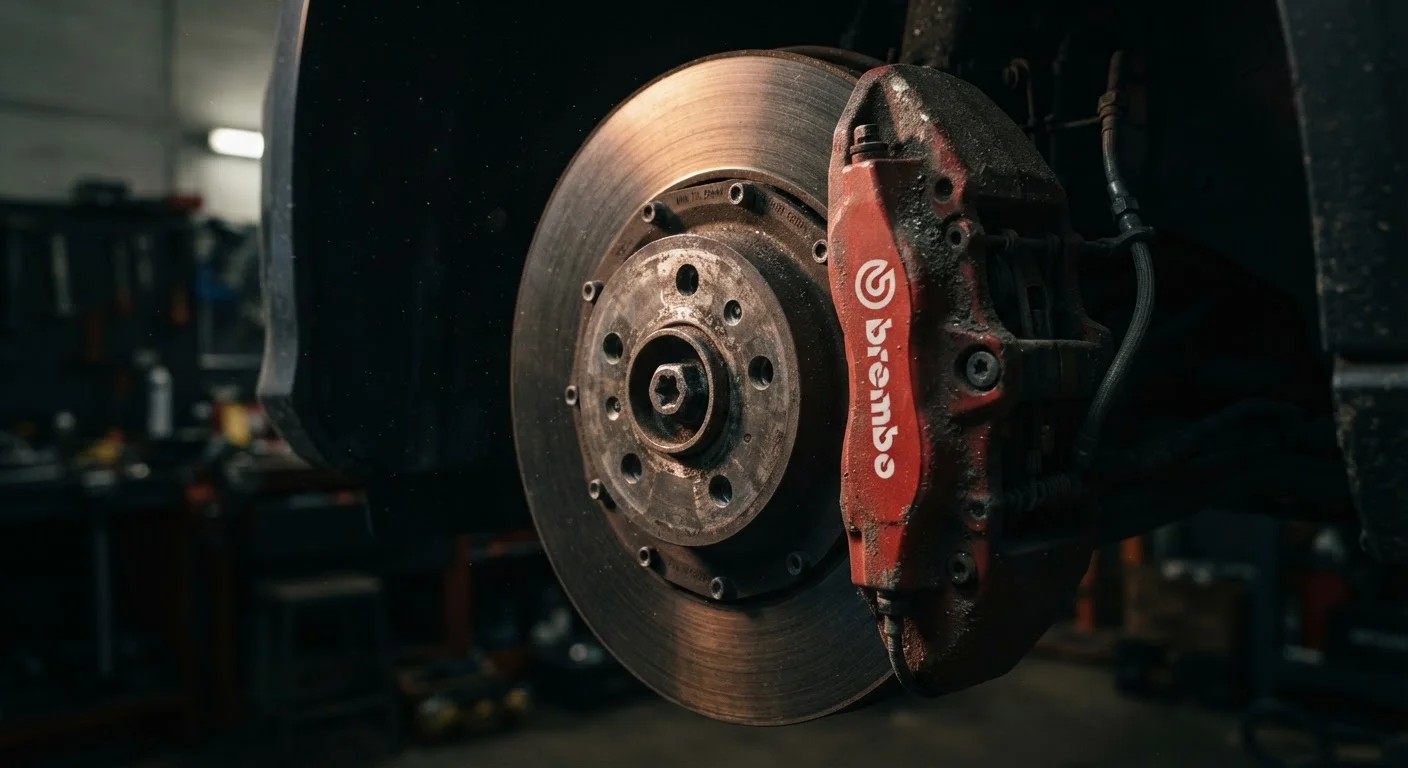
If your brakes squeal briefly when you first pull out of the driveway - especially after rain or a humid night - and the noise disappears within a block or two, surface rust is almost certainly the cause. Cast iron rotors oxidize quickly when exposed to moisture. As the brake pad sweeps across the rotor during your first few stops, it scrubs away that thin rust layer, and the squeal stops.
This is one of the few brake noises that requires no action. It is a normal characteristic of most passenger vehicles and does not indicate worn or failing components. If the squeal persists well into your drive, the cause is something else.
New Pads Can Squeal Too
If your brakes were recently serviced and you notice a light squeal, this may simply be the new pad material bedding into the rotor surface. This break-in period typically lasts a few days of normal driving. However, if the noise persists beyond a week after installation, it is worth returning to the shop to verify the work was completed correctly.
Continuous Squealing While Braking: The Wear Indicator Alert
A persistent, high-pitched squeal every time you press the brake pedal - not just in the morning - is the sound most brake systems are specifically engineered to produce. Brake pads are manufactured with a small metal tab called a wear indicator. When the friction material wears down to minimum safe thickness, this tab contacts the rotor surface and generates a steady squeal audible to the driver.
Think of it as your car's built-in maintenance alarm. The sound means your pads still have some material left, but replacement should be scheduled promptly. Ignoring it typically leads to complete pad wear, rotor damage, and a significantly higher repair bill.
Schedule an Inspection Within a Week
If you hear a continuous squeal while braking that is not limited to cold morning starts, book a brake inspection within the next several days. Wear indicators are designed to give you a warning window - but that window closes faster with heavy city driving or highway use. A routine inspection takes under an hour at most shops.
Grinding: The Sound You Cannot Afford to Ignore
A harsh grinding or growling sound during braking is the most serious noise on this list. It usually means the brake pad friction material has worn away entirely, leaving metal brake hardware in direct contact with the rotor. This metal-on-metal contact can rapidly score the rotor surface, compromise stopping distance, and in severe cases damage brake calipers.
If your brakes are grinding, reduce speed carefully, avoid heavy braking where possible, and have the vehicle inspected by a qualified mechanic as soon as possible. Do not delay this repair. Brake system integrity is directly tied to your ability to stop safely.
Keep an eye on your dashboard as well - some vehicles display a brake warning light alongside brake wear. Our guide to dashboard warning lights explains what those indicators mean and when to act on them.
Pulsing, Vibrating, or Clicking: What These Signals Mean
Not all brake problems announce themselves as a squeal or grind. Two other patterns deserve attention:
- Pulsing or vibration underfoot: A rhythmic push-back through the brake pedal - or a shimmy felt through the steering wheel - during braking typically indicates warped rotors. Heat from repeated hard stops can cause rotors to deform unevenly. This uneven surface creates inconsistent pad-to-rotor contact, reducing braking smoothness and potentially extending stopping distances. A mechanic can measure rotor thickness variation and advise whether resurfacing or replacement is appropriate.
- Clicking or rattling: A clicking sound specifically when applying or releasing the brakes usually points to loose brake hardware - anti-rattle clips, caliper bolts, or pad retaining pins. While sometimes less urgent than worn pads, loose brake components can shift under load and affect braking performance. This should be inspected and corrected by a professional.
~$300
Typical cost of delaying pad replacement to rotor damage
Automotive repair data consistently shows that replacing pads alone costs significantly less than replacing pads and rotors together when wear goes unaddressed.
25%
Stopping distance increase with severely worn brakes
Research from vehicle safety organizations indicates that severely degraded brake components can meaningfully extend stopping distances, increasing collision risk.
12,000 mi
Recommended brake inspection interval
Many automotive manufacturers and service professionals recommend brake system inspections approximately every 12,000 miles or at each tire rotation.
When to See a Mechanic - and What to Tell Them
As a general guide: morning-only squeals that clear quickly can be monitored. Continuous squealing warrants scheduling a brake inspection within the next week or two. Grinding, pulsing, or sudden changes in pedal feel require prompt professional attention.
When you visit a mechanic, describing the noise precisely makes diagnosis faster and more accurate. Note when the sound occurs (cold start, highway speed, gentle stop, hard stop), whether it comes from the front or rear, and how long it has been present. This context helps a technician narrow down the cause efficiently.
Brake maintenance is not an area where delaying pays off. Catching worn pads before they contact the rotor typically costs a fraction of a full rotor replacement. Regular inspections - typically recommended every 12,000 miles or during tire rotations - keep small issues from becoming expensive safety problems.
Frequently Asked Questions
It depends on the cause. A brief morning squeal that disappears after a few stops is generally harmless. Persistent squealing while braking, however, signals worn pads and should be addressed within days, not weeks. If you hear grinding, stop driving and have the vehicle inspected immediately.
Wear indicator squeals are designed to give you advance warning before pads fail completely, but this window is limited - typically a few hundred miles under normal driving. Continuing to drive risks escalating pad wear into rotor damage, which significantly increases repair costs.
Overnight moisture causes a thin layer of surface rust to form on brake rotors. When you first apply the brakes, that rust layer creates a brief squeal or grinding sound. It usually clears within the first several stops and is not a sign of brake damage.
Grinding typically means brake pads have worn completely through and metal components are contacting the rotor directly. This can score or warp the rotor surface and severely reduce braking performance. It requires immediate professional inspection and repair.
Yes. Newly installed brake pads sometimes squeal for the first few days as the pad material and rotor surface bed in together. This break-in noise is normal and usually resolves on its own. If the squeal persists beyond a week, have the installation checked.
A pulsing sensation underfoot or a steering wheel shimmy during braking most commonly points to warped brake rotors. Heat cycling and aggressive braking can cause rotors to become uneven, creating inconsistent contact with the pads. A mechanic can measure rotor runout and determine whether resurfacing or replacement is needed.
The content on this site is provided for informational purposes only and should not be considered a substitute for professional advice. While we strive to provide accurate and up-to-date information, we make no guarantees regarding its completeness or accuracy. Always consult a qualified professional for advice specific to your circumstances before making any decisions.