

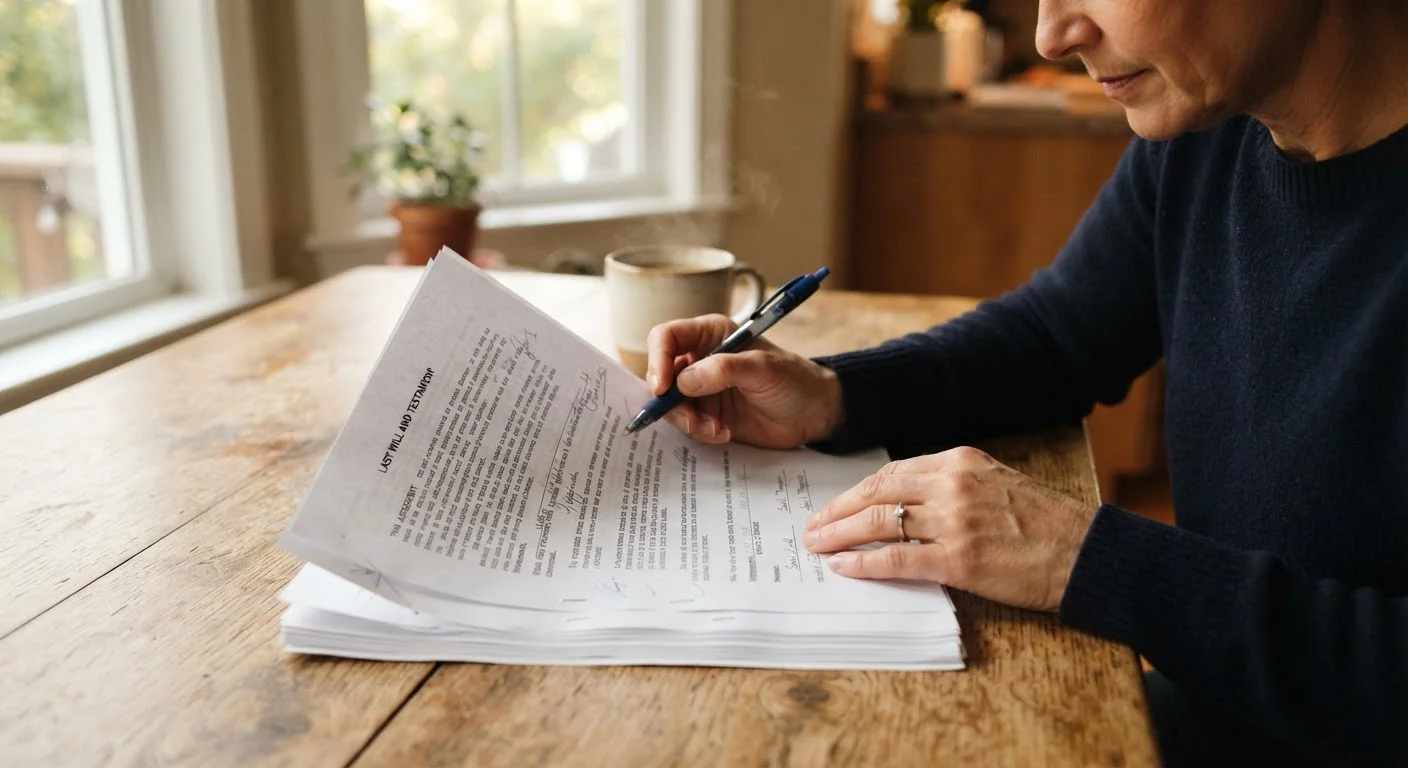
Why Lease Language Matters More Than Most Renters Realize
A lease agreement isn't just paperwork - it's the legal framework for your entire tenancy. Every sentence you skim over is a term you've agreed to. Yet most renters sign leases after reading them only partially, often under time pressure from landlords eager to close the deal.
The consequences can range from losing your security deposit over a clause you didn't notice to being liable for months of rent after an unexpected move. The good news: lease language, while dense, follows predictable patterns. Once you know what to look for, you can decode almost any agreement. See the lease review checklist for first-time renters for a structured walkthrough before you put pen to paper.
~50%
Renters who don't read their full lease
Industry surveys have consistently found that roughly half of renters report not reading their lease in full before signing, according to rental market research organizations.
30-60 days
Typical state deadline to return security deposits
Most U.S. states require landlords to return security deposits within 14 to 60 days after move-out, depending on state law.
1-3 months
Common security deposit cap range by state
State landlord-tenant statutes set maximum security deposit limits, which commonly range from one to three months' rent across the U.S.
The Clauses That Catch Renters Off Guard
Several standard lease sections are routinely misunderstood - and misread in costly ways.
Security Deposit Terms
The lease should specify the exact deposit amount, the conditions under which it can be withheld, and the timeline for its return. State law governs deposit limits and return deadlines, but many renters don't realize a landlord can deduct for items beyond physical damage - including lease violations or cleaning costs if the lease explicitly allows it.
Rent Payment and Late Fees
Look beyond the monthly dollar amount. Note the due date, any grace period, and the late fee structure. Some leases impose flat fees; others charge a daily rate. Confirm whether rent must be paid by check, electronic transfer, or another specified method - paying the wrong way can sometimes be treated as non-payment.
Subletting and Guests
Most leases require written landlord approval before subletting. Guest policies are trickier: many agreements define how many consecutive nights a guest may stay before they're considered an unauthorized occupant. Exceeding that limit - even unintentionally - can be grounds for a lease violation notice.
Early Termination
If you need to leave before your lease ends, the financial exposure depends entirely on what the lease says. Some agreements allow early termination with a set fee; others hold you responsible for rent until a new tenant is found. A handful of states require landlords to mitigate damages by actively seeking a replacement tenant.
Document Everything Before Move-In
Conduct a detailed walkthrough of the unit before your first day and photograph any existing damage. Submit your findings to the landlord in writing and keep a copy. This record is your primary defense if a landlord later claims you caused pre-existing damage when calculating deposit deductions.
Clauses That May Not Be Enforceable
A lease clause isn't automatically valid just because both parties signed it. State landlord-tenant law sets a floor of rights that no contract can waive. Common unenforceable provisions include clauses that:
- Attempt to waive the landlord's obligation to maintain a habitable unit
- Authorize self-help evictions (such as changing locks without a court order)
- Charge security deposits above the state-mandated cap
- Require tenants to pay for repairs that are legally the landlord's responsibility
Identifying these requires knowing your state's tenant protection statutes. Local tenant rights organizations and legal aid offices are valuable - and often free - resources for this research. For a closer look at common lease language and what it really means in practice, see our companion guide on lease clause interpretation.
Before You Sign: How to Approach the Agreement
Reading a lease doesn't have to be overwhelming if you work through it systematically. Focus first on the financial terms - rent amount, deposit, fees, and who pays which utilities. Then examine the obligations: maintenance responsibilities, notice requirements for move-out, and renewal conditions.
Pay attention to any addenda attached to the main lease. Pet policies, parking agreements, and move-in condition reports are often separate documents that carry the same legal weight as the lease itself. If you're renting with a pet, review what pet-related lease terms and landlord policies mean for you before committing.
If a clause seems unclear, ask for clarification in writing. If a term seems unreasonable, you may have more leverage to negotiate than you think - learn which lease terms landlords commonly adjust and how to start that conversation.
This article is for general informational purposes only and does not constitute legal advice. Lease terms and tenant rights vary by state and locality. Consult a qualified attorney or local tenant rights organization for guidance specific to your situation.
Frequently Asked Questions
Generally, no. A signed lease is a binding contract and terms cannot be changed mid-lease without both parties' written agreement. Changes typically take effect only at renewal unless both parties consent in writing beforehand.
Most leases include an early termination clause specifying the financial consequences, which often include forfeiting your security deposit or paying a penalty equal to one or two months' rent. Some states require landlords to make reasonable efforts to re-rent the unit to limit your liability.
Verbal agreements can be legally valid but are extremely difficult to prove if disputed. Any promises made outside the written lease - such as repairs before move-in - should be documented in writing as an addendum to the lease.
Some clauses that attempt to waive your statutory rights - such as the right to a habitable unit - are unenforceable under most state laws. However, you'd likely need to assert that in a legal proceeding, so it's better to flag problematic clauses before signing.
Security deposit limits are set by state law and typically range from one to three months' rent. Many states also regulate how deposits must be held and how quickly they must be returned after move-out.
Ask the landlord for clarification in writing, or consult a local tenant rights organization or attorney. Never assume unclear language is harmless - ambiguous clauses are a common source of disputes.
The content on this site is provided for informational purposes only and should not be considered a substitute for professional advice. While we strive to provide accurate and up-to-date information, we make no guarantees regarding its completeness or accuracy. Always consult a qualified professional for advice specific to your circumstances before making any decisions.