

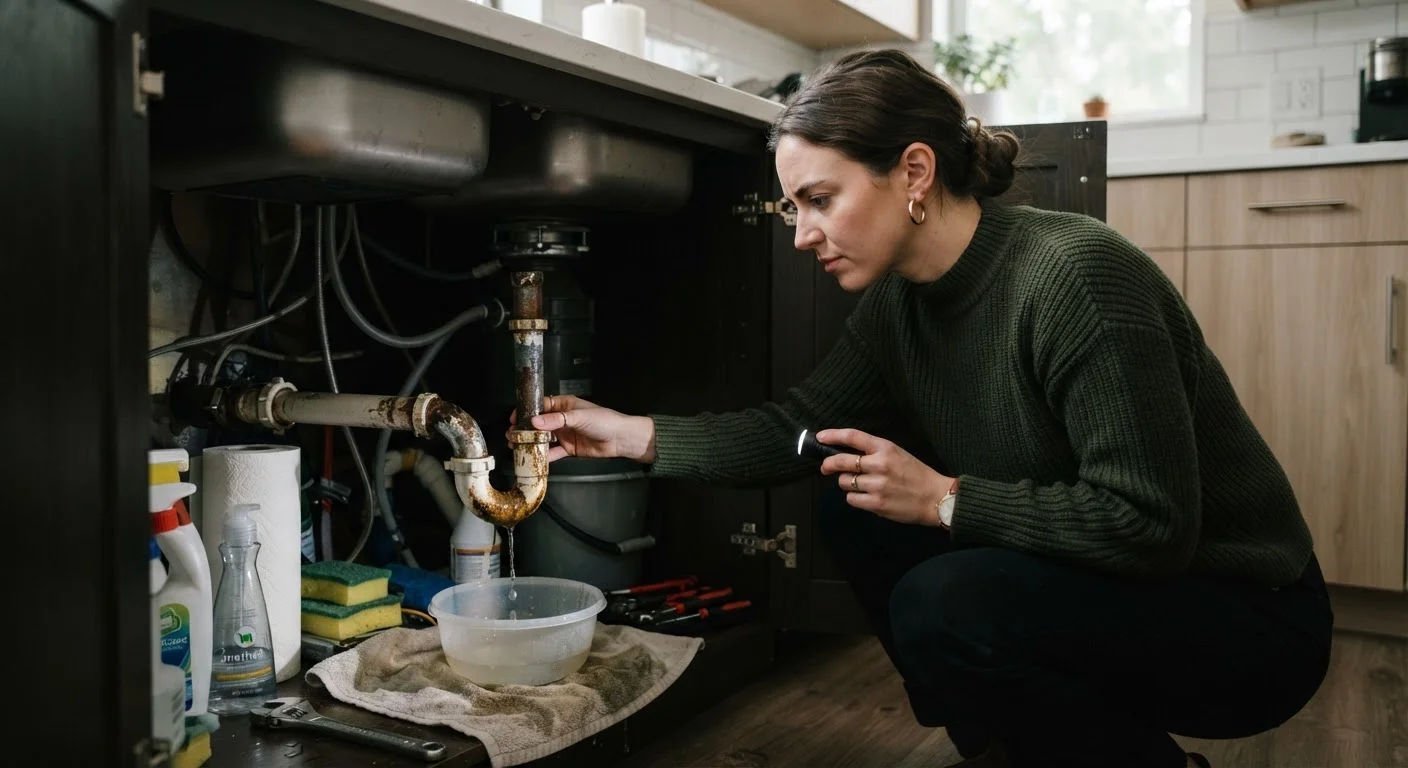
Who Is Responsible for Repairs in a Rental?
The division of repair responsibility in a rental property is governed by two overlapping sources: your lease agreement and your state's landlord-tenant law. When the two conflict, state law generally prevails - landlords cannot use a lease clause to waive legally mandated habitability obligations.
The foundational legal concept is the implied warranty of habitability, which holds that landlords must keep rental properties in a livable condition regardless of whether the lease explicitly says so. This typically encompasses functioning heat, safe electrical wiring, plumbing that works, a structurally sound building, and protection from the elements. It does not cover purely cosmetic issues or damage caused by a tenant's own negligence or misuse.
Tenants, for their part, are generally responsible for keeping the unit clean, disposing of trash properly, and reporting problems promptly. Failing to report a known issue that then worsens can shift some liability back to the tenant. If you're newer to renting and want a broader foundation, the ground-up guide to apartments and leases covers the lease terms that govern these responsibilities.
Build Your Paper Trail From Day One
Good documentation starts before a problem arises. Conduct a thorough move-in inspection and photograph every room. Skipping this step is one of the most common renting missteps. A dated photographic record of the unit's condition at move-in can be critical both for repair disputes and for protecting your security deposit.
How to Submit and Escalate a Repair Request
The steps below outline the recommended approach for handling a maintenance issue - from initial documentation through formal escalation. What matters most is acting promptly and keeping a clear written record every step of the way.
What you will need
Written communication log
A simple document or folder tracking every repair-related message, email, or letter exchanged with your landlord, with dates.
Smartphone camera
Used to photograph or video the defect with timestamps as evidence for written requests and potential legal proceedings.
State landlord-tenant statute
The authoritative legal text defining repair obligations, notice requirements, and tenant remedies in your state.
Certified mail service
Provides proof of delivery for formal written repair notices, which may be required by your state's legal procedures.
Identify whether the repair is the landlord's responsibility
Before filing any request, review your lease and your state's landlord-tenant statutes. Under the implied warranty of habitability - recognized in most U.S. states - landlords must keep rental units safe, sanitary, and structurally sound. This generally covers heating, plumbing, electrical systems, a weatherproof roof, and functioning locks.
Cosmetic issues, minor inconveniences, or damage caused by the tenant are typically excluded. If you're uncertain what your lease covers, review your baseline tenant rights before proceeding.
Document the problem thoroughly
Photograph or video the issue as soon as you notice it, capturing timestamps where possible. Note the date you first observed the problem and any safety risk it presents - for example, mold, a gas odor, or a non-functioning heater in winter. This documentation creates a factual record that will matter if you later need to escalate the matter.
Submit a written repair request
Always make repair requests in writing, even if your landlord prefers phone calls. Use email, a certified letter, or your property's online maintenance portal. Your written notice should include:
- A clear description of the problem
- The date you first noticed it
- Any immediate risk to health or safety
- A reasonable timeframe for repair (many states require landlords to act within 14-30 days for non-emergency issues)
Keep copies of every communication you send and receive.
Follow up and track all communications
If you receive no response within the timeframe specified in your notice - or within the window your state's law requires - send a second written notice referencing your original request and its date. Explicitly state that you are escalating the issue and may contact your local housing authority if repairs are not completed. Maintaining a clear paper trail demonstrates good faith on your part.
Explore your legal remedies if the landlord fails to act
If written requests go unanswered, several remedies may be available depending on your state:
- Rent withholding: In some states, tenants may withhold rent until repairs are made - but this requires following strict procedural rules.
- Repair-and-deduct: Some states allow tenants to arrange repairs themselves and deduct the cost from rent, usually capped at one month's rent.
- Reporting to housing authorities: Local code enforcement agencies can inspect the unit and formally order repairs.
- Rent escrow: Courts in certain jurisdictions allow tenants to pay rent into an escrow account until the landlord complies.
Eligibility, notice requirements, and caps differ by jurisdiction. Consult a local tenant organization or attorney before acting.
File a formal complaint if necessary
Contact your local housing or building code enforcement office to file a formal complaint. An inspector can visit the property, document violations, and issue correction orders - creating an official record independent of your own documentation. Many jurisdictions also have anti-retaliation statutes that protect tenants who file legitimate housing complaints from eviction or rent increases in response.
Do Not Withhold Rent Without Legal Guidance
Rent withholding and repair-and-deduct remedies are only available in certain states, and each comes with specific procedural requirements. Acting without following proper notice procedures can result in eviction - even if the underlying repair complaint is valid. Always consult a licensed attorney or certified tenant rights organization before withholding or reducing rent payments.
If a repair dispute escalates to the point where your security deposit becomes involved - for example, a landlord claims you caused damage - understanding what landlords can and cannot deduct is equally important. See why your landlord can't always keep your security deposit for a detailed breakdown.
Retaliation Is Illegal - But Know the Rules
Most states prohibit landlords from retaliating against tenants who exercise their legal rights - including filing repair complaints or reporting code violations. However, proving retaliation requires documentation of timing and intent. If rent increases or eviction notices arrive shortly after you file a complaint, consult a tenant rights attorney promptly.
This article provides general educational information about landlord-tenant repair obligations and is not legal advice. Laws governing rental repairs vary significantly by state and locality. Consult a licensed attorney or qualified tenant rights organization for guidance specific to your situation.
The content on this site is provided for informational purposes only and should not be considered a substitute for professional advice. While we strive to provide accurate and up-to-date information, we make no guarantees regarding its completeness or accuracy. Always consult a qualified professional for advice specific to your circumstances before making any decisions.