

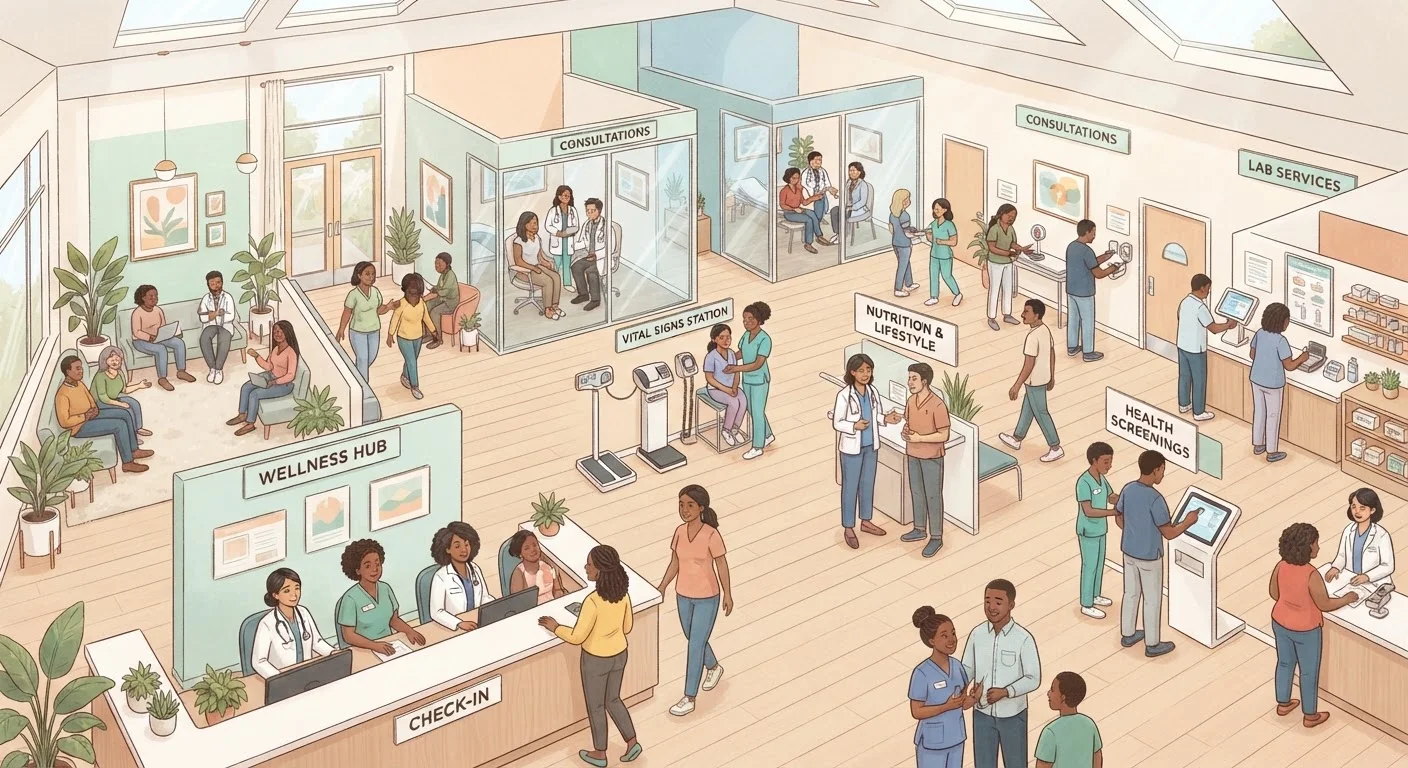
What Preventive Care Actually Means
Preventive care refers to health services aimed at stopping illness before it starts - or catching it early enough that treatment is far simpler and more effective. It stands in contrast to diagnostic care, which investigates symptoms already present. The distinction matters practically: a colonoscopy ordered because of no symptoms and average risk is preventive, while the same procedure ordered because a patient reported rectal bleeding is diagnostic, and coverage rules often differ accordingly.
The U.S. preventive care framework draws heavily on guidance from the U.S. Preventive Services Task Force (USPSTF), the Advisory Committee on Immunization Practices (ACIP), and professional bodies such as the American Cancer Society and the American Heart Association. These organizations weigh clinical evidence and issue recommendations that inform what insurers are required to cover and what clinicians advise. For a plain-language primer on what counts as preventive and why the distinction matters, see Preventive Care 101.
Importantly, preventive care is not a single visit - it is a continuum of services woven across a lifetime. An infant's immunization schedule, a teenager's depression screening, a 45-year-old's first colorectal cancer test, and a 65-year-old's bone density scan are all part of the same ecosystem. Understanding this landscape helps you ask the right questions at every stage of life.
Screenings and Immunizations: The Core of Prevention
Health screenings are structured tests applied to people without obvious symptoms. Their goal is early detection, when intervention tends to be most effective. Commonly recommended screenings for American adults include:
- Blood pressure measurement - recommended for all adults; hypertension is often asymptomatic until damage is done.
- Cholesterol and lipid panels - frequency depends on baseline values and cardiovascular risk.
- Colorectal cancer screening - USPSTF recommends starting at age 45 for average-risk adults, using colonoscopy or stool-based tests.
- Cervical cancer screening (Pap smear / HPV test) - for people with a cervix, typically starting at age 21.
- Breast cancer screening (mammography) - guidelines vary by organization, but most recommend beginning at 40 or 50 depending on risk profile.
- Diabetes screening - recommended for overweight or obese adults aged 35-70.
- Lung cancer screening (low-dose CT) - for adults aged 50-80 with a significant smoking history.
For a full reference organized by age and risk factor, the preventive screenings guide is a useful companion resource.
Immunizations are the other pillar. The adult immunization schedule - updated annually by the CDC and ACIP - includes influenza (yearly), Tdap (tetanus, diphtheria, pertussis), shingles vaccine (Shingrix, starting at 50), pneumococcal vaccines for older adults, and COVID-19 vaccines per current guidance. Adults may also need catch-up doses for vaccines missed in childhood.
When scheduling your annual wellness visit, ask the scheduler to note it as a 'preventive' or 'wellness' appointment - not a regular office visit. This single step helps ensure the visit is billed correctly under ACA preventive coverage rules.
Incorrect billing codes are one of the most common reasons patients receive unexpected charges for services they believed were covered at no cost.
Bring a written list of your first-degree relatives' health conditions to every preventive care visit. Family history of heart disease, diabetes, or certain cancers can shift screening timelines earlier than standard population guidelines suggest.
Risk stratification based on family history is a key factor in personalizing screening recommendations, and providers often don't have time to elicit this detail without prompting.
Dental, Vision, and Mental Health Prevention
Three domains frequently overlooked in mainstream preventive care conversations are oral health, vision, and mental health - yet all three carry meaningful evidence for early intervention.
Oral Health
The American Dental Association recommends routine dental checkups and cleanings, typically twice a year for most adults, though frequency should be tailored to individual risk. Dental prevention is not cosmetic: periodontal disease has been associated in research with cardiovascular outcomes, and undetected oral cancers caught early carry much better prognoses. Notably, standard medical insurance plans frequently exclude dental coverage, making it an area where many adults have gaps in their preventive routine.
Vision
Comprehensive dilated eye exams can detect glaucoma, diabetic retinopathy, macular degeneration, and other conditions before vision loss occurs. The American Academy of Ophthalmology recommends a baseline comprehensive exam at 40, with frequency thereafter depending on findings and risk. Adults with diabetes should receive annual dilated exams regardless of age.
Mental Health
The USPSTF recommends screening all adults for depression in primary care settings where adequate follow-up care is available. Anxiety screening for adults under 65 was added to recommendations in 2023. These screenings typically take the form of validated questionnaires (such as the PHQ-9 for depression) administered during annual wellness visits. Early identification allows for timely referral and support before conditions become more severe.
This broader view of health - including physical health from head to toe - underscores that prevention is never siloed to one body system.
Don't Skip Mental Health Screens
Mental health screenings are often overlooked because patients assume they need to bring up the topic themselves. In reality, validated depression and anxiety screening tools are intended to be offered proactively at wellness visits. If your provider hasn't mentioned them, it's entirely appropriate to ask. Undetected and untreated depression or anxiety can significantly affect physical health outcomes over time.
How Coverage and Access Shape Preventive Care
Under the Affordable Care Act (ACA), most private health insurance plans and Medicaid expansion programs are required to cover USPSTF A- and B-rated preventive services without cost-sharing - meaning no copay or deductible when services are billed as preventive. This coverage provision significantly expanded access for tens of millions of Americans. However, coverage rules are nuanced: if a test is ordered because of a symptom or prior finding, it may be reclassified as diagnostic, changing the patient's cost exposure.
Coverage Rules Can Be Nuanced
Even services that are technically covered as preventive can become subject to cost-sharing if a provider codes them as diagnostic. For example, if a polyp is discovered during a preventive colonoscopy, some plans may reclassify the procedure. Ask your insurer and provider in advance how services will be billed, particularly for combined preventive-and-diagnostic visits.
Access gaps persist across income levels, geography, and insurance status. Rural Americans may face provider shortages; uninsured individuals have fewer options for free preventive services, though federally qualified health centers (FQHCs) provide sliding-scale care. Understanding what your plan covers - and asking providers to code services correctly as preventive - is practical knowledge that affects your out-of-pocket costs.
Workplace wellness programs, community health fairs, and public health department clinics also extend preventive services to populations who may not have a regular primary care provider. Free blood pressure screenings at pharmacies and community flu shot clinics are common examples.
Putting It All Together: Your Preventive Health Strategy
The most effective approach to preventive care is a personalized, proactive one - not a checklist you complete once and forget. Your age, biological sex, family medical history, lifestyle factors (smoking, physical activity, diet), and existing health conditions all shape which services are most appropriate and how frequently you should pursue them. This is why a relationship with a primary care provider remains the cornerstone of good preventive health: they can synthesize your individual risk profile and coordinate referrals to specialists for vision, dental, or mental health concerns.
Practical steps to activate your preventive health strategy include:
- Schedule an annual wellness visit - distinct from a sick visit, this is specifically designed to review your preventive care status.
- Review your immunization history - ask your provider or pharmacist to identify any gaps in your adult vaccine schedule.
- Know your numbers - blood pressure, cholesterol, blood glucose, and BMI are baseline metrics that inform risk stratification.
- Address the gaps - if your plan doesn't cover dental or vision, explore standalone coverage options and community resources.
- Map it across the year - the personal preventive health calendar guide offers a structured approach for keeping track of what's due and when.
If you're starting from scratch, Preventive Care From the Ground Up is a straightforward starting point. And once you have the basics in place, building a routine around your real life can help you sustain it without major lifestyle disruption.
This article is for general informational and educational purposes only and does not constitute medical advice. Please consult a qualified healthcare professional for guidance specific to your health history and circumstances.
The content on this site is provided for informational purposes only and should not be considered a substitute for professional advice. While we strive to provide accurate and up-to-date information, we make no guarantees regarding its completeness or accuracy. Always consult a qualified professional for advice specific to your circumstances before making any decisions.