

Our Verdict
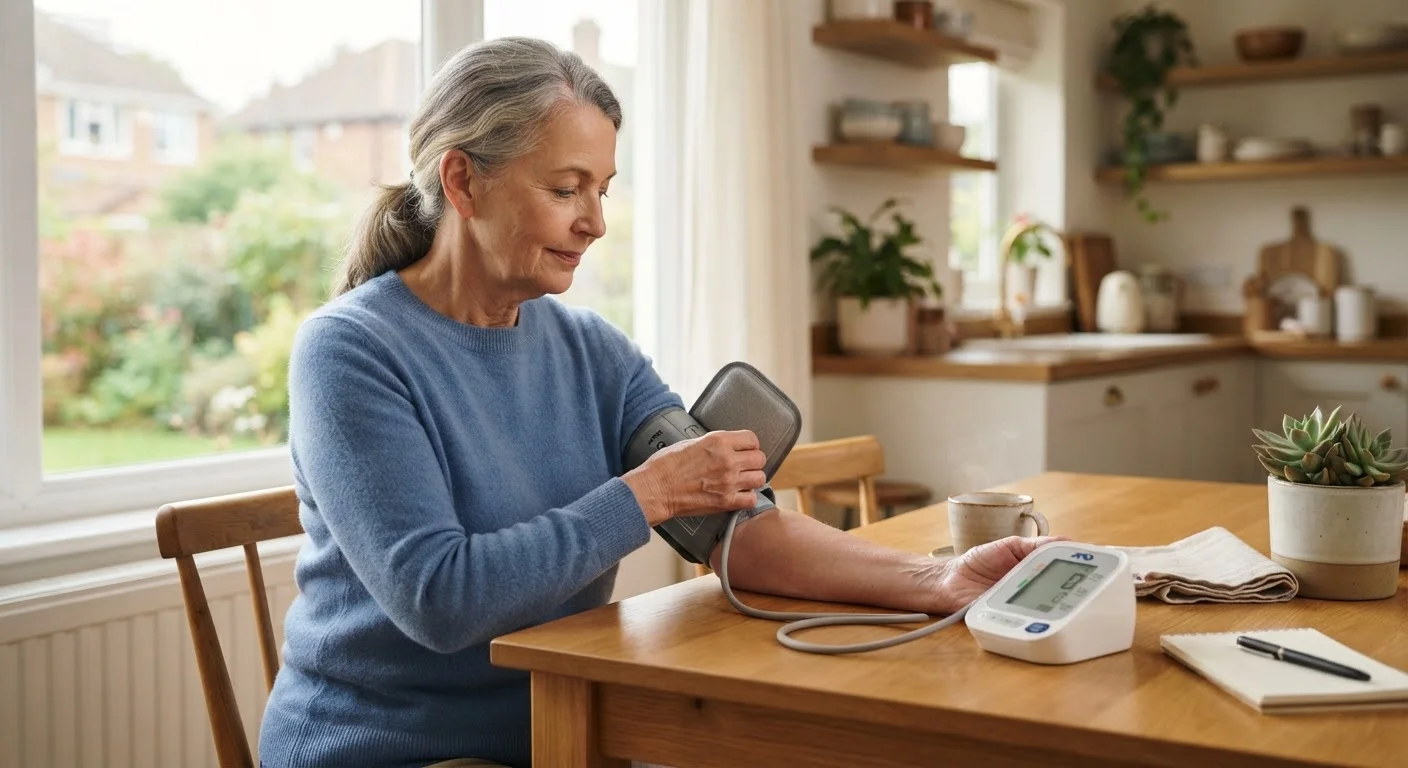
Home blood pressure monitoring offers real value for people who want a fuller picture of their cardiovascular health between appointments. When done correctly and consistently, it can surface patterns that a single office reading simply cannot capture. However, its usefulness depends entirely on proper technique, a clinically validated device, and a willingness to share results with a healthcare provider rather than interpret them independently.
This approach is particularly relevant for adults who have been flagged for elevated readings, those managing known hypertension under medical supervision, or anyone looking to take a more proactive role in their preventive health routine.
Why Blood Pressure Behaves Differently Outside the Clinic
A single blood pressure reading taken in a doctor's office captures exactly that - one moment in time, in one specific environment. Research has documented a well-recognized phenomenon called white coat hypertension, where readings are measurably higher in clinical settings due to the stress or anxiety associated with medical visits. Conversely, some individuals show the opposite pattern - called masked hypertension - where readings appear normal at the office but run elevated throughout daily life.
Neither pattern is reliably detectable from a single office visit. The American Heart Association and other major cardiovascular health bodies have noted that out-of-office measurements can provide clinically meaningful information, particularly when combined with ongoing provider oversight. Understanding how your numbers behave during ordinary daily routines - at rest, in the morning, or in the evening - gives a more complete picture than any isolated snapshot.
This context is what makes home monitoring worth understanding, even for people who feel generally well. It fits naturally into a broader approach to staying proactive about health - something explored further in our guide to building a personal preventive health calendar.
The Advantages of Monitoring at Home
When approached thoughtfully, home blood pressure monitoring offers several meaningful benefits for health-aware adults.
Reveals trends invisible in a single office reading
Repeated measurements over days and weeks can surface consistent patterns - such as elevated morning readings - that a single clinic visit would miss entirely.
Helps identify white coat or masked hypertension
Home data can help a provider determine whether office readings reflect a genuine concern or a stress response, avoiding both unnecessary treatment and missed diagnoses.
Supports more informed clinical conversations
Arriving at an appointment with a log of readings gives your provider richer context, potentially leading to more personalized guidance and better-calibrated decisions.
Encourages ongoing health awareness
Regular monitoring can reinforce attention to lifestyle factors - such as sleep, salt intake, and stress - that influence blood pressure over time.
Convenient and low-cost over time
Once a device is purchased, ongoing monitoring carries no additional cost and can be done without scheduling or travel.
~1 in 5
Adults estimated to have white coat hypertension
Research cited by the American Heart Association suggests a meaningful proportion of people show elevated readings only in clinical environments.
~75 million
U.S. adults with high blood pressure
The CDC estimates that nearly half of American adults have hypertension, yet many are unaware or inadequately managed.
Beyond capturing trend data, home monitoring can also encourage engagement with lifestyle factors that influence cardiovascular health - including sleep quality, stress, and hydration - areas covered in depth in our article on underrated factors that affect physical health.
The Limitations Worth Taking Seriously
Home monitoring is not without drawbacks, and understanding them is just as important as appreciating the benefits.
User error can produce misleading readings
Improper cuff placement, an incorrectly sized cuff, or measuring immediately after activity can all skew results significantly - in either direction.
Device accuracy varies widely
Not all consumer monitors are clinically validated; an uncertified device may provide readings that appear precise but are systematically inaccurate.
Risk of misinterpretation without clinical context
Isolated high readings can cause unnecessary anxiety, while seemingly normal readings might provide false reassurance - neither is helpful without a provider's interpretation.
Can encourage over-monitoring and health anxiety
Some individuals develop a habit of checking too frequently, which can itself elevate readings through anticipatory stress and heighten worry disproportionate to actual risk.
Does not replace regular professional evaluation
Home monitors measure one metric; a full cardiovascular risk assessment involves clinical judgment, additional tests, and medical history review that no home device can replicate.
When to Seek Immediate Care
Home monitoring is not appropriate for crisis situations. If you experience a reading that appears severely elevated alongside symptoms such as severe headache, chest pain, shortness of breath, or visual changes, seek emergency medical care immediately rather than waiting to consult a log or call a clinic. These symptoms warrant urgent evaluation by a qualified professional.
Weaving monitoring into daily life is most sustainable when it fits a realistic routine. The principles in building a preventive health routine around your real life offer practical guidance on doing exactly that without adding unnecessary complexity.
How to Get the Most Useful Readings
The clinical value of home readings depends almost entirely on consistent, correct technique. Major health organizations generally recommend the following foundational practices - though you should always confirm the right approach with your own provider:
- Choose a validated upper-arm device. Wrist and finger monitors tend to be less accurate; look for a device that has been independently validated for clinical accuracy.
- Sit quietly for several minutes before measuring. Avoid caffeine, exercise, and smoking for at least 30 minutes beforehand.
- Measure at consistent times. Morning and evening readings, taken before meals and medication where applicable, tend to be most informative.
- Take multiple readings per session and record all of them, not just a favorable one.
- Share your log with your provider. Data is most useful when a qualified professional helps you interpret patterns in the context of your overall health.
Lifestyle habits also play a direct role in blood pressure trends. Lifestyle habits that support preventive health goals outlines evidence-informed approaches worth discussing with your care team.
This article is for general informational and educational purposes only and does not constitute medical advice. Always consult a qualified healthcare provider for guidance specific to your health situation, symptoms, or any decisions about monitoring or treatment.
The content on this site is provided for informational purposes only and should not be considered a substitute for professional advice. While we strive to provide accurate and up-to-date information, we make no guarantees regarding its completeness or accuracy. Always consult a qualified professional for advice specific to your circumstances before making any decisions.