

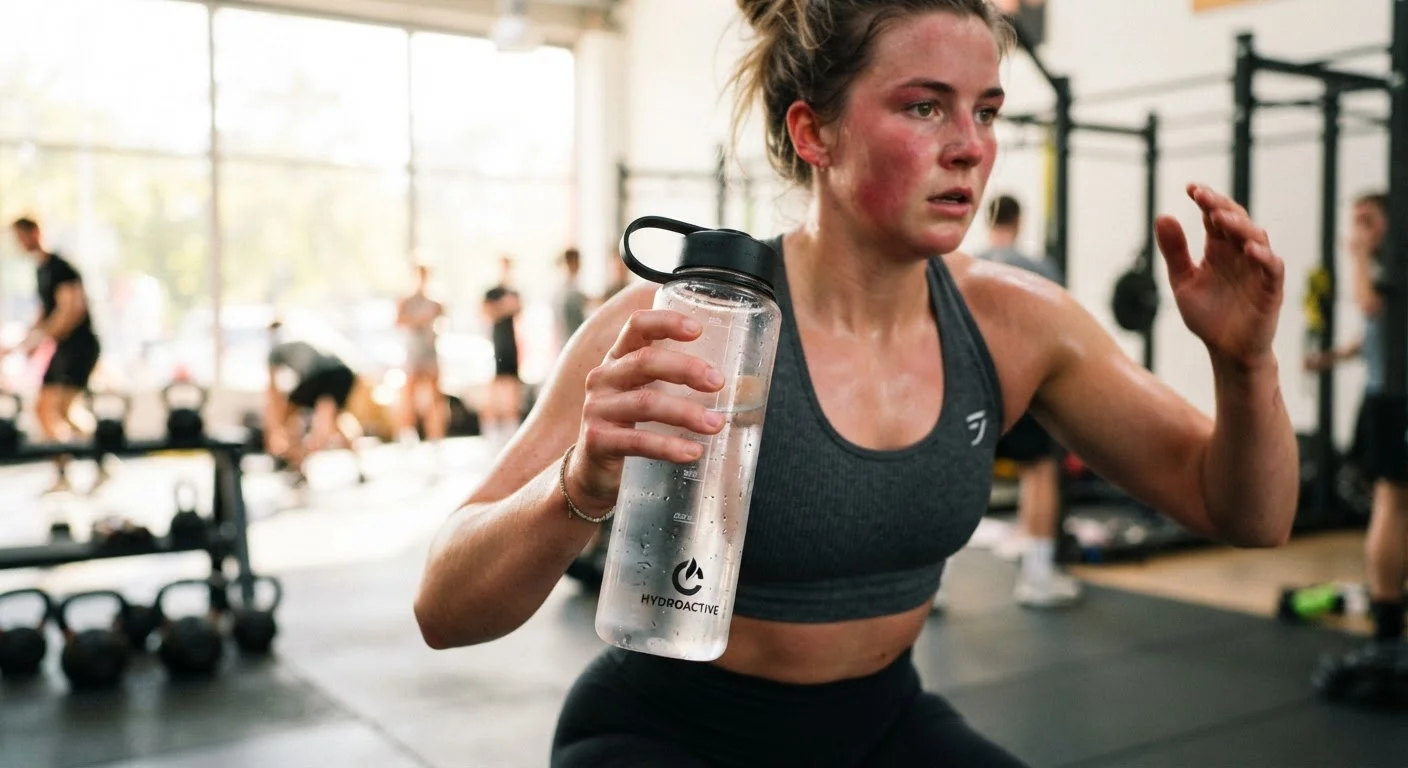
Why Hydration Matters During Exercise
Water is involved in nearly every physiological process your body relies on during physical activity - from regulating core temperature through sweat to transporting oxygen and nutrients to working muscles. Even mild dehydration, generally defined as losing 1-2% of body weight in fluids, can measurably impair endurance, strength, and cognitive function during exercise.
When you exercise, your muscles generate heat. Your body dissipates that heat primarily through sweat, which means fluid losses accelerate considerably during physical activity compared to rest. The rate of sweat loss varies widely depending on exercise intensity, ambient temperature, humidity, and individual physiology - but even moderate activity in warm conditions can produce significant fluid deficits within an hour.
This is why hydration isn't simply about drinking when you feel thirsty. Thirst is a somewhat lagging signal; by the time you notice it during vigorous exercise, you may already have a meaningful fluid deficit. Building a proactive hydration habit - one that starts before you begin exercising - supports consistent performance and reduces the risk of heat-related discomfort. For a broader look at how physical demands shift across life stages, see Physical Activity Across the Lifespan.
General Hydration Guidance: Before, During, and After
While individual needs vary, established sports medicine guidance offers a practical framework for timing fluid intake around exercise.
Before Exercise
Starting a workout well-hydrated gives your body the best foundation. A general approach is to drink fluids steadily throughout the day and consume an additional 1-2 cups of water in the hour or two before physical activity. Urine color is a practical self-check: pale yellow typically indicates adequate hydration; dark yellow suggests you should drink more before beginning.
During Exercise
For most activities lasting under an hour at moderate intensity, water is sufficient. For prolonged or high-intensity sessions - particularly those lasting more than 60-90 minutes - fluids containing electrolytes (primarily sodium and potassium) may help replace what is lost through sweat and support continued muscle function. The American College of Sports Medicine generally recommends drinking regularly during exercise rather than waiting until thirst develops, though individual sweat rates vary widely.
After Exercise
Rehydration after exercise helps restore fluid and electrolyte balance, which supports muscle recovery. A commonly cited approach is to consume approximately 1.5 times the fluid lost during exercise over the hours following activity, though practical estimation (monitoring urine color, body weight changes) is more accessible for everyday exercisers. Hydration is one of several underappreciated factors covered in Underrated Factors That Affect Physical Health.
Electrolytes, Sports Drinks, and When They're Warranted
Electrolytes are minerals that carry an electrical charge and play essential roles in fluid balance, nerve signaling, and muscle contraction. Sodium, potassium, magnesium, and chloride are the most relevant during exercise. They are lost in sweat, and significant deficits - especially in sodium - can impair performance or, in extreme cases, contribute to a condition called hyponatremia (dangerously low blood sodium), which can occur when someone replaces sweat losses with large amounts of plain water without replacing sodium.
For the average person doing routine workouts of moderate duration and intensity, a balanced diet and plain water typically meet hydration needs. Electrolyte-containing beverages or foods become more relevant in specific circumstances: prolonged endurance events (marathon running, cycling for several hours), exercise in high heat and humidity, or situations involving unusually high sweat rates.
Many commercial sports drinks contain added sugars and other ingredients that are unnecessary for shorter workouts and may add unneeded calories. Whole food sources of electrolytes - such as fruits, vegetables, and dairy - serve as effective post-exercise replenishment alongside water for most people. Nutrition around workouts is explored in more depth in Fueling Exercise.
For guidance tailored to your specific health status, exercise intensity, or medical conditions, consult a qualified healthcare provider or registered dietitian. This article provides general health information and is not a substitute for personalized medical advice.
This article is for informational purposes only and is not medical advice. Always consult a qualified healthcare professional before making changes to your exercise or nutrition routine, especially if you have an existing health condition.
The content on this site is provided for informational purposes only and should not be considered a substitute for professional advice. While we strive to provide accurate and up-to-date information, we make no guarantees regarding its completeness or accuracy. Always consult a qualified professional for advice specific to your circumstances before making any decisions.