

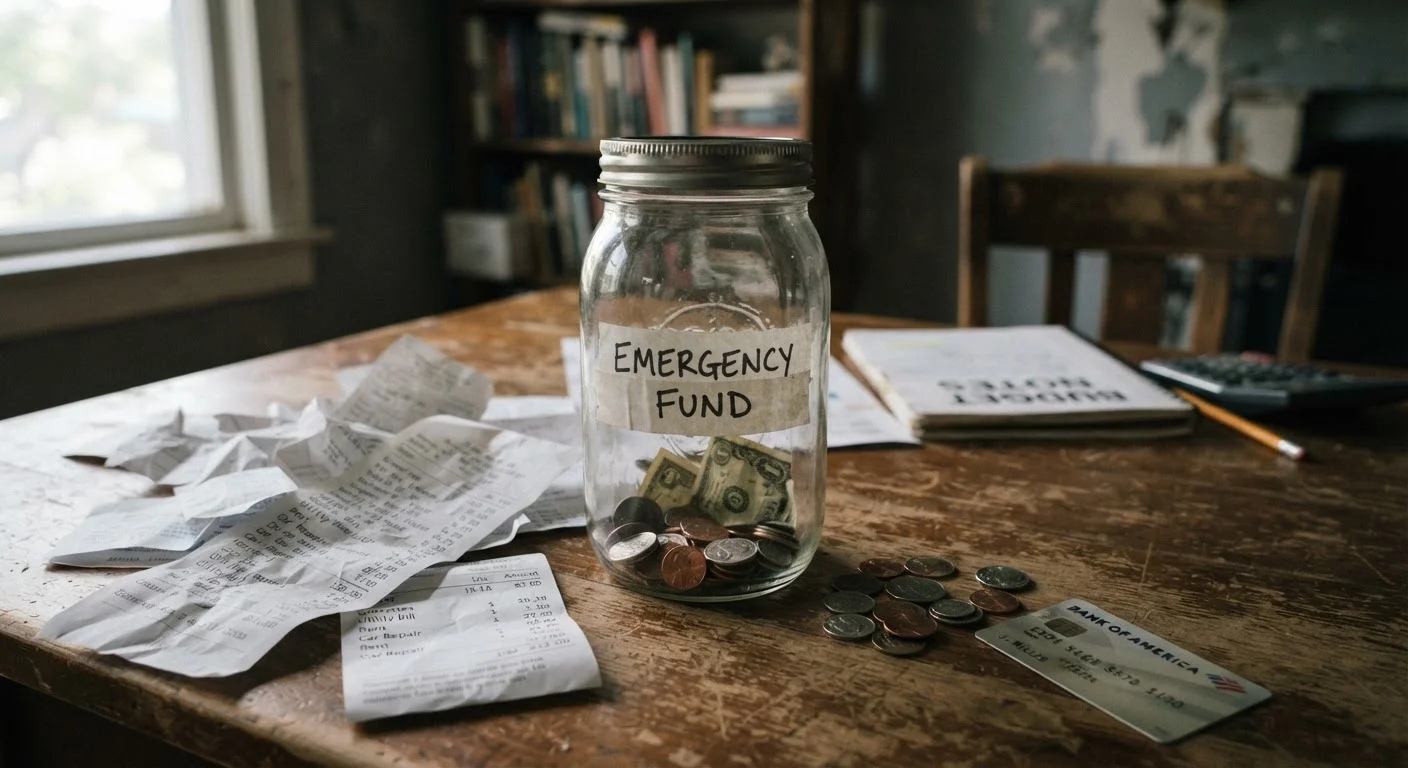
The Hidden Threat to Your Financial Safety Net
An emergency fund is one of the most powerful tools in personal finance - a financial buffer that stands between you and debt when life delivers an unexpected blow. Yet many households that manage to build one find it quietly disappearing, not because of a genuine crisis, but because of a series of smaller, avoidable decisions. Understanding why this happens is the first step toward protecting your savings when it matters most.
The problem rarely starts with bad intentions. It starts with rationalization - convincing yourself that a particular expense qualifies as an emergency when it actually doesn't. Over time, those rationalizations add up, leaving you exposed precisely when a real emergency strikes. See our guide to identifying real financial emergencies for a clear framework on what genuinely warrants tapping these funds.
Treating non-emergencies as emergencies. Discretionary expenses - a vacation, a new TV, a wardrobe refresh - get funded from emergency savings when no other money is available.
Why it happens: When savings feel accessible and the expense feels urgent in the moment, the psychological barrier to dipping in is low. People underestimate how quickly a pattern forms.
Using emergency savings to cover predictable, recurring costs like annual insurance premiums, car registration, or seasonal utility spikes.
Why it happens: These costs are infrequent enough to slip out of monthly budget awareness, so they feel surprising when they arrive - even though they are entirely foreseeable.
Raiding the emergency fund to avoid taking on credit card debt, even for discretionary purchases.
Why it happens: Avoiding interest charges feels financially responsible, but this logic conflates avoiding debt with maintaining an emergency buffer - two separate and equally important goals.
Failing to replenish the fund after a legitimate withdrawal. The money gets spent correctly but is never replaced.
Why it happens: After the relief of surviving a real emergency, rebuilding can feel less urgent. Normal spending habits return, and the depleted fund becomes the new baseline.
Tapping emergency savings to invest in a perceived financial opportunity - stocks, crypto, or a business idea - because it "feels too good to pass up."
Why it happens: Fear of missing out on gains can override financial discipline, especially during periods of market excitement. The fund feels like idle money sitting on the sideline.
Protecting What You've Built
Avoiding these mistakes requires both awareness and structure. One of the most practical safeguards is keeping your emergency fund in a dedicated account that is separate from your everyday checking - making it slightly harder to access impulsively. Where you keep your emergency fund matters more than most people realize, since easy access can become a liability rather than a feature.
~57%
Americans unable to cover a $1,000 emergency
According to Bankrate's annual emergency savings survey, a majority of U.S. adults would struggle to pay for an unexpected $1,000 expense from savings alone.
3-6 months
Recommended emergency fund coverage
Most personal finance guidance suggests maintaining three to six months of essential living expenses in a liquid, accessible account as a baseline emergency buffer.
Equally important is building separate savings buckets for predictable, planned expenses. Vacations, car maintenance, holiday gifts, and home upgrades are all foreseeable - they should have their own dedicated funds so your emergency reserve stays intact. If your emergency fund has already taken a hit, automate small, regular transfers to replenish it systematically. Even modest contributions rebuild the habit and the balance. For a closer look at the recurring patterns that silently erode safety nets, explore habits that quietly drain savings accounts over time.
Your Emergency Fund Has One Job
An emergency fund exists to cover genuine, unavoidable financial crises - sudden job loss, a medical event, or a critical home or vehicle failure that cannot wait. Using it for anything else leaves you exposed to the very situations it was designed to handle. If you are unsure whether a specific expense qualifies, review what actually qualifies as a financial emergency before making a withdrawal.
This article is for general informational and educational purposes only and does not constitute personalized financial advice. Consult a qualified, licensed financial professional before making decisions specific to your circumstances.
The content on this site is provided for informational purposes only and should not be considered a substitute for professional advice. While we strive to provide accurate and up-to-date information, we make no guarantees regarding its completeness or accuracy. Always consult a qualified professional for advice specific to your circumstances before making any decisions.