

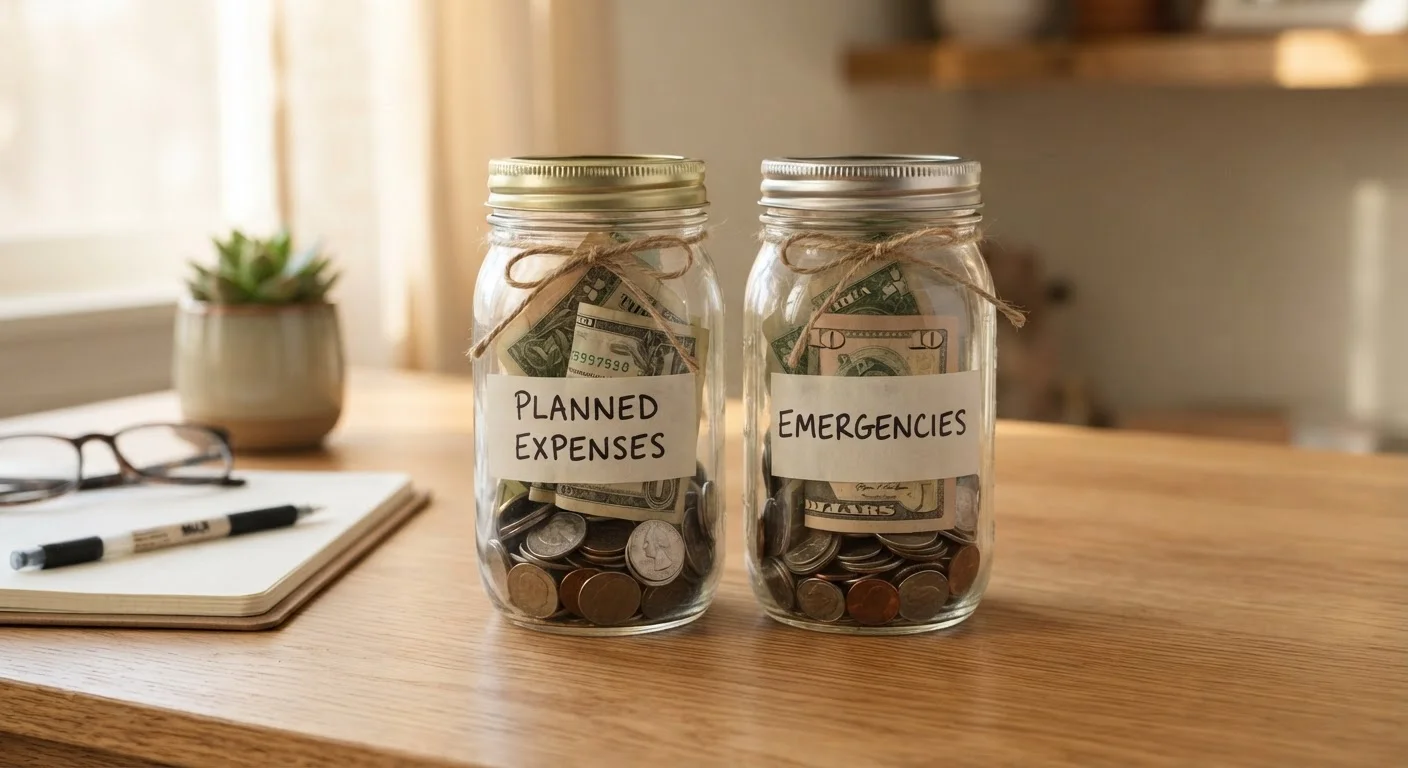
Two Names, Two Very Different Jobs
The terms "sinking fund" and "emergency fund" both describe dedicated pools of savings, which is exactly why they get confused. But treating them as interchangeable is one of the most common budgeting mistakes households make - and one of the most costly.
An emergency fund exists for the genuinely unexpected: a sudden job loss, a major unplanned medical expense, or a critical home system failing without warning. It is reactive money, sitting idle until life demands it. For a deeper look at what qualifies as a true emergency, see what an emergency fund actually is and what it isn't.
A sinking fund, by contrast, is proactive. It accumulates money in advance for expenses you already know are coming - or can reasonably anticipate - so those costs don't ambush your monthly budget when they arrive. The full mechanics of setting one up are covered in our sinking funds explainer.
Understanding the distinction isn't just semantic. It changes how you structure your savings, how much you set aside, and critically, when you're actually allowed to spend the money.
How Each Fund Works in Practice
Think of your emergency fund as a financial fire extinguisher. You maintain it consistently, hope you never need it, and only reach for it when something is genuinely on fire. The moment it gets used for non-emergencies - say, annual car registration fees or a holiday shopping season - it can't do its real job when a crisis strikes.
Sinking funds work more like a layaway plan with yourself. You identify a known future cost, estimate its total, divide that by the months you have until you need it, and contribute that amount monthly. When the expense arrives, the money is already there. No scrambling, no debt, no disruption to your emergency reserve.
~57%
Americans unable to cover a $1,000 emergency from savings
According to Bankrate's annual emergency savings report, a majority of U.S. adults would struggle to pay an unexpected $1,000 expense without borrowing or selling something.
3-6 months
Recommended emergency fund coverage in living expenses
This widely cited guideline comes from mainstream personal finance education, including resources from the Consumer Financial Protection Bureau.
$50-$200/mo
Typical monthly sinking fund contribution range per category
The right amount depends entirely on the anticipated expense and your timeline; even small consistent contributions accumulate meaningfully over time.
For example, if you know your car typically needs about $600 in annual maintenance, setting aside $50 a month into a dedicated car-maintenance sinking fund means you'll never need to raid your emergency savings - or reach for a credit card - when those costs come due.
The emotional and practical benefits compound quickly. Sinking funds turn previously stressful, lumpy expenses into smooth, predictable line items in your budget.
Why You Likely Need Both - at the Same Time
A frequent mistake is treating these two tools as sequential: "I'll build my emergency fund first, then worry about sinking funds." In practice, waiting to start sinking funds means known expenses will keep hitting your budget as surprises in the interim - often forcing you to tap your emergency fund anyway.
A homeowner sets aside $100 per month in a dedicated home-repair sinking fund. When the water heater fails after five years, they have $6,000 available and pay for the replacement in full.
A renter with no sinking funds faces a $400 dental bill and pulls the money from their emergency fund because it's the only savings they have.
A freelancer maintains a six-month emergency fund alongside four separate sinking funds: one for taxes, one for equipment, one for health costs, and one for slow-season income gaps.
Running both simultaneously - even with modest contributions to each - is more effective. Your emergency fund grows as a backstop for true crises, while your sinking funds absorb the routine, predictable costs that otherwise erode your financial stability month after month.
Building these habits is foundational to any solid budget. Our budgeting basics hub covers the broader strategies that complement this approach.
This article is for general informational purposes only and does not constitute personalized financial advice. Consult a qualified financial professional for guidance tailored to your individual situation.
Frequently Asked Questions
It's possible but not recommended. Keeping them in separate accounts makes it easier to track balances and reduces the temptation to dip into emergency savings for planned costs. Many people use multiple sub-accounts or separate high-yield savings accounts for each purpose.
The widely cited guideline is three to six months of essential living expenses. Those with variable income, fewer job prospects, or dependents may want to lean toward the higher end of that range. This is general guidance - your actual target depends on your personal situation.
Car maintenance, home repairs, annual insurance premiums, holiday gifts, travel, and school supplies are common examples. Any expense you can anticipate - even roughly - is a candidate for a sinking fund.
Most financial educators suggest establishing a modest emergency fund baseline before aggressively funding other savings goals. Even a small buffer - often cited as around one month of expenses - provides meaningful protection while you work toward larger targets. Consulting a financial adviser can help you prioritize based on your circumstances.
Emergency funds should be liquid and accessible quickly, so they're typically held in savings accounts rather than investment accounts. See our <a href="/finance/saving-emergency-funds/where-to-keep-your-emergency-fund">guide on where to keep your emergency fund</a> for a detailed look at account types suited for this purpose.
A sinking fund is a strategy, not an account type - it simply means setting aside money regularly toward a specific future expense. You can hold a sinking fund inside an ordinary savings account, a high-yield savings account, or a separate sub-account. The label matters less than the intentional, dedicated purpose.
The content on this site is provided for informational purposes only and should not be considered a substitute for professional advice. While we strive to provide accurate and up-to-date information, we make no guarantees regarding its completeness or accuracy. Always consult a qualified professional for advice specific to your circumstances before making any decisions.